

i News
Salary sacrifice for rooftop solar panels in new tax-break scheme (opens in a new tab)
· 2 min read
Read article
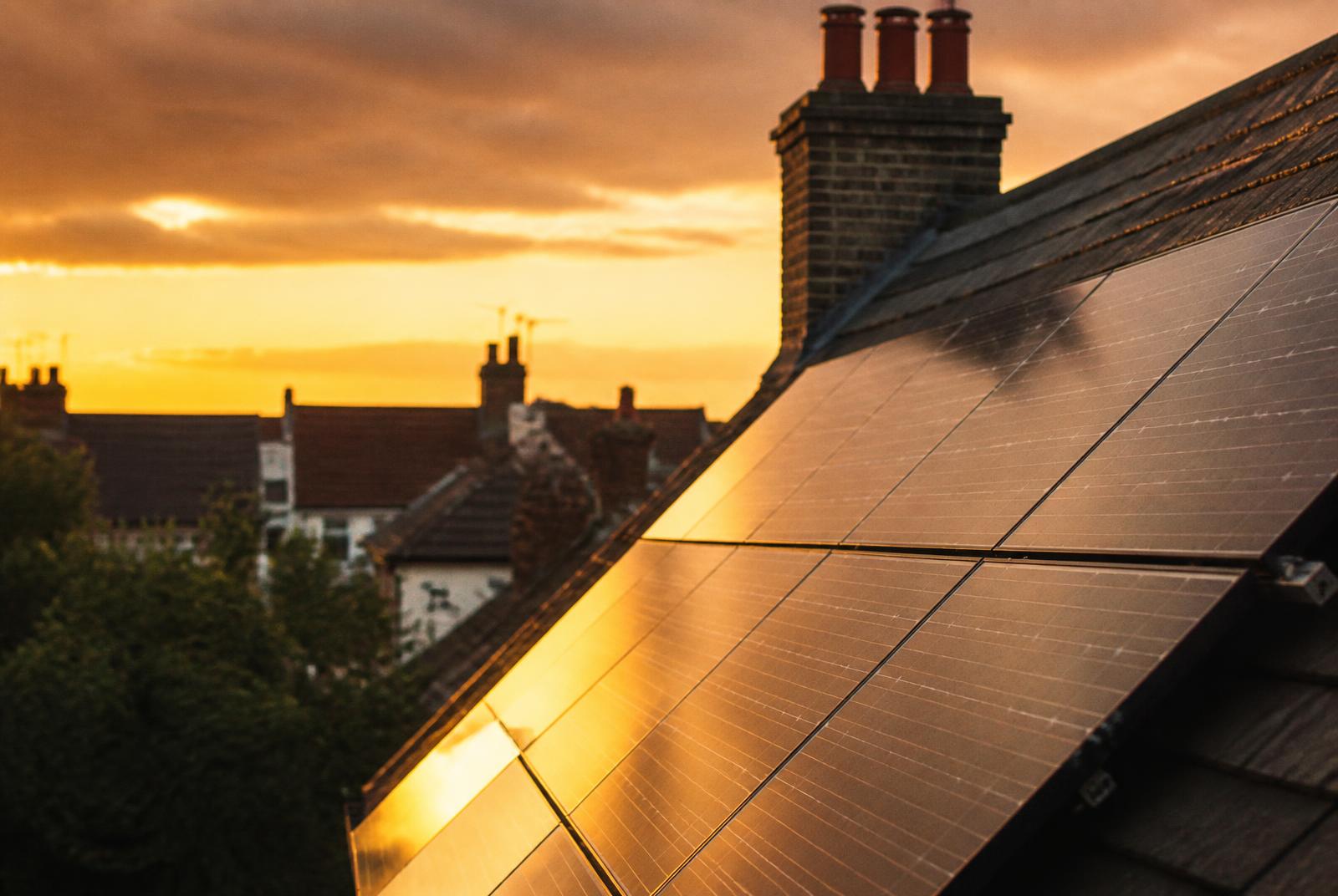
Rooftop solar on the same terms, so households generate their own power without finding the upfront cost.
The pace towards achieving Net Zero is disappointingly slow, largely due to the unaffordability of clean technologies such as solar panels for many in the UK, particularly during periods of economic uncertainty. Enter the solution: salary sacrifice.
Introducing The Solar Scheme.
Salary sacrifice eliminates the high upfront costs of solar panels by spreading payments over equal monthly instalments, allowing working families to pay from their gross salary. This makes solar panels significantly more affordable.
This isn't based on speculation - the success of salary sacrifice schemes for electric cars is well documented. Those with access to an EV salary sacrifice scheme are nearly four times more likely to switch to an electric vehicle compared to those without access. By applying this model to the solar industry, we have the potential to accelerate progress dramatically.
The Net Zero Benefits team are working closely with officials at HM Treasury to discuss the adoption of this proposal. We're calling on the government to leverage the upcoming Warm Homes Plan to extend salary sacrifice beyond electric vehicles to include clean technologies on the Energy Saving Materials list.
This simple measure could spark a transformative increase in demand, with far-reaching impacts on net zero targets, job creation, and the growth of the renewables sector.
Join waitlistNet Zero Benefits led a campaign to send an open letter, co-signed by the REA and over 30 industry leaders, urging Ed Miliband, Rachel Reeves, and Miatta Fahnbulleh to extend the upcoming Warm Homes Plan.
This policy expansion is seen as critical for cost-effective decarbonisation in the UK, aligning with the Clean Power 2030 target.
Download the open letter (opens in a new tab)i News
· 2 min read
Read articleThe Telegraph
· 2 min read
Read articleUtility Week
· 2 min read
Read articleAnalysis tagged to this scheme, written by our leadership team.

Home solar energy generation
Record-breaking solar installation figures and shifting export tariffs are reshaping how UK households manage their energy costs and generation.
UK energy price regulation
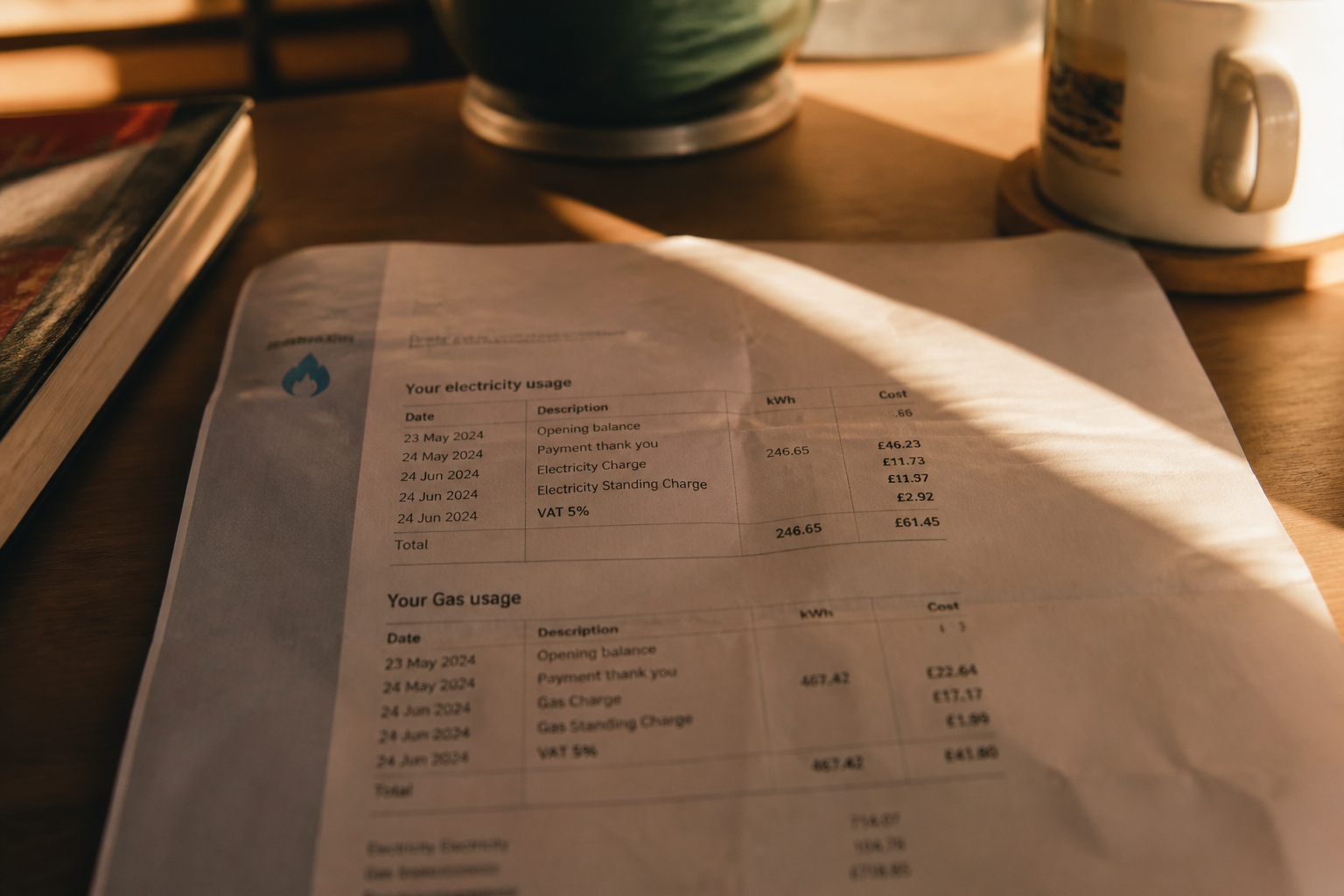
An analysis of the October 2026 energy price cap, how it functions for domestic households, and the broader context of UK energy market volatility.

UK electricity grid infrastructure
Analysing the UK's changing electricity generation mix and what it means for those adopting renewable energy technology at home.

green technology installation capacity
Understand how current installer capacity affects project timelines and what payroll teams should expect when supporting green technology adoption.

Employee benefits strategy
Examine the tension between managing rising employee benefit costs and maintaining competitive talent strategies in the current economic landscape.
Home solar energy generation
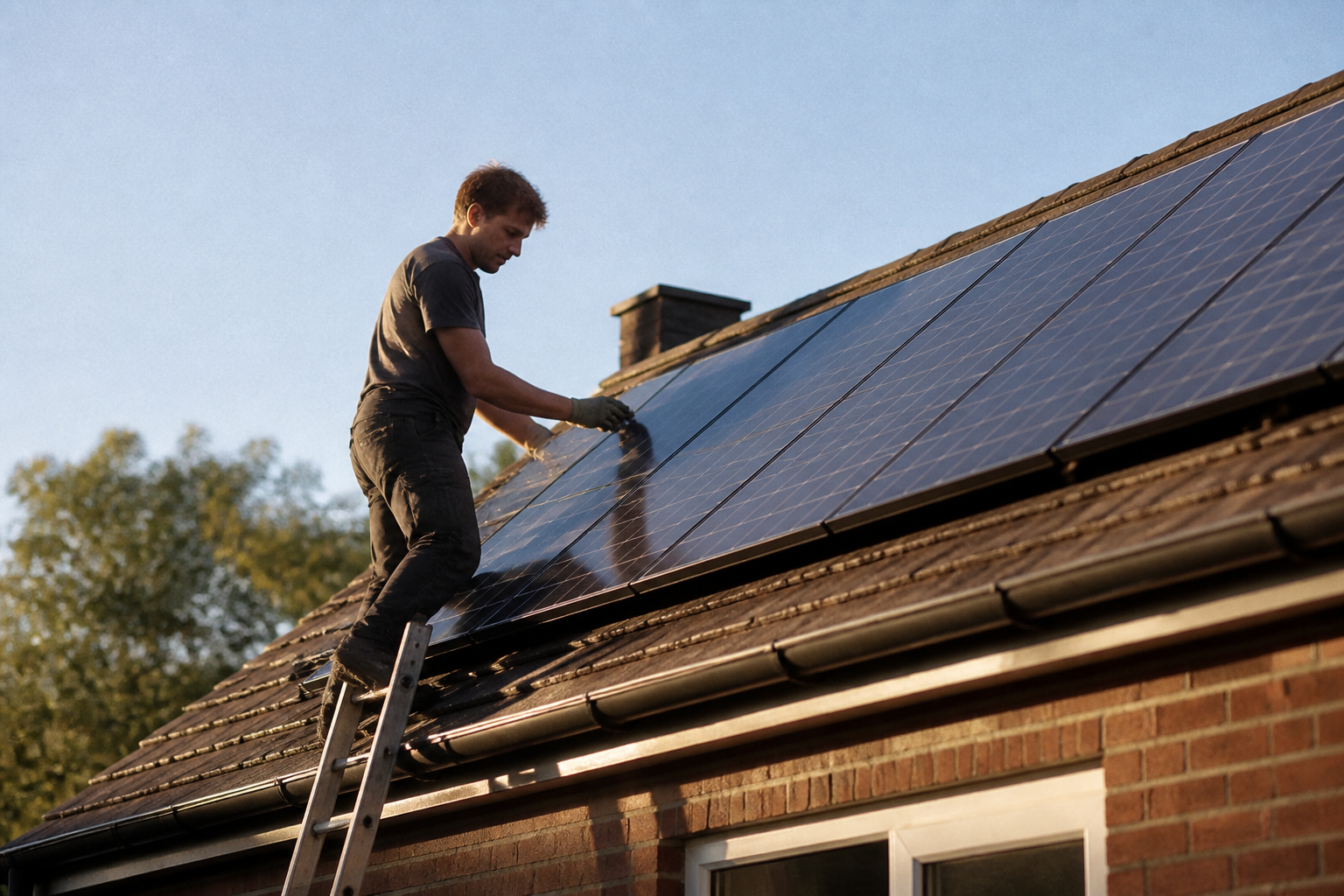
Practical guidance on home solar generation, current export tariff dynamics, and navigating the decision process for your household energy transition.

Domestic energy bill management
An analysis of the fixed and variable costs making up UK energy bills and what the recent regulatory shifts mean for household budgeting.

UK climate fiscal policy
An analysis of the latest UK government net zero spending progress and the policy framework shaping infrastructure investment for finance directors.
domestic installer market capacity
Practical steps to understand installer availability and scheduling for home energy upgrades in the current UK market.
What employers and employees ask before they take this scheme.
Yes. The Solar Scheme lets employees pay for a home solar installation out of gross pay through payroll, rather than paying up front or taking finance.
A well sized system on a suitable roof cuts the amount of electricity a household buys from the grid, and exported power can earn money through the Smart Export Guarantee. Payback depends on roof orientation, shading, system size and how much electricity the household uses during the day.
They pair well. Daytime generation can charge a car at home, and a battery lets a household store surplus generation for evening use. Many households add solar after getting an electric car for exactly this reason.
Tell us about your workforce and we will show you what the scheme looks like in practice.