
UK energy price regulation
Understanding the October 2026 energy price cap
An analysis of the October 2026 energy price cap, how it functions for domestic households, and the broader context of UK energy market volatility.
 Mas MortonChief of Staff
5 min readUpdated
What matters here
- Ofgem adjusts the price cap quarterly to reflect wholesale energy market changes.
- The October 2026 cap sets a maximum unit rate for standard variable tariffs.
- Households pay based on actual energy usage rather than a fixed total bill amount.
In short
The energy price cap is a maximum unit price limit set by Ofgem for households on a standard variable tariff. It dictates the cost per kilowatt hour of gas and electricity. From 1 October 2026, the cap is £1,723 for a typical household, though actual bills fluctuate based on consumption, payment method, and regional variances in unit rates and standing charges.
The mechanism of the energy price cap
The energy price cap is a regulatory limit established by Ofgem. It acts as a safety measure for households on a standard variable tariff, or SVT. The cap prevents suppliers from charging above a specific rate for each unit of gas and electricity consumed. Crucially, the cap does not limit the total bill a household might receive. It focuses on the price per kilowatt hour and the standing charge.
When Ofgem sets the cap, they calculate it based on Typical Domestic Consumption Values. These values represent the average energy usage of a standard British household. If a home consumes more than these benchmark levels, their bill will naturally exceed the published cap figure. If usage is lower, the bill will be correspondingly smaller. The calculation is complex, involving wholesale energy costs, network charges, and policy levies.
To calculate the cap, Ofgem assesses the costs suppliers face to procure energy in the wholesale market. This includes the 'wholesale cost allowance', which accounts for the price of gas and electricity purchased in advance. Suppliers are also permitted to recover 'network costs', which are the charges levied by grid operators to maintain transmission infrastructure. When these costs rise, Ofgem adjusts the cap to reflect the supplier's necessary operating expenditure. If a household finds their costs rising unexpectedly, they should verify their meter readings, as billing inaccuracies are a common point of contention. If the issue remains unresolved, consumers can access about Net Zero Benefits for guidance on navigating energy market complexities.
Recent shifts in energy pricing
Domestic gas and electricity prices have undergone significant changes since the onset of the energy crisis in late 2021. Between April and October 2022 alone, typical annual bills saw substantial increases. While market prices have retracted from their peak, they remain elevated compared to historical averages. The current trajectory suggests that energy costs are stabilising at a higher plateau than previously observed.
The October 2026 cap reflects this new environment. Following the latest announcement, the cap stands at £1,723 for a household on a standard variable tariff. This figure represents the total cost for an average user paying by direct debit over a full year. Households must monitor their specific energy provider communications to see how these adjustments manifest in their local region. It is important to remember that this figure is an average; households with high energy demands, such as those relying on older, inefficient boilers, will face higher costs. Such households may look toward The Heat Pump Scheme to understand potential long-term energy mitigation strategies.
| Period | Average annual bill increase | Context |
|---|---|---|
| April 2022 | 54% | Energy crisis onset |
| October 2022 | 27% | Continued market volatility |
| October 2026 | 58% above 2021/22 | Post-crisis stability |
Figures based on typical levels of dual fuel consumption as reported by the House of Commons Library.
Understanding your bill components
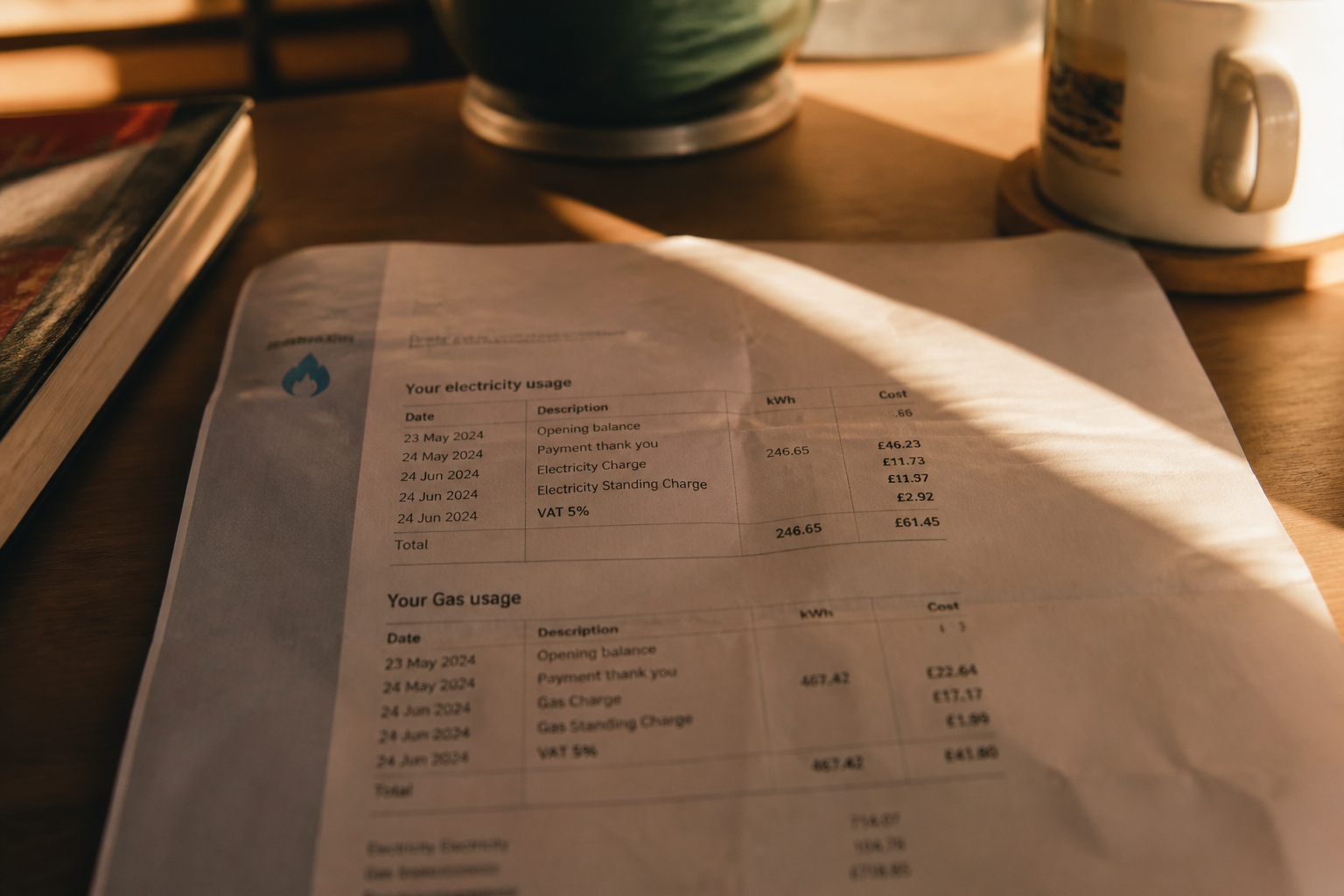
Every energy bill is composed of distinct elements. The unit rate covers the actual electricity or gas used. The standing charge is a daily fixed cost that pays for the energy network upkeep and the cost of servicing the customer account. Even if a home uses zero energy, the standing charge continues to accrue.
Policy levies form an additional component of the bill. These levies are often used to fund wider social and environmental schemes. Recent discussions have focused on whether shifting these costs could change the relative price of electricity compared to gas. By altering how these levies are applied, policy makers could incentivise cleaner heating technologies like those supported by The Heat Pump Scheme.
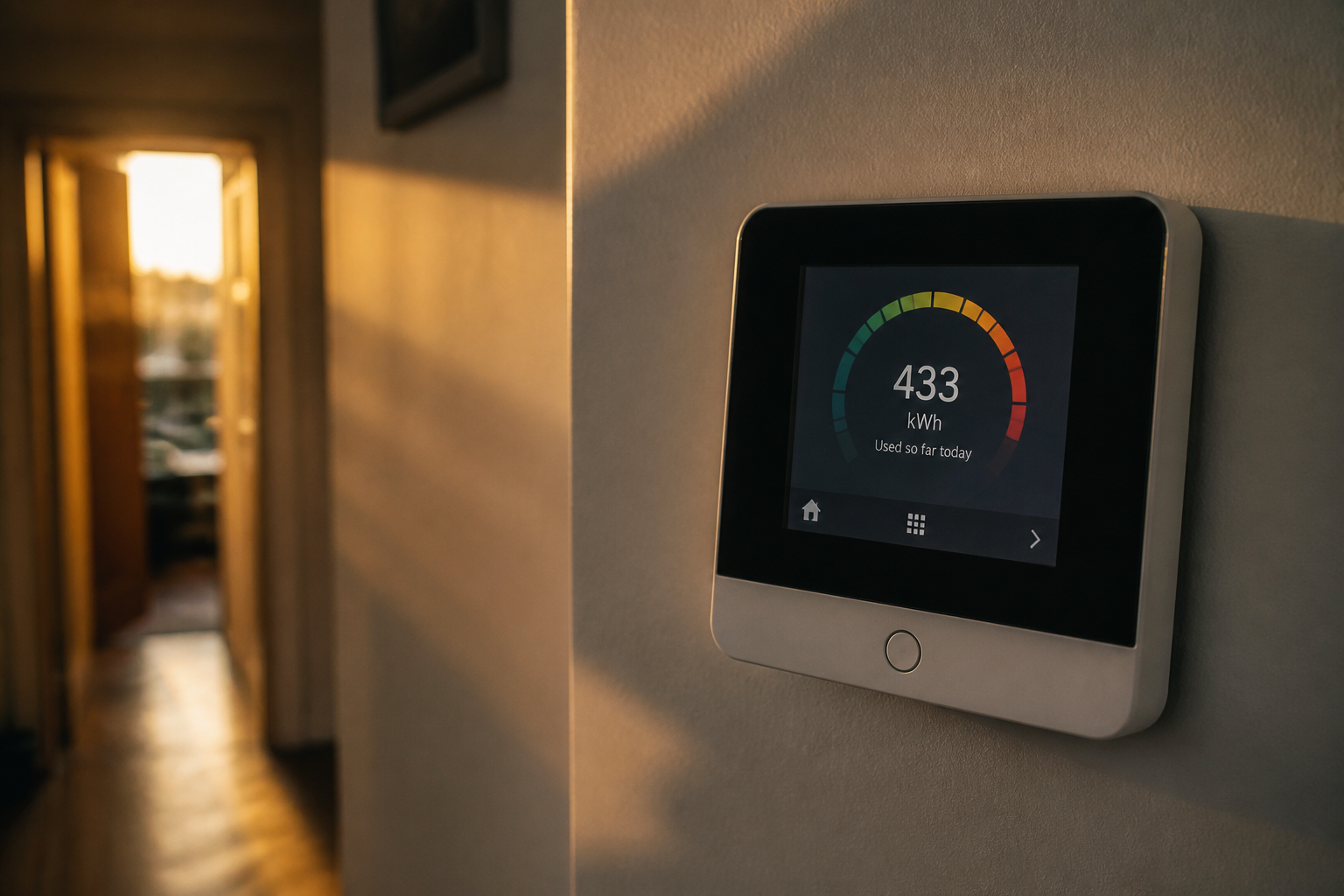
Understanding these components is crucial for accurate budgeting. For instance, consumers should distinguish between the unit rate (measured in pence per kilowatt-hour) and the daily standing charge. Because the standing charge is unavoidable, high-efficiency appliances only impact the unit rate portion of the bill. As policy makers look toward long-term grid balancing, residential consumers may find that monitoring their hourly usage via smart meters provides the granular data necessary to reduce their total annual expenditure.
Regional variance and payment methods
The price cap is a national average, but the specific rates a customer pays vary by region. This reflects the different costs of transporting energy across the UK grid. Furthermore, how a customer pays affects their final bill. Those paying by direct debit often benefit from lower overall costs compared to customers who receive paper statements or use prepayment meters.
Suppliers may offer different default tariffs, but they are bound by the Ofgem unit price limit. To deviate from this, they would need to prove that their overall billing structure remains within the prescribed limits. This transparency is vital for maintaining myths and facts about household financial health and ensuring consumers can effectively plan their personal budgets.
Regional differences in pricing occur because distribution network operators face varying operational costs, such as terrain and population density. For example, remote areas may have higher network maintenance costs which are passed to the end consumer. Payment methods also introduce variance; prepay customers often pay a higher standing charge due to the costs of debt management and administrative infrastructure associated with legacy prepayment meters.
The energy price cap sets a maximum unit price for each kilowatt hour of energy used by customers on a standard variable tariff.
Proposals for structural reform
The current structure of energy pricing is subject to ongoing review. Proposals have been examined that would change how gas standing charges are applied. By potentially removing certain policy levies from electricity bills, these proposals aim to lower the cost of using cleaner heat sources.
This shift could be a significant step in making the transition to low carbon homes more affordable. For those considering upgrades, making sense of residential solar panel investment or exploring home efficiency is increasingly relevant. These long term measures are designed to help reduce reliance on the volatile wholesale gas market.
Andy Burnham has recently advocated for a more radical approach to energy pricing to protect households from future spikes. These proposals are being considered alongside broader national energy policies, such as the seventh carbon budget, which provides a framework for decarbonising the UK heating sector. For employers looking to support their staff through these transitions, understanding the impact of these changes is a priority when considering balancing reward budgets and staff retention.
The future of domestic energy policy
Energy security and affordability remain at the centre of current policy discourse. Governments are looking at how to reduce the reliance on imported gas while improving the insulation of UK housing stock. These efforts involve scaling up technology through our schemes and supporting households in identifying the right solutions for their specific needs.
Looking forward, the aim is to create a market where low carbon energy is the most cost effective option. While immediate relief through price caps offers short term protection, structural changes to the energy grid and building efficiency are essential for long term sustainability. These developments will influence household finances well into the next decade.
The transition to a net-zero energy system requires a shift in how energy is consumed, including the adoption of electrified heat and transport. As the energy landscape evolves, policies may shift to favour variable tariffs that track wholesale prices, allowing consumers to use electricity when generation from wind and solar is abundant. This represents a significant departure from the current flat-rate price cap, placing more agency in the hands of the consumer to manage their energy consumption effectively.

| Action | Goal | Potential benefit |
|---|---|---|
| Upgrade insulation | Reduce heat loss | Lower demand |
| Install solar | Self-generation | Grid independence |
| Install heat pump | Efficient heating | Lower bills |
Strategies based on general energy efficiency best practices and sector growth data.
Questions people ask
- Does the energy price cap guarantee a maximum monthly bill?
- No. The price cap limits the amount suppliers can charge for each unit of gas or electricity consumed, plus the daily standing charge. Because your bill depends on your total energy usage, households that consume more energy than the Typical Domestic Consumption Value will see total bills exceeding the headline cap figure.
- How do regional variations affect my energy bill?
- Energy prices vary by region because it costs different amounts to transport and distribute gas and electricity across the national grid. These regional network costs are factored into the unit rates and standing charges set by suppliers, meaning customers in some areas will pay more than those in others, despite the national cap.
- Why is there a standing charge on my energy bill?
- The standing charge is a fixed daily fee that covers the costs of maintaining the energy network, servicing your customer account, and ensuring your property is connected to the grid. You must pay this fee regardless of how much energy you consume. Recent policy discussions have considered whether these charges could be restructured to encourage energy efficiency.
- How can I reduce my exposure to energy price cap fluctuations?
- Long-term protection often involves reducing dependence on the grid through investments in home energy efficiency and generation. Options include installing heat pumps through The Heat Pump Scheme or solar panels. These measures help lower total consumption, mitigating the impact of rising unit costs set by the energy price cap.
Keep reading
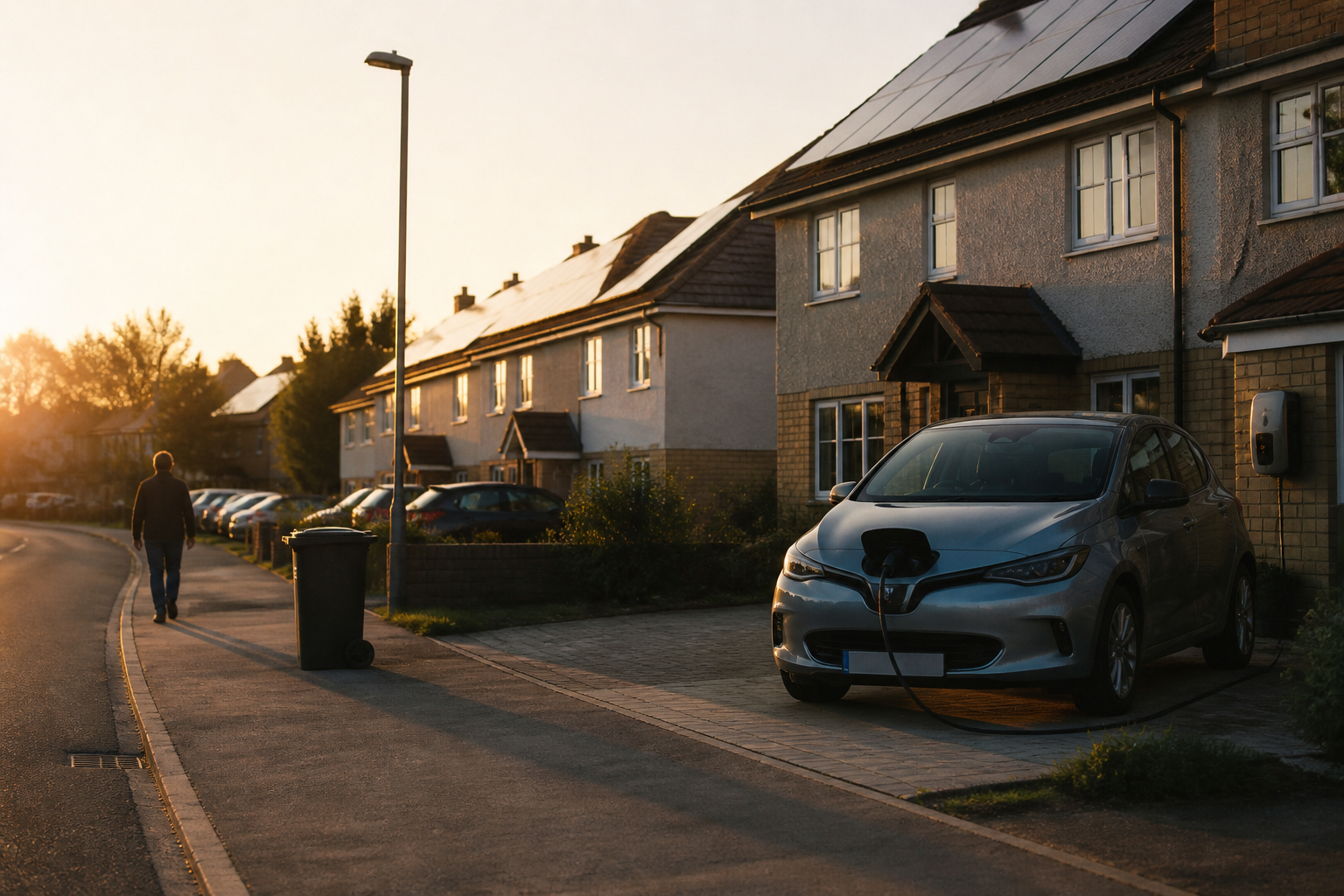
Home solar energy generation
Trends in domestic rooftop solar adoption for 2026
UK electricity grid infrastructure
UK electricity generation and the clean power shift
Employee financial wellbeing metrics
Supporting employee financial stability with data

Home heating technology update
Deciding on domestic heat pump installation
employee reward strategy analysis
Optimising personal reward strategy with salary sacrifice

UK climate fiscal policy
Understanding the seventh carbon budget for payroll planning
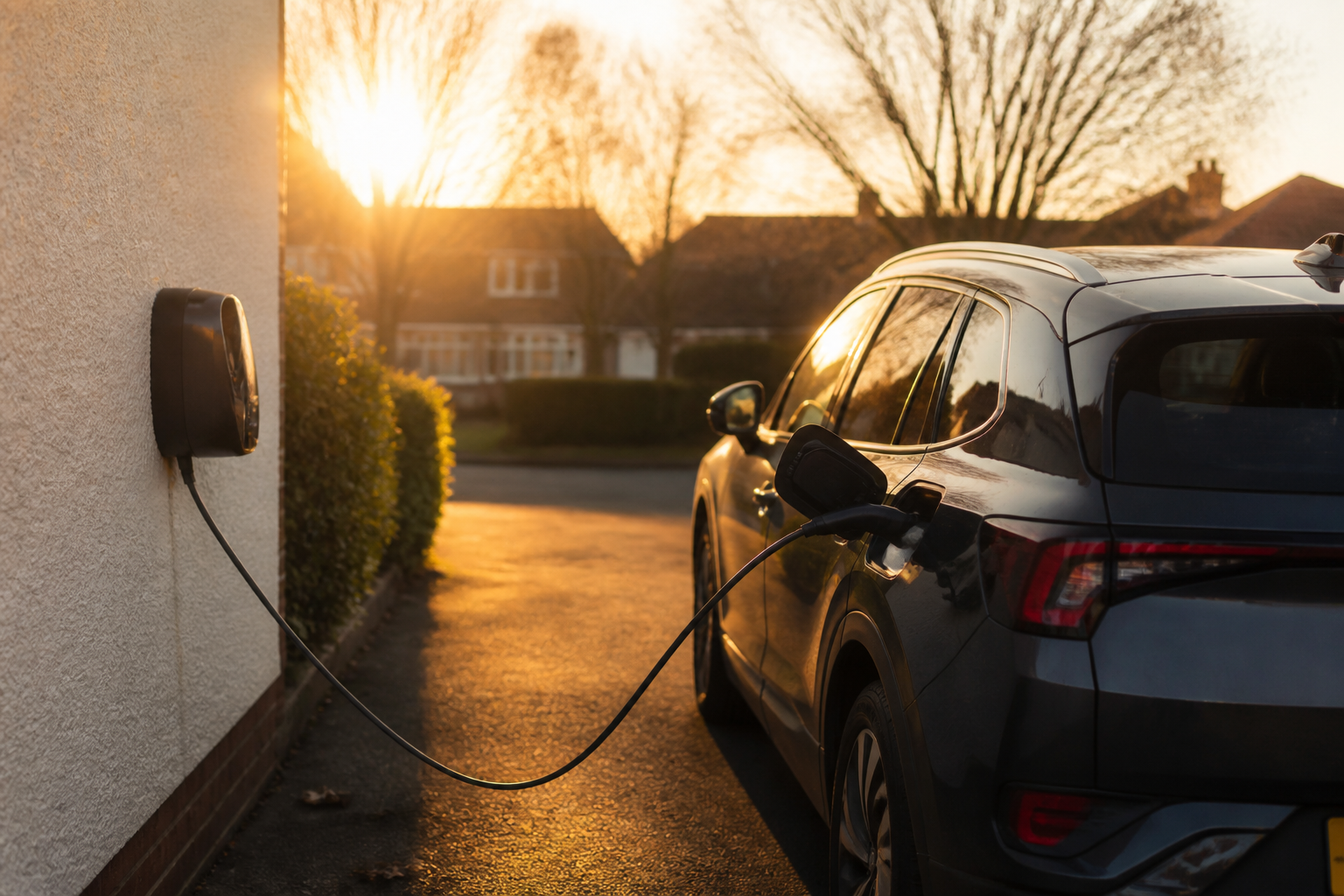
electric vehicle charging guidance
Practical steps for managing your electric vehicle charging

Business travel expense strategy
Deciding between business mileage claims and salary sacrifice

electric vehicle market trends