
Home solar energy generation
Making sense of residential solar panel investment
Practical guidance on home solar generation, current export tariff dynamics, and navigating the decision process for your household energy transition.
 Thom GrootCEO and Co-Founder
6 min readUpdated
What matters here
- Rooftop solar generation now accounts for one third of UK solar output.
- Export tariffs vary significantly based on your specific installer agreement.
- Effective energy management improves the return on investment for solar panels.
In short
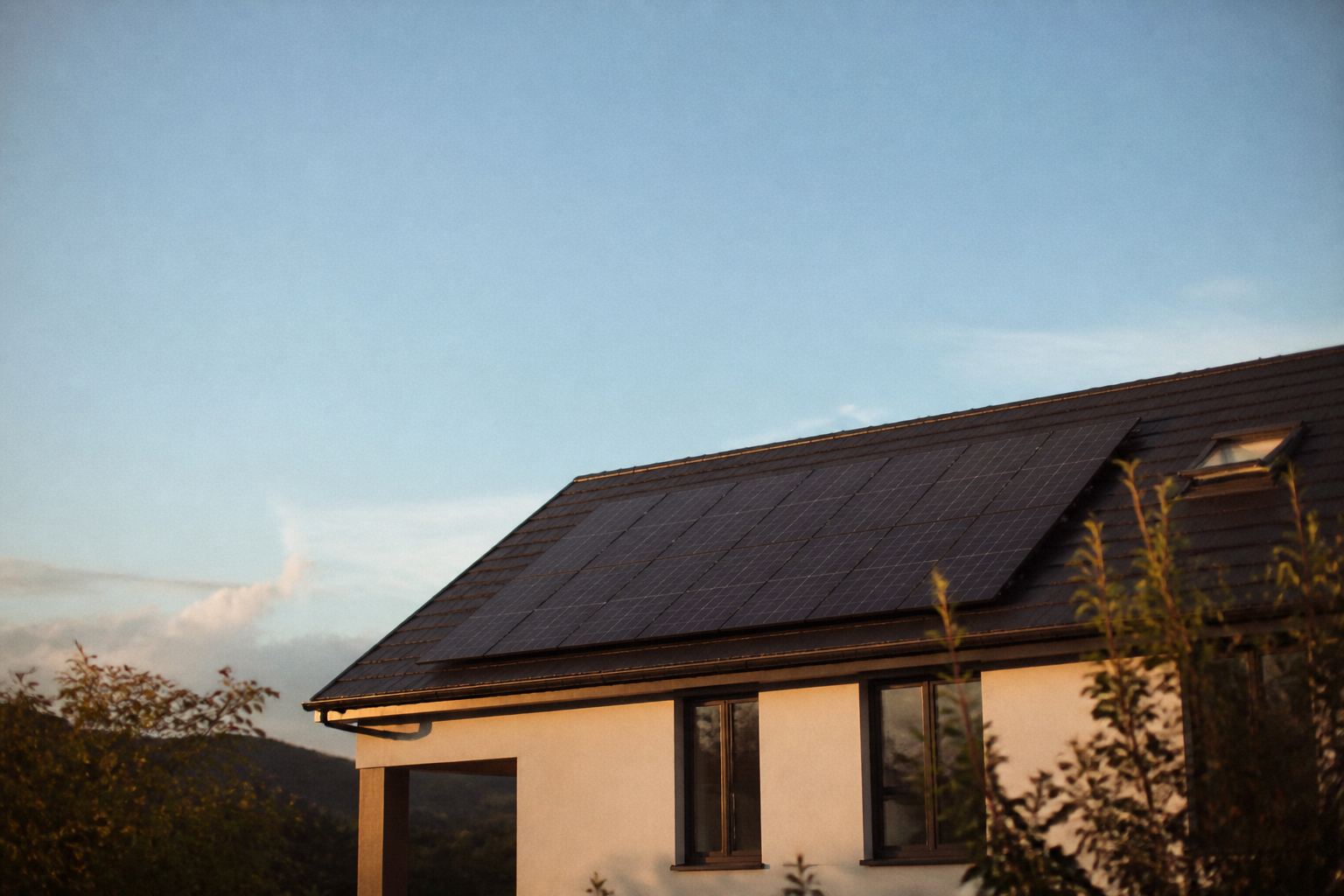
Rooftop solar panels convert sunlight into electricity for immediate home use or export to the grid. The financial benefit depends on matching your consumption to peak generation hours and securing a favourable export tariff. As more households adopt this technology, selecting the right equipment and installation partner has become the most critical factor in system efficiency and long term yield.
To achieve a successful installation, one must view the process as a multi stage project. It begins with an assessment of roof integrity and orientation, followed by the selection of high efficiency photovoltaic modules, and concludes with the integration of smart monitoring hardware. Failing to align these components often leads to sub-optimal generation that fails to offset the initial capital expenditure.
Understanding the current solar landscape
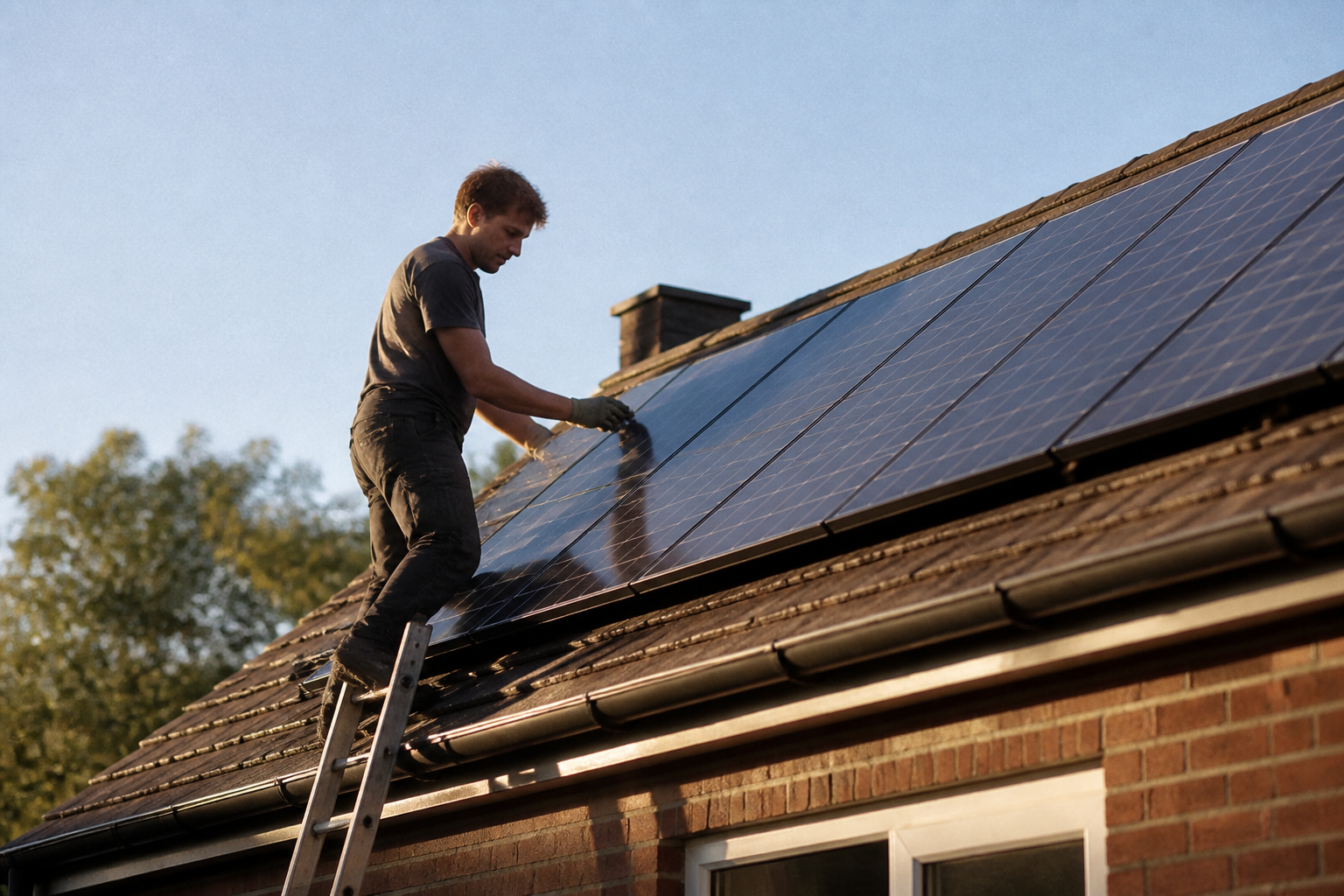
The UK solar market has reached a point where residential rooftops are substantial contributors to national capacity. Recent reports show over 1.4 million homes now feature solar panels, with growth continuing at a steady rate. Almost one third of the UK's solar electricity is generated by rooftop solar installations, making this a pivotal element of the national energy mix.
Choosing to install solar is no longer just about reducing electricity bills. It is about actively managing a home energy asset. The shift towards decentralised power means that every household installation contributes to the stability of the local network. When employers consider providing our schemes, they are often looking at how these technologies integrate into the daily lives of their teams.
The current market maturity means that homeowners have access to more robust performance data than in previous years. By analysing regional sun exposure levels, prospective installers can now provide more accurate projections of annual kilowatt hour yields. This transition from speculative estimation to data driven forecasting allows households to plan their long term energy budgets with higher precision.

Evaluating system performance expectations
System performance is influenced by roof orientation, shading, and equipment quality. While a south facing roof typically yields the highest energy generation, modern technology allows for effective output from east and west facing arrays. The key is to avoid partial shading from trees or nearby structures.
Many homeowners now pair solar panels with battery storage to maximise self consumption. This strategy reduces the need to pull electricity from the grid during high price periods. It is an effective way to manage Supporting employee financial resilience amid rising costs by limiting exposure to fluctuating wholesale prices.
Before proceeding with a The Solar Scheme assessment, perform a site audit. This ensures that the physical conditions of your property are suitable for the proposed capacity. Misaligned systems often fail to meet expected performance metrics, leading to longer payback periods.
A common pitfall in system evaluation is ignoring the impact of inverter degradation. While panels may last for twenty five years, the inverter, which converts DC electricity to AC for home use, often requires replacement within a decade. Accounting for this mid life maintenance cost is essential for a realistic financial appraisal.
The importance of installer selection
The relationship between your installer and your export tariff is direct and significant. Because some energy suppliers incentivise systems fitted by their approved partners, the choice of contractor can impact your ongoing revenue. Always verify if your chosen installer has established links with high paying export partners.
Maintenance is another factor. An installer that offers a long term service agreement protects the longevity of your panels. Problems often arise from inverter failures rather than the panels themselves, so ensuring you have access to qualified technicians is vital.
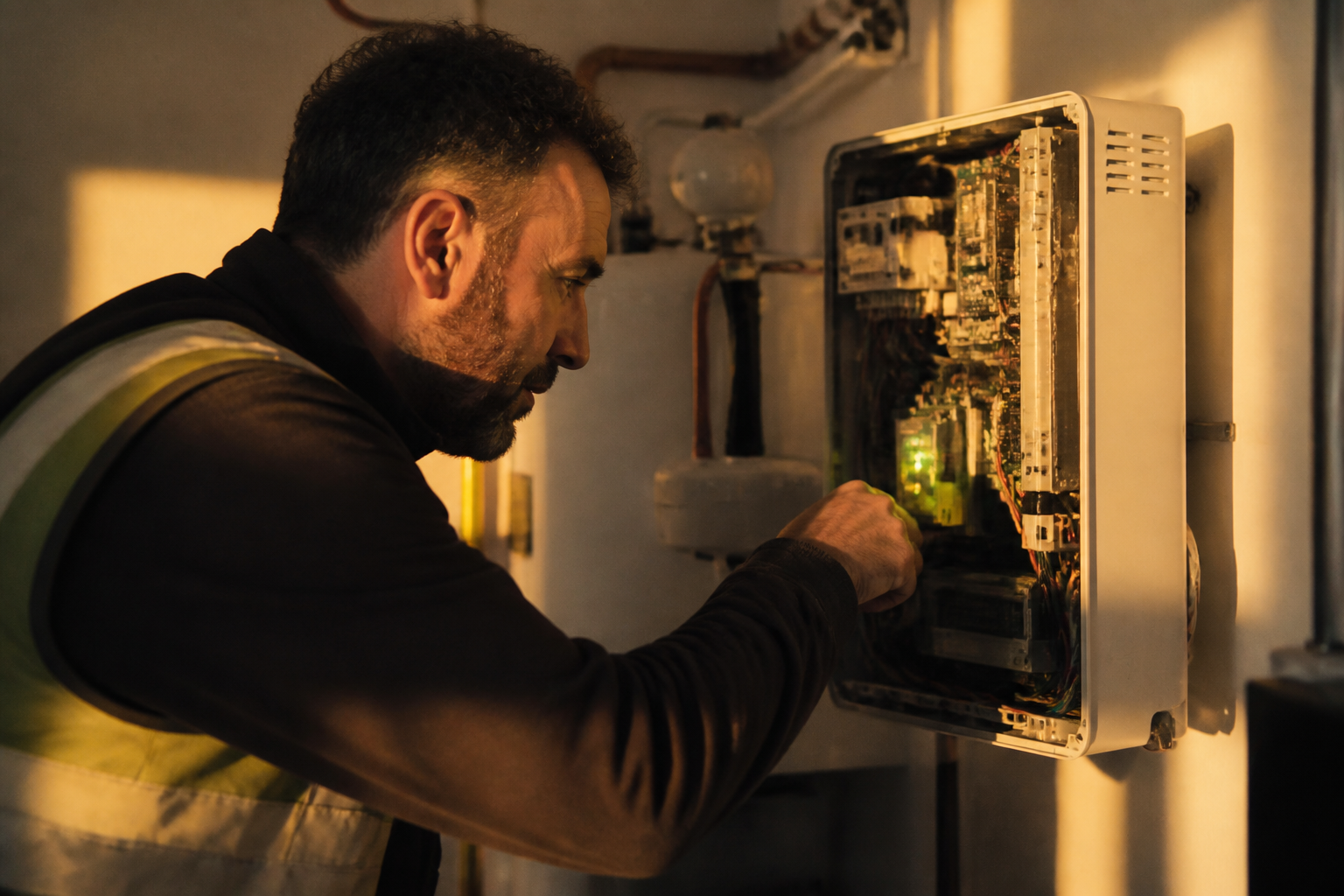
For those navigating Navigating domestic green technology installation timelines, building in a buffer for administrative and grid connection approvals is wise. These processes take time and require proactive management to keep the project on track. Expert installers typically handle the G98 or G99 notification processes on behalf of the homeowner, which prevents common bottlenecks during the commissioning phase.
Always request a copy of the MCS certificate upon completion, as this document is a requirement for registering for most export tariff schemes. Without valid certification, homeowners may find themselves unable to access the higher rates mentioned in market comparisons.
The agreement you reach often depends on the company that installed your system, which creates a disparity in potential income for homeowners.
Integrating solar with other home technologies
Solar generation works best when integrated with other household energy upgrades. If you have an electric vehicle or a heat pump, your self consumption potential increases dramatically. These high draw devices can be programmed to run when your solar panels are generating peak power.
Connecting these devices requires Deciding on domestic energy grid connections that can handle the increased load. You should speak with your DNO, the Distribution Network Operator, if you plan to combine multiple large systems at one address.
By aligning your energy generation with your energy usage, you transform your home into a mini power plant. This is the logic behind The Net Zero Home Scheme. It simplifies the transition to a more efficient living space by coordinating multiple upgrades at once.
Integrating a heat pump through The Heat Pump Scheme alongside solar allows for a substantial reduction in gas or oil dependency. Similarly, using The Electric Car Scheme in tandem with solar charging capabilities ensures that your vehicle is powered by the cleanest available energy, further lowering the total cost of ownership for your mobility needs.
Ensuring financial resilience for your home
Investing in solar represents a commitment to lower long term costs. It provides a hedge against future utility price volatility. For those supporting financial wellness, this represents a long term value proposition that far exceeds short term incentives.
Maintain a detailed record of your generation and export data during the first year of operation. This data helps identify if your system is performing according to the initial estimates. If the results are lower than projected, check for technical faults or unexpected obstructions.
Always prioritise quality components that come with standard product warranties. While it is tempting to lower upfront costs with cheaper panels, the potential for lower durability makes this a risky strategy in the UK climate. Opt for established brands that are supported by local service networks.
Finally, ensure that your homeowners insurance is updated to reflect the addition of solar panels and battery storage. Most insurers require notification of permanent fixtures, and verifying this early prevents coverage disputes should weather damage occur.
Questions people ask
- Does my roof orientation affect my eligibility for export tariffs?
- Roof orientation does not affect your eligibility for export tariffs, but it significantly impacts your generation yield. While south facing roofs are optimal, east and west arrays remain highly efficient. Your chosen export partner will pay for the electricity exported regardless of your roof direction, provided your system is correctly certified and registered.
- Why is installer certification so important for solar projects?
- Installer certification, particularly through schemes like MCS, is mandatory for accessing export tariffs and certain financial incentives. Certified installers ensure your system meets strict safety and technical standards required by DNOs. Using non certified installers may result in grid connection delays or the inability to claim export payments for your surplus electricity.
- Can I combine solar panels with an electric vehicle charger?
- Yes, integrating solar panels with EV charging via The Charge Scheme is highly recommended. By using smart chargers, you can program your vehicle to charge only when your solar array produces excess power. This maximises your self consumption, reduces reliance on grid electricity, and lowers your overall fuel costs significantly compared to standard grid charging.
- How often should I monitor my solar system performance?
- You should check your generation data at least once a month during your first year to confirm output matches initial projections. Monitoring systems usually provide mobile app access for real time tracking. If you notice a sharp decline in production, check for debris or shading, as these are the most frequent causes of efficiency loss.
Keep reading

Home solar energy generation
Trends in domestic rooftop solar adoption for 2026
UK energy price regulation
Understanding the October 2026 energy price cap

employee reward strategy analysis
Optimising personal reward strategy with salary sacrifice

UK electricity grid infrastructure
UK electricity generation and the clean power shift

electric vehicle charging guidance
Practical steps for managing your electric vehicle charging

Business travel expense strategy
Deciding between business mileage claims and salary sacrifice
Employee financial wellbeing metrics
Supporting employee financial stability with data

Home heating technology update
Deciding on domestic heat pump installation

electric vehicle market trends