


UK electricity grid infrastructure
UK electricity generation and the clean power shift
Analysing the UK's changing electricity generation mix and what it means for those adopting renewable energy technology at home.
 Mas MortonChief of Staff
5 min readUpdated
What matters here
- Renewables accounted for 47.1 percent of the electricity mix as of June 2026.
- The government has set a target to source all electricity from clean energy by 2030.
- Grid transition influences the long-term carbon benefit of home and transport technology.
In short
As of June 2026, 47.1 percent of UK electricity is generated from renewable sources. With a government target to decarbonise the electricity system entirely by 2030, the carbon intensity of grid-connected devices is falling rapidly. This transition improves the environmental performance of electric vehicles and home heating systems, as the energy powering them becomes cleaner over time.
For the individual, the shift is marked by a structural change in how energy is produced and consumed. While 47.1 percent of power is derived from renewables, the remaining generation mix is increasingly shifting towards other low-carbon methods. Understanding this evolution is critical for households investing in The Net Zero Home Scheme to ensure they derive maximum utility from their equipment.
Understanding the current generation mix
The UK electricity system is undergoing a transition from traditional fossil fuel dependency toward a diverse array of renewable generation sources. Recent data confirms that as of June 2026, renewable energy contributed 47.1 percent of the total electricity mix. This figure represents the total energy supplied to the grid from sources such as wind, solar, and hydroelectric power, reflecting a broader trend in UK energy policy.
For the individual, the composition of the grid is more than a macro statistic. It directly informs the environmental footprint of daily life. Whether you are managing an electric vehicle through The Electric Car Scheme or considering home upgrades via The Solar Scheme, the grid mix acts as the multiplier for your personal carbon reduction. As the proportion of renewable energy rises, the carbon cost of running these technologies falls.
To interpret these figures correctly, users must differentiate between intermittent generation and baseline load. Renewable assets like wind and solar vary in output based on weather conditions. This necessitates the use of storage and secondary low-carbon generation to maintain a consistent flow of electricity to domestic and commercial consumers.
The 2030 clean power ambition
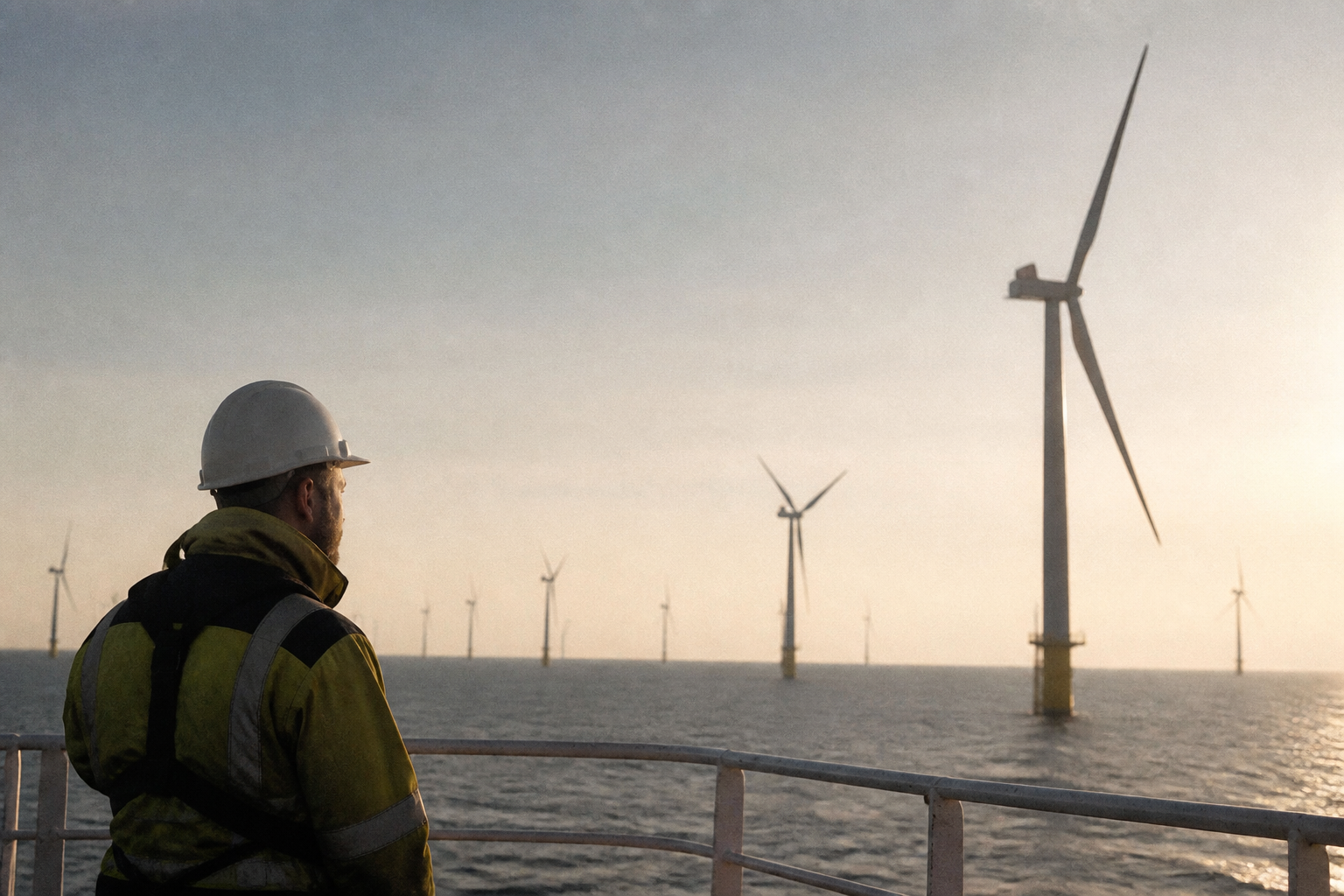
Government policy now centres on a clear objective: to meet Britain's electricity demand entirely through clean sources by 2030. This target acts as a benchmark for developers and infrastructure planners. It dictates the scale of connection required for new solar, wind, and storage assets. Achieving this will move the UK from a mixed generation model to a system where fossil fuels are removed from the baseline of electricity production.
The current status is that 66 percent of British electricity is sourced from clean energy, a category that includes both renewable assets and other low-carbon methods. The distinction between total renewable energy and total clean energy is important for understanding how the grid is managed. Renewables typically refer to wind and solar, while clean energy encompasses a broader range of zero-carbon technologies. Closing the gap to 100 percent by 2030 requires sustained investment in transmission and distribution infrastructure.
Progress toward this target is monitored through the Commons Library research frameworks. These frameworks account for the commissioning of large-scale offshore wind farms and the necessary upgrades to the National Grid, which must handle increasingly complex and bi-directional energy flows.
The government aims to meet Britain's electricity demand with energy from clean sources by 2030.
| Metric | Percentage |
|---|---|
| Renewable share | 47.1% |
| Total clean power share | 66.0% |
Data based on statistics from Cladco and the House of Commons Library regarding mid-2026 performance.
Grid connections and infrastructure capacity
The transition to clean power is contingent on the capacity of the national grid to accept and distribute energy from decentralised sources. Unlike traditional power plants, which are usually large and centrally located, renewable assets are often distributed across the country. This creates a need for substantial investment in grid connections and balancing services to ensure the supply remains stable throughout the day.
Infrastructure development is a primary focus for managing this transition. When we talk about UK green technology installer capacity and sector growth, we are often referencing the ability of the local network to handle new domestic connections. Balancing the load between the national transmission network and regional distribution networks is essential to prevent bottlenecks as more households adopt heat pumps and electric vehicles.
Common constraints include local transformer limitations in older residential areas. When a high density of households installs high-draw equipment, the local distribution network operator may require an assessment or upgrade. This is a standard part of the adoption process for major installations supported by The Heat Pump Scheme.
Carbon intensity and personal choice
The carbon intensity of the electricity grid is not constant. It fluctuates based on demand and the availability of renewable sources. During periods of high wind or high solar yield, the electricity supplied to the grid is cleaner. Users of electric vehicles often find that charging during off-peak hours coincides with times when the grid is less stressed and relies more heavily on baseline renewable production.
This variability makes the timing of energy consumption a relevant factor for users of The Charge Scheme. By aligning usage with grid capacity, individuals can reduce their indirect emissions even further. The long-term trend, however, is one of decreasing carbon intensity across all hours. As the UK continues to retire older, carbon-intensive power generation, the baseline grid becomes cleaner, regardless of when you plug in your devices.
The role of household technology
Adopting technology like heat pumps or solar panels changes how a property interacts with the grid. A household with solar panels is no longer just a consumer; it becomes a participant in the grid ecosystem. By generating electricity on-site, a home can offset demand during peak hours, reducing the burden on the wider transmission network.
This shift is a key component of Understanding the components of domestic energy bills. By managing how much energy you draw from the grid versus how much you generate or store at home, you influence your own exposure to retail energy costs. The efficiency of this exchange is improving as smart home systems become more integrated with grid-balancing software.
Economic implications for households
The transition to a cleaner grid has economic consequences. While the initial investment in renewable generation infrastructure is significant, the marginal cost of producing electricity from wind and solar is low compared to fossil fuels. As the grid reaches higher levels of renewable penetration, the reliance on volatile global fuel prices is expected to decrease.
Employers should consider these macroeconomic shifts when discussing Balancing reward budgets and staff retention with their teams. Providing access to technology that leverages a greener grid can be a meaningful part of a long-term benefits strategy. It helps employees manage their cost of living while contributing to broader national environmental goals through the Net Zero Home Scheme.
Questions people ask
- How does the national renewable percentage affect my household bills?
- As the UK increases its share of renewables, such as the 47.1 percent recorded in June 2026, the reliance on imported fossil fuels typically decreases. Over time, this helps decouple household energy costs from volatile global gas prices, leading to a more stable and potentially lower cost of electricity generation.
- What is the difference between renewable and clean energy targets?
- Renewable energy specifically refers to sources like wind, solar, and hydro that naturally replenish. Clean energy is a broader term including renewables plus other low-carbon methods like nuclear power. The UK government aims for 100 percent clean power by 2030, a goal supported by a mix of renewable and zero-carbon assets.
- Can I improve my home's energy efficiency if the grid is clean?
- Yes. While a cleaner grid reduces the carbon footprint of your appliances, home energy efficiency measures such as insulation and heat pumps, accessible via The Heat Pump Scheme, reduce overall demand. Lowering your total consumption ensures your property remains economical to run regardless of fluctuations in grid electricity prices.
- Why do charging times for electric vehicles matter for the grid?
- The electricity grid experiences peak demand during morning and evening hours. By using The Charge Scheme to schedule charging during off-peak times, users can draw electricity when demand is lower. This helps grid operators maintain balance and allows households to utilise energy when the grid mix is at its cleanest.
Keep reading

Employee financial wellbeing metrics
Supporting employee financial stability with data
UK energy price regulation
Understanding the October 2026 energy price cap

UK climate fiscal policy
Understanding the seventh carbon budget for payroll planning
electric vehicle charging guidance
Practical steps for managing your electric vehicle charging

Business travel expense strategy
Deciding between business mileage claims and salary sacrifice

Home solar energy generation
Trends in domestic rooftop solar adoption for 2026

Home heating technology update
Deciding on domestic heat pump installation

employee reward strategy analysis
Optimising personal reward strategy with salary sacrifice

electric vehicle market trends