


Home solar energy generation
Trends in domestic rooftop solar adoption for 2026
Record-breaking solar installation figures and shifting export tariffs are reshaping how UK households manage their energy costs and generation.
 Rob BucklandOperations Director
5 min readUpdated
What matters here
- Annual solar installations are on track to reach 300,000 in 2026.
- Rising energy prices drive domestic solar adoption for cost reduction.
- Export tariffs offer tangible annual bill savings across the UK.
In short
The rooftop solar market is currently experiencing significant growth, with over 207,000 MCS certified installations recorded by September 2026. This surge is driven by consistent demand for energy bill reduction, as solar systems provide meaningful savings even in cloudier regions. Homeowners are increasingly integrating solar generation with export tariffs to lower net energy costs throughout the year.
As adoption rates accelerate, understanding the nuances of system sizing and grid integration becomes paramount for UK households. By leveraging The Solar Scheme, employees can access guidance on navigating the current market, ensuring that technical specifications match individual consumption profiles. This foundational step is critical for moving beyond basic installation toward true energy autonomy.
The current state of solar adoption
The UK solar energy sector has maintained an extraordinary trajectory throughout 2026. By mid-September, the number of MCS certified installations already eclipsed the total figures recorded for the entirety of 2011. This indicates a sustained momentum in consumer demand that shows no sign of slowing as we move toward the final quarter of the year.
Current data suggests the industry is on course to complete approximately 300,000 installations across residential and public buildings. This volume surpasses the previous annual record of 269,195, which was set only last year. This growth is not confined to the sunniest regions, as the appetite for self-generation reflects a nationwide commitment to managing energy consumption more effectively at the property level.
Market analysts note that the rapid pace of adoption is supported by increased consumer confidence in the reliability of PV technology. The sector's resilience is further explored in our insight section, which highlights the correlation between stable installer supply chains and the record-breaking figures observed this year.
Regional impacts on energy savings
Analysis of household energy savings suggests that rooftop solar remains a robust financial tool regardless of geography. Research conducted for the Guardian demonstrates that households in areas with lower solar irradiance still achieve significant annual reductions in their electricity bills. This reality challenges the perception that domestic solar generation is only viable in the southern counties.
In the cloudiest regions of Great Britain, householders can anticipate savings of roughly £450 annually. In contrast, locations benefiting from more consistent sunlight may see these figures climb beyond £600 per year. These estimates are grounded in current wholesale energy prices and the declining capital costs associated with procuring and installing high-efficiency solar panels.
For households considering a multi-technology approach, these savings can be amplified when paired with other improvements. For example, integrating a low-carbon heating system via The Heat Pump Scheme allows residents to utilise self-generated solar electricity to power their primary heating source, thereby smoothing out seasonal energy demand spikes.
Households in Great Britain’s cloudiest regions could still save more than £400 a year on their energy bills by installing rooftop solar panels.

| Region profile | Estimated annual saving |
|---|---|
| Cloudy regions | £450 |
| Average UK regions | £525 |
| High-sunlight regions | £600 |
Figures based on analysis provided by Recharge Renewable, published September 2026.
Optimising return through export tariffs
The financial viability of a solar system is tied to how excess energy is managed. Export tariffs allow households to sell surplus power back to the grid, providing a secondary revenue stream that complements direct bill savings. With rates updated frequently by major energy suppliers, staying informed about current market offers is essential for those looking to maximise their return on investment.
Selecting the right tariff requires reviewing the specific rates offered per kilowatt-hour. Since these rates fluctuate based on market dynamics, they directly influence the payback period of a system. Employers can support staff understanding by highlighting the role of The Solar Scheme in facilitating access to these technologies, which are essential for long-term domestic energy management.
Households should be aware that tariff flexibility is often dependent on having a compliant smart meter installed. This digital infrastructure ensures that the export of energy to the national grid is measured accurately, preventing potential discrepancies in billing and revenue payments that could extend the time it takes for a project to break even.
The role of commercial and public sector solar
While MCS data tracks small-scale installations, a significant amount of solar capacity is being deployed on warehouses, supermarkets, and schools. These commercial-scale projects operate outside the standard development planning system, making them harder to count but crucial to the broader energy shift. This segment of the market provides a blueprint for how large footprint buildings can transition to net zero operations.
Finance directors should note that these installations often serve as a hedge against industrial electricity price volatility. By stabilising operational costs through on-site generation, businesses can protect themselves from the unpredictable spikes often seen in global energy markets. This strategy mirrors the domestic approach of leveraging The Net Zero Home Scheme to reduce reliance on grid-supplied electricity.
Beyond simple cost reduction, large-scale rooftop solar offers significant advantages for corporate reporting and regulatory alignment. As organisations look to comply with evolving carbon budgets, the deployment of self-generation capacity on physical assets is becoming a standard feature of modern environmental, social, and governance strategies.
Cost drivers and market maturation
The cost of installing solar panels has consistently trended downward, which has been a primary catalyst for the surge in demand. As supply chains have stabilised and installation capacity has expanded, the barriers to entry for the average homeowner have reduced. This market maturation means that solar technology is no longer a luxury asset but a standard component of modern housing infrastructure.
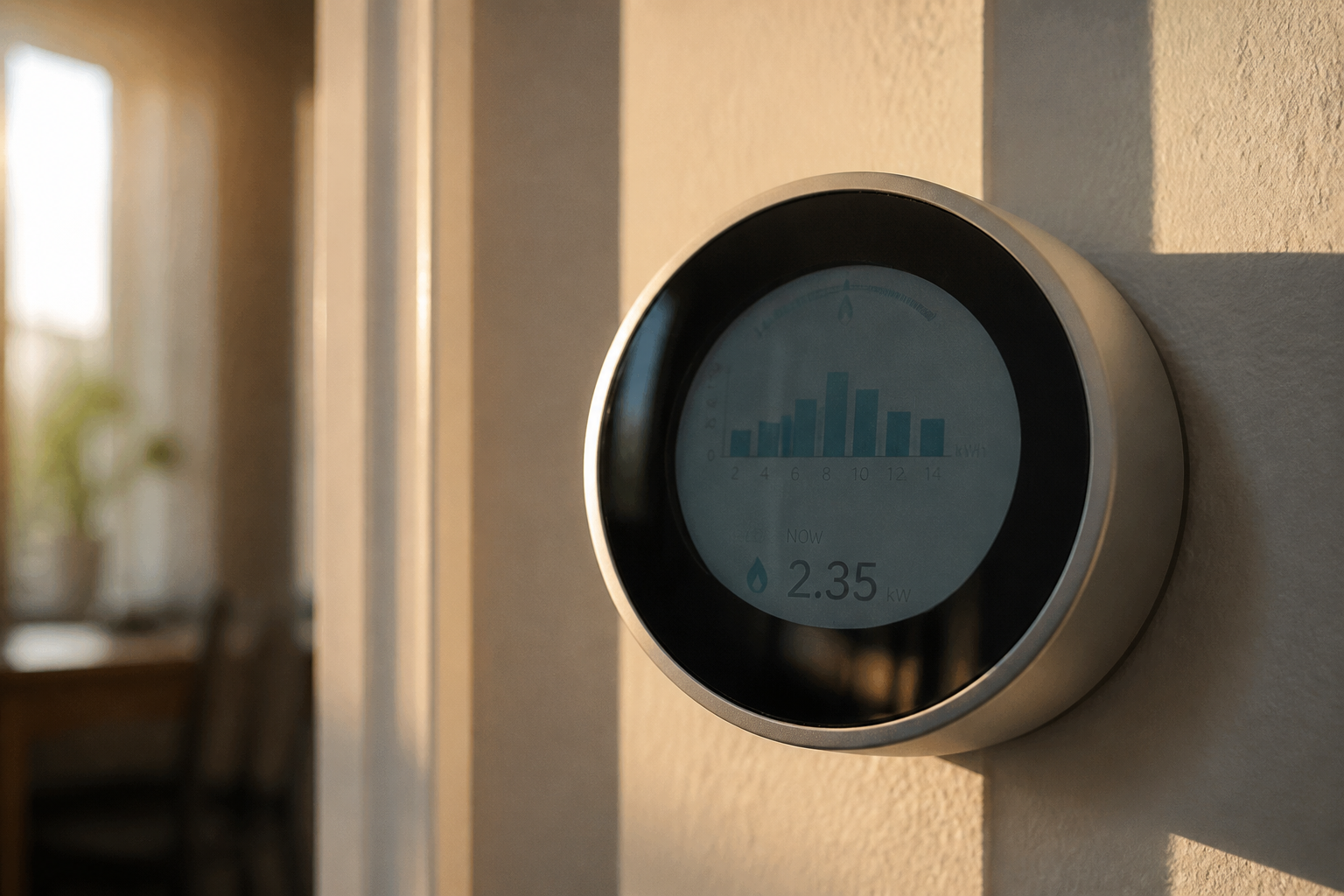
Furthermore, the integration of smart meters and energy management systems allows for a more automated approach to self-generation. Households can now time their high-energy tasks, such as running washing machines or charging electric vehicles via The Charge Scheme, to coincide with peak solar production hours. This behavioural shift is fundamental to achieving the maximum potential from every installed panel.
It is important to recognise that improper installation can lead to long-term performance degradation or safety risks. Homeowners must ensure their installers are certified and compliant with the latest MCS standards. Proper maintenance, including regular cleaning and inverter diagnostics, is equally necessary to ensure the system output does not decline over time, protecting the overall capital investment.
Looking ahead to 2027
As we look toward 2027, the focus will likely remain on capacity and efficiency. The sector is moving toward a model where every new building is considered for solar readiness from the start. This proactive approach will reduce the future costs associated with retrofitting, ensuring that more homes are equipped to contribute to the national grid while lowering individual bills.
Market stability will be influenced by how effectively the UK can maintain its installer base. As mentioned in our insight section, the growth of the green technology sector depends on high-quality training and reliable supply lines. For organisations monitoring the broader energy landscape, the continued expansion of solar remains a vital indicator of both consumer confidence and national energy resilience.
Questions people ask
- How much can I expect to save with a rooftop solar system?
- Householders in cloudier regions typically save around £450 annually on electricity bills, while those in sunnier areas may see savings exceed £600. These figures vary based on local irradiance, the size of your specific system, and how effectively you use generated power versus exporting it to the grid.
- Does solar panel installation only work in the south of the UK?
- No. Recent research confirms that rooftop solar remains a robust financial tool regardless of geography. While regional sunlight levels differ, the high efficiency of modern panels allows households across all of Great Britain to achieve significant annual reductions in energy costs, challenging the myth that solar is only viable in southern counties.
- What is the most effective way to manage excess solar energy?
- You can maximise returns by signing up for an export tariff, which pays you for surplus energy sent to the national grid. Additionally, using The Charge Scheme to time your appliance usage or electric vehicle charging with peak solar production hours helps you consume more of your own generated electricity directly.
- Is solar installation now considered a luxury asset?
- Solar technology has matured into a standard component of modern housing infrastructure. Driven by downward price trends and improved supply chain stability, it is no longer a luxury asset but a practical investment for bill reduction, often supported by initiatives like The Net Zero Home Scheme to improve residential energy efficiency.
- How do export tariffs affect the payback period of my solar system?
- Export tariffs provide a secondary revenue stream that shortens the payback period. Because these rates fluctuate based on market dynamics, it is essential to monitor current offers from energy suppliers. Choosing the correct tariff can significantly reduce the time taken to recover the initial capital costs of your system installation.
Keep reading
UK energy price regulation
Understanding the October 2026 energy price cap

employee reward strategy analysis
Optimising personal reward strategy with salary sacrifice

UK electricity grid infrastructure
UK electricity generation and the clean power shift

electric vehicle charging guidance
Practical steps for managing your electric vehicle charging

Business travel expense strategy
Deciding between business mileage claims and salary sacrifice

Employee financial wellbeing metrics
Supporting employee financial stability with data

Home heating technology update
Deciding on domestic heat pump installation

electric vehicle market trends
Electric vehicle adoption and the ZEV mandate

UK climate fiscal policy