UK grid connection reform
Deciding on domestic energy grid connections
Deciding to upgrade your home energy hardware involves navigating complex grid connection queues and evolving capacity regulations.
 Alex BlairChief Technology Officer
7 min readUpdated
What matters here
- Grid connection queues currently contain many non-viable projects.
- New reforms aim to prioritise strategic and viable energy installations.
- Homeowners face trade-offs between hardware size and connection speed.
In short
Deciding whether to install home energy hardware requires balancing your immediate power needs against current grid capacity constraints. While the UK transition accelerates, your ability to connect relies on local distribution infrastructure. Before committing to high-capacity systems, confirm local feasibility with an accredited installer to ensure your project remains viable within the evolving regulatory framework for demand connections.
The decision-making process for domestic upgrades is no longer a simple transaction of purchasing equipment. It has become a project management exercise that requires engagement with Distribution Network Operators (DNOs). As national renewable penetration reached 47.1% in June 2026, the local impact on substation capacity has become more pronounced. Homeowners must now assess whether their desired hardware necessitates an export-limited connection or if it requires a formal upgrade application that enters the national queue.
The changing landscape of the UK power grid
The UK electricity system is undergoing a transition. As of August 2026, renewable energy accounts for 47.1% of the total mix. This figure reflects a broader effort to shift away from fossil fuels, as highlighted in data from the National Grid. The generation mix is not static. It shifts daily based on wind, solar, and other inputs. For an employee, this means the energy powering a heat pump or electric car charger varies in carbon intensity hour by hour.
System reliability depends on the capacity of the distribution network to handle new demand. High levels of intermittent generation present a challenge for grid stability. Records continue to be broken, such as the 67.4% wind power generation mark reached on 13th March 2026. These highs are encouraging, but the infrastructure at the local level must keep pace with national generation milestones.
When you consider installing solar panels or heat pumps, you are interacting with this national system. Your local substation must have the capacity to accept your export or your additional demand. Understanding the direction of travel is helpful for making about informed personal choices.
It is worth noting that while national milestones are impressive, regional variations are significant. Some areas possess older cabling infrastructure that was not originally designed for the bi-directional flow of energy associated with domestic solar storage. Consequently, a resident in a rural area may face different capacity hurdles compared to a resident in a modernised urban centre. National averages, such as the 18.3% of national grid needs currently met by renewables in specific localised Facebook reports, serve as a reminder that local grid stress varies considerably.
Understanding the demand connections challenge
The process of connecting new hardware, such as a the-solar-scheme installation, is regulated to protect the grid. Ofgem published a major update on 16th June 2026 regarding demand connections reform. The current situation involves a large and growing queue for grid access. This queue contains both viable, well-progressed projects and projects that are likely to remain non-viable.
The presence of non-viable projects acts as a blocker. It prevents ready-to-go installations from connecting to the network in a timely fashion. The time required for network upgrades is a key source of delay. If your property is in an area with constrained local grid capacity, your installer may need to wait for network reinforcement before your installation can be signed off.
You face a decision: proceed with a standard, low-impact connection or apply for a larger connection that might face delays. Opting for a smaller system size often simplifies the process and avoids the long queues described by the regulator. It is a trade-off between the performance you desire and the speed of installation.
To mitigate these delays, installers are increasingly using software tools to model the impact of a new connection on the local transformer. If a proposal is likely to trigger a 'deep reinforcement' cost, the DNO might request that the homeowner contribute to the capital cost of upgrading the local cable. This creates a financial barrier that can render the installation economically unattractive. Prospective owners should ask their contractors about the G99 submission process early to identify if such costs are applicable.
| Constraint | Impact on project | Potential solution |
|---|---|---|
| Network capacity | Delayed approval | Size reduction |
| Non-viable projects | Queue obstruction | Regulatory reform |
| Strategic demand | Prioritisation | Early engagement |
Based on the 16 June 2026 Ofgem policy update on demand connections reform.
The trade-offs of system sizing
When installing a the-heat-pump-scheme, sizing is critical. A larger system might cover all your heating needs on the coldest days. However, a larger unit may require a more significant electrical connection. If the local grid is at capacity, the distribution network operator might insist on technical limitations or, in rare cases, deny a connection application.
You must weigh the benefit of peak performance against the risk of grid connection delays. An installer can help you assess your local network status. Sometimes, a slightly smaller or more efficient system allows you to connect under existing G98 or G99 regulations without the need for extensive grid reinforcement. This avoids the backlog of non-viable projects mentioned by Ofgem.
This is not just about the hardware cost. It is about the time, administrative effort, and potential for project failure. If you decide to go ahead with a high-demand project, ensure your installer carries out a thorough G99 feasibility assessment. This confirms whether your connection will be straightforward or if it will be held in a queue pending network upgrades.
By focusing on 'smart' load management, such as thermal storage within a property, it is often possible to meet peak demand without requiring an oversized grid connection. This approach reduces the stress on the distribution infrastructure while maintaining internal comfort. Many modern heat pumps include intelligent features that allow the system to throttle back power consumption during periods of peak grid demand, offering a pragmatic compromise for homeowners.

Strategic prioritisation and the reform agenda
The objective of the recent Ofgem reform is to ensure viable, strategic projects move to the front of the queue. The current system lacks mechanisms to prioritise essential upgrades, leading to the issues identified in the June 2026 update. Reform aims to deliver benefits for consumers and support economic growth by maintaining system security.
For a homeowner, this suggests that the regulatory framework will become more stringent toward non-viable projects. If your proposal is considered strategic or essential, it may eventually benefit from improved processing times. However, the immediate impact is a focus on accuracy and viability in all new applications.
You can find insight into these trends to help plan your own household investments. Avoid over-specifying hardware if the local grid cannot support the power draw. A smaller, well-integrated system is more likely to be approved quickly than a massive, theoretical project that clogs the connection pipeline.
The regulatory trend is moving towards 'connect and manage' models. This signifies a departure from waiting for massive reinforcement projects to be completed. Instead, regulators are encouraging the use of active network management where hardware connections are allowed on the condition that they can be remotely adjusted or curtailed by the DNO during extreme grid stress events.
Evaluating your personal installation path
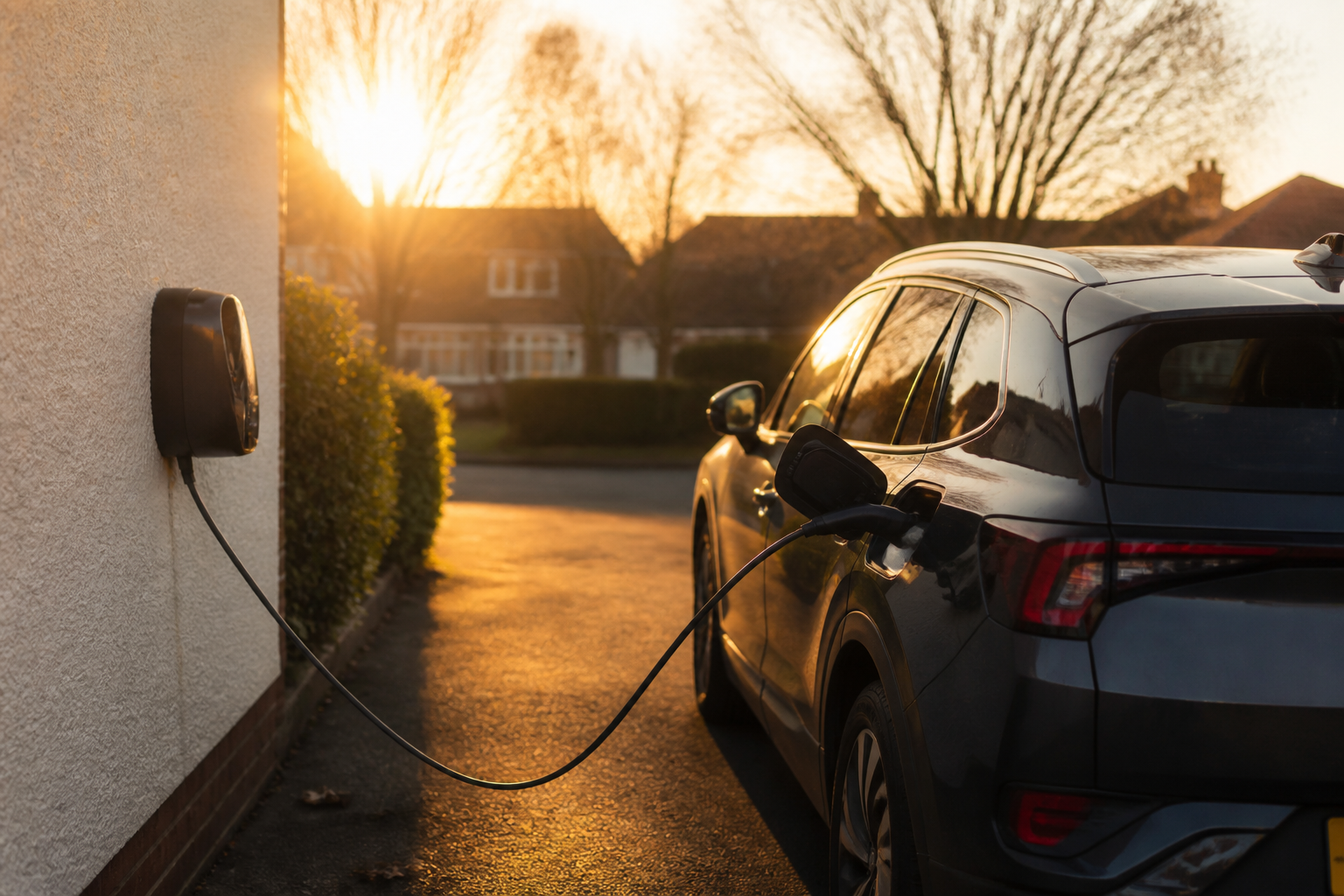
Consider the the-charge-scheme for your vehicle. Charger installations often require communication with the distribution network operator. If you plan to add a heavy-duty charger, your connection request might be flagged if the local substation is heavily loaded. The same principles of grid transparency apply here as they do for solar or heat pump installations.
The data is clear. Renewables provided a high percentage of our needs as of mid-2026, but the infrastructure is the bottleneck. The newsroom provides updates on how these national shifts influence local outcomes. By staying within the capacity limits, you reduce the risk of your application being held in the non-viable project queue.
Be patient with the formal processes. While the queue is currently large, the reform agenda is designed to improve the experience. Ensure all your documentation is precise and that your chosen installer is experienced with the current Ofgem requirements for demand connections.
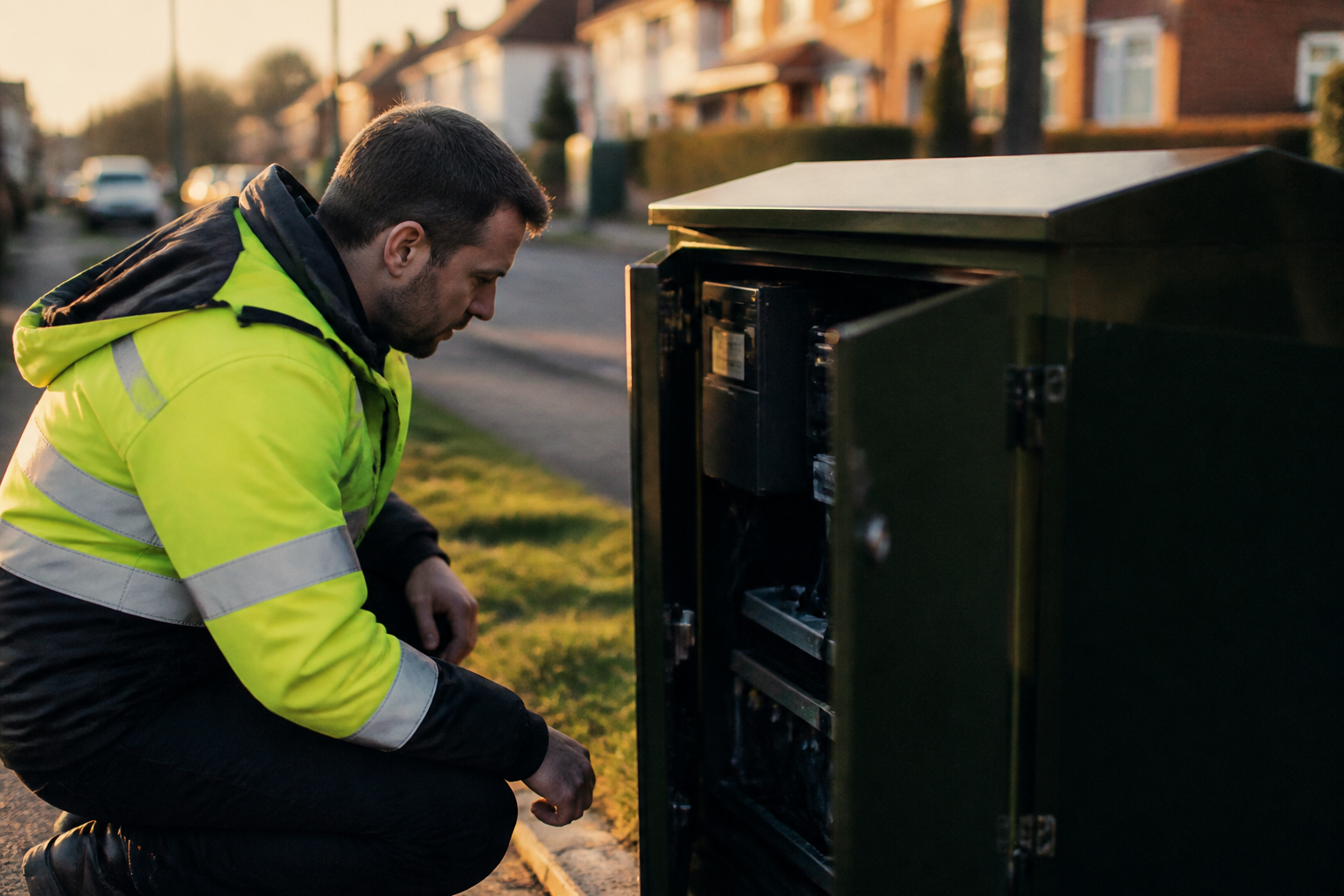
It is also vital to verify the 'DNO capacity check' results early. An installation may look viable on paper, but if the local street-level wiring is already at its thermal limit, a simple EV charger could be rejected until the distribution network is upgraded. Requesting a site-specific consultation from your DNO, often facilitated by your installer, is the only way to gain full certainty before committing to large capital expenditures.
The presence of non-viable projects acts as a blocker to ready-to-go installations, causing delays for those in the queue.
Managing risk in household energy decisions
Every installation involves a degree of risk regarding connection timelines. Use the the-net-zero-home-scheme to understand the full scope of your potential upgrades. A comprehensive plan accounts for both the hardware and the regulatory hurdle. If your home requires a high power draw, consult with a specialist who understands the latest connection rules.
The contact process allows you to discuss these constraints before you make a significant commitment. Financial resilience is also a factor, as discussed in our Supporting employee financial resilience amid rising costs article. Do not assume that because the technology is available, the connection is guaranteed. Always secure a connection agreement before purchasing expensive hardware that relies on high-capacity output.
The goal of the national strategy is to create a secure, flexible energy system. As a participant, you contribute to this goal by choosing hardware that aligns with current grid capabilities. By keeping your requirements realistic, you support the broader effort to clear the connection queue and improve the experience for all users.
Questions people ask
- What is the difference between a G98 and a G99 grid connection?
- G98 covers smaller, standard domestic hardware like residential solar panels. It uses a simplified notification process. G99 is for larger or more complex setups that exceed standard capacity limits. These require formal prior approval from the Distribution Network Operator, which may be subject to longer wait times depending on local grid capacity.
- Why does my home energy hardware need a grid connection check?
- The local electricity network has a fixed capacity for power export and import. Adding equipment like a high-output the-charge-scheme or a heat pump increases load. DNOs must ensure that adding your hardware does not overload the local transformer or wiring, which could cause power quality issues or potential blackouts for your neighbours.
- How can I avoid the long queue for a new energy connection?
- To minimise delays, opt for hardware sized precisely to your actual usage needs rather than over-specifying. Use installers who are familiar with local grid constraints and ask them to perform a pre-application check. Often, keeping your total demand below certain thresholds allows for a standard, faster connection pathway under current regulatory reforms.
- Does renewable energy growth mean I can always connect my hardware?
- Not necessarily. While renewables account for 47.1% of the national mix as of mid-2026, the bottleneck is often at the local distribution level. National generation growth does not automatically upgrade your local street-level substation. You must confirm that your local area can handle the specific power draw or export of your planned equipment.
Keep reading
UK energy price regulation
Understanding the October 2026 energy price cap

UK electricity grid infrastructure
UK electricity generation and the clean power shift
electric vehicle charging guidance
Practical steps for managing your electric vehicle charging

Employee financial wellbeing metrics
Supporting employee financial stability with data

Home solar energy generation
Trends in domestic rooftop solar adoption for 2026

Home heating technology update
Deciding on domestic heat pump installation

employee reward strategy analysis
Optimising personal reward strategy with salary sacrifice

electric vehicle market trends
Electric vehicle adoption and the ZEV mandate

Business travel expense strategy