

Household energy price management
Managing your rising household energy bills
Practical steps to understand and manage your energy costs as Ofgem confirms a price cap increase this October.
 Gaurav AhluwaliaMarketing Director
5 min readUpdated
What matters here
- Ofgem confirms a four per cent price cap increase starting this October.
- Fixed-term tariffs remain a potential option for households seeking price stability.
- Efficiency measures can lower total consumption to mitigate impact of unit costs.
The October energy price outlook
Ofgem has confirmed that the energy price cap will increase by four per cent starting from 1 October. This adjustment arrives as households prepare for the onset of colder weather. The increase is largely attributed to higher wholesale gas prices linked to international supply chain pressures. This marks a three-year high for energy costs, representing a rise of sixty pounds per year for a typical household using standard gas and electricity volumes. Further details on these cost pressures can be found in our insight archive.
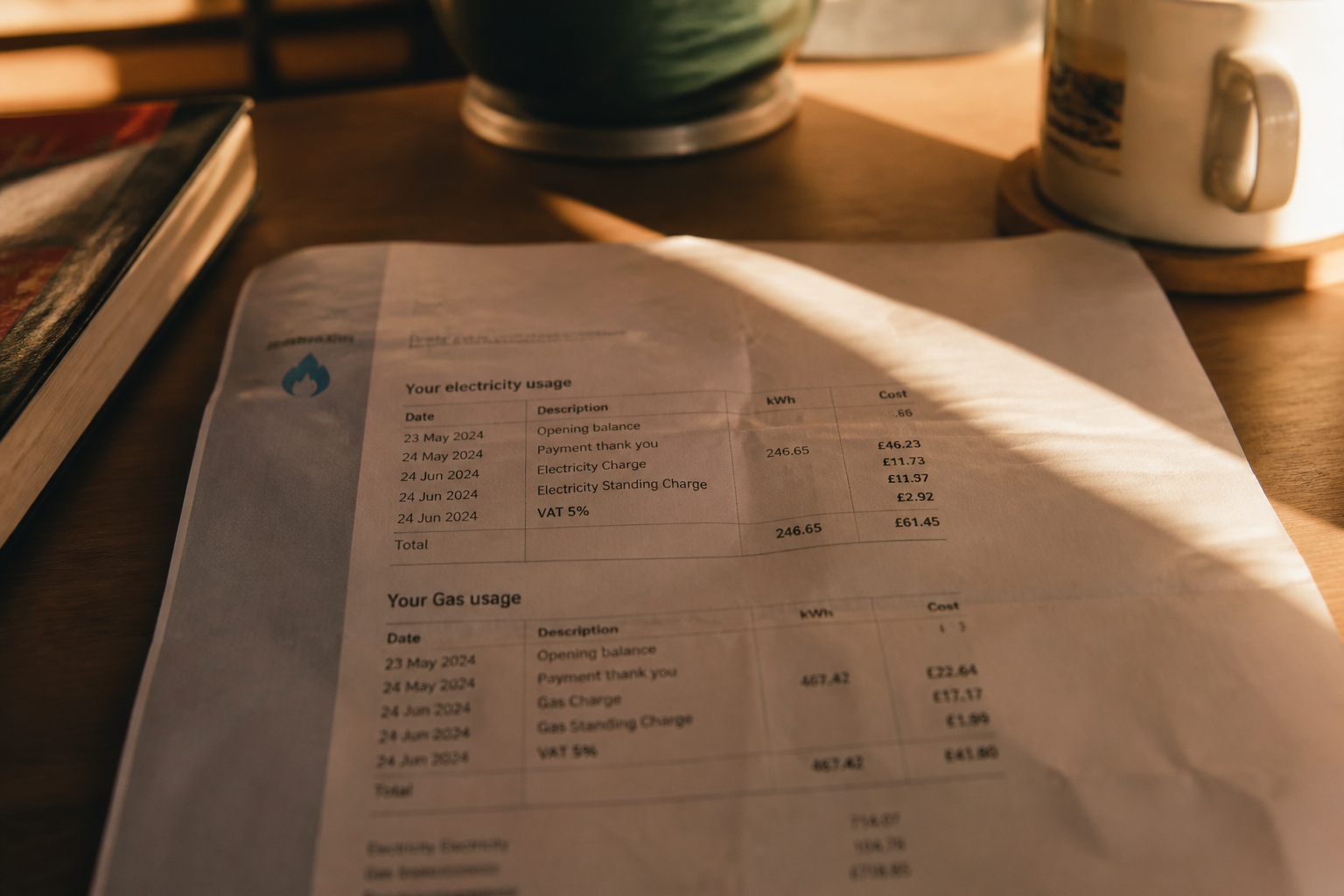
While price caps are revised quarterly to reflect market realities, they do not shield consumers from the upward trend in wholesale costs. Understanding that prices have remained significantly above pre-crisis levels is essential for household budgeting. The House of Commons Library notes that although domestic prices have retreated from their 2022 peaks, they continue to be influenced by regional variations and the method of payment selected by the consumer. Households on prepayment meters often see different standing charges compared to those paying via direct debit, which can lead to significant variances in total annual costs even under the same price cap.
It is important to recognise that the price cap is not a cap on your total bill, but a limit on the unit rates and standing charges that suppliers can set. If you use more energy, your bill will increase accordingly, irrespective of the cap level. Analysts suggest that global market volatility remains the primary driver, and residents should prepare for continued quarterly fluctuations in the near term.
Assess your current energy tariff
Your first step is to review your current tariff structure. Not every household is tied strictly to the Ofgem price cap. More than one third of households are currently on fixed-term tariffs, which remain outside the cap. If you are on a standard variable tariff, you will be subject to the full impact of the price adjustment in October.
Take time to log into your energy supplier account to check your current plan. Determine whether you are nearing the end of a fixed-term contract or if you are on a variable rate. If you are reaching the end of a fixed deal, examine the new offers available to you. Some fixed tariffs currently offer rates that sit below the price cap, providing a buffer against the quarterly revisions mentioned by Ofgem. Always review the exit fees attached to any new contract, as these can negate the benefits of a cheaper rate if you intend to switch again before the term expires.
When switching, verify that the unit rates are competitive across both gas and electricity. Some suppliers offer dual-fuel discounts, which may lower your costs if your home relies on both commodities. However, ensure you are comparing these against your specific annual consumption profile, as advertised savings are often based on average national usage, which may differ from your actual energy requirements.
Monitor your monthly consumption
Price caps affect the unit rate you pay for gas and electricity. Controlling your total bill requires a clear view of your usage. Regularly submitting manual meter readings ensures that your supplier bills you based on actual consumption rather than estimated usage. This simple act prevents unexpected adjustments to your direct debit payments later in the year.
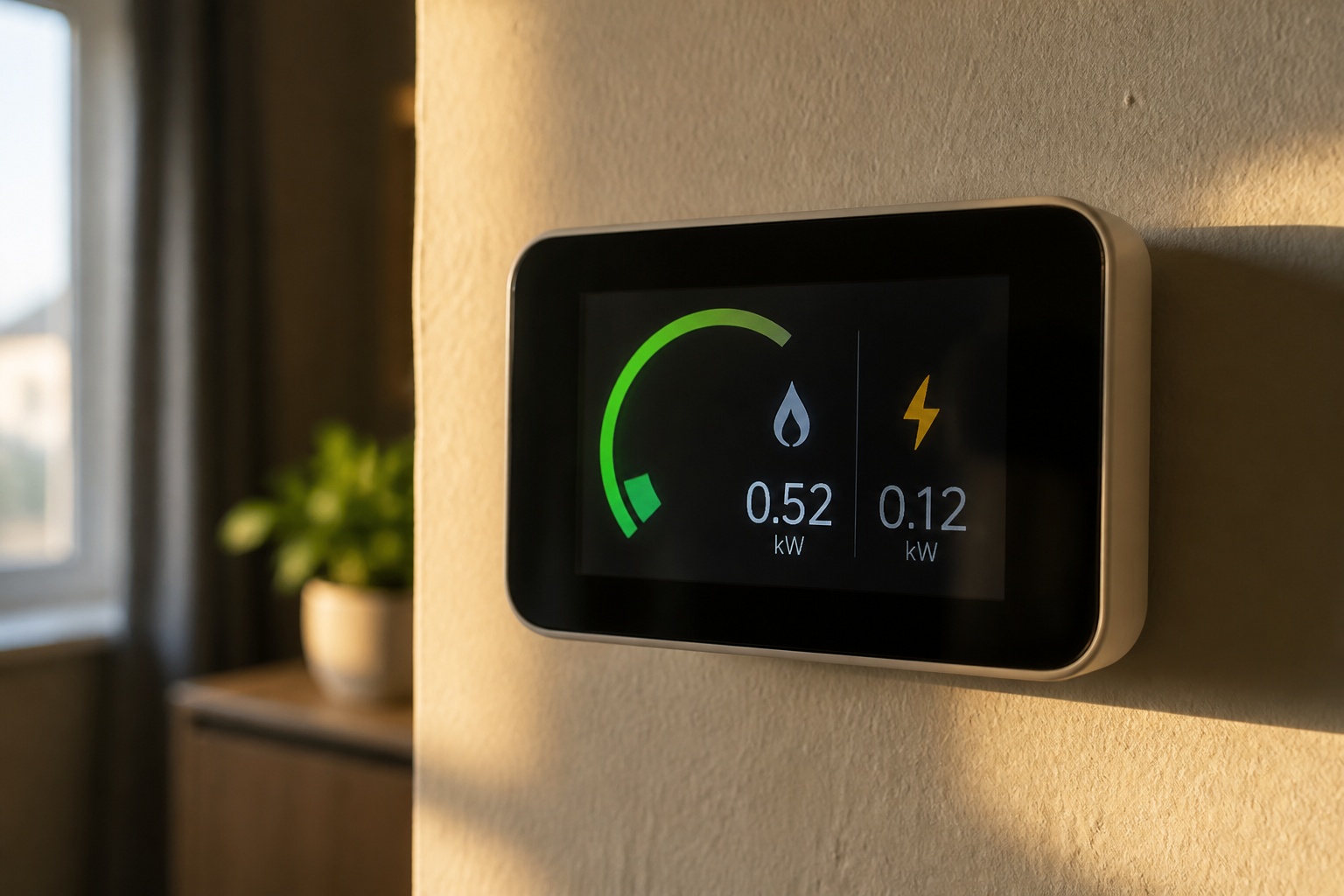
If you use smart meters, check the in-home display frequently. This provides real-time data on how different appliances affect your daily spend. Identifying energy-intensive habits, such as running high-load appliances during peak price hours, allows you to shift usage to off-peak times if your tariff supports it. Efficiency is the most immediate tool you have to mitigate the rise in unit costs.
Consider the cumulative effect of 'vampire' devices, which draw power even when in standby mode. By using smart plugs or simply switching off appliances at the wall, you can reduce this baseload. Many households find that tracking their usage helps them identify spikes linked to specific routines, such as morning heating cycles or evening cooking periods, enabling targeted behavioural changes.
Identify long-term efficiency upgrades
Beyond monthly behaviour, the physical efficiency of your home determines your baseline energy demand. Older properties often suffer from heat loss, meaning your heating system works harder to maintain a stable temperature. Investigating the thermal performance of your home can provide a route to lower bills in the long term. You can explore how specific technologies, such as The Heat Pump Scheme, can permanently reduce reliance on traditional boilers.
Consider if structural improvements are necessary. This includes looking at insulation, cavity wall filling, or upgrading glazing. While these upgrades represent a significant initial decision, they are designed to permanently alter your home's energy consumption profile. Reducing the demand for energy is often more effective than simply finding the best price for the energy you consume.
Reviewing the Net Zero Home Scheme can provide insight into how holistic retrofits are structured. Small interventions, such as draught-proofing windows and doors, are low-cost but yield immediate results. Larger investments, such as installing solar photovoltaic panels, might be further supported by The Solar Scheme, which can assist in generating a portion of your electricity, thereby reducing your exposure to grid price increases.
Engage with available government support
The government has introduced targeted measures to manage the pressure on household finances. For example, recent cuts to VAT on electricity bills are designed to assist in reducing the total cost burden. Keep an eye on official announcements regarding further support or guidance as the winter period approaches. These initiatives are designed to provide a degree of relief during periods of rising wholesale costs.
If you find yourself struggling with energy debt, contact your supplier immediately. Suppliers have established protocols for customers facing financial difficulty. They are required to assist with payment plans and can offer guidance on accessing external support schemes. Transparency with your energy provider is a critical part of managing financial stability in a high-price environment.
Be aware of the Cold Weather Payment and Winter Fuel Payment schemes, which provide assistance to eligible households during the coldest months. Check your eligibility through government portals, as criteria can change annually. Engaging early ensures you are included in any local authority support funds or supplier hardship grants before resources are fully allocated.
Managing energy demand through technology
In addition to structural changes, integrating smart technology can help manage consumption dynamically. Modern thermostats allow for room-by-room heating control, preventing the heating of unoccupied spaces. Many homeowners are also looking at how How home heat pumps operate and the current market outlook can improve their energy footprint, as these systems run more efficiently at lower temperatures than traditional fossil fuel boilers.
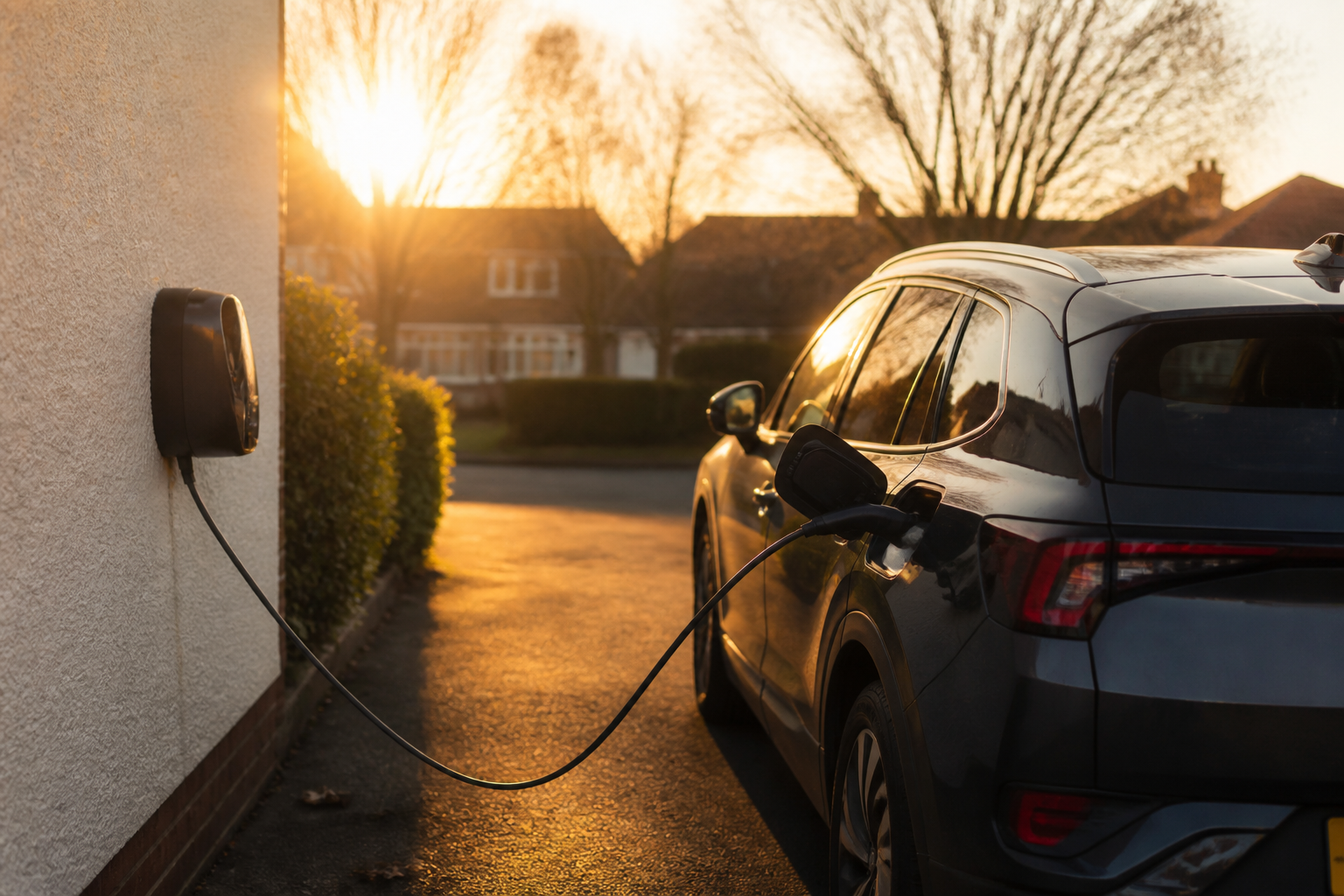
Technological management also extends to transport. If your household relies on electric vehicles, understanding how to manage charging loads is essential. You can consult our insight on costs or review The Electric Car Scheme if you are considering transitioning your vehicle. Smart charging allows you to pull power during off-peak windows when the unit rate is often significantly cheaper than the standard daytime tariff.
Finally, ensure your appliances are rated appropriately. Replacing older, inefficient white goods with modern, high-energy-rating alternatives can reduce your electricity demand by a noticeable margin over several years. While the upfront cost is high, the reduction in kilowatt-hour consumption directly mitigates the impact of rising price caps.
Questions people ask
- How can I check if I am paying more than the average household?
- Compare your annual statement against the typical consumption figures provided by Ofgem. If your usage is significantly higher, examine your home's thermal efficiency. You may benefit from exploring our schemes to reduce baseline demand. Always ensure your annual consumption estimate is based on actual meter readings rather than supplier estimates.
- Should I switch to a fixed tariff before October?
- Fixed tariffs offer price certainty, protecting you from future cap increases for the duration of the contract. However, ensure the rate is competitive compared to the new price cap. Check if your supplier offers exit fees and whether the fixed rate is lower than the projected variable rates for the next twelve months.
- What should I do if I cannot afford my energy bill after the October increase?
- Contact your energy supplier immediately. They are required to offer payment plans and access to hardship funds for those in financial difficulty. Do not wait until you miss a payment, as early communication provides more options for managing arrears and prevents the accumulation of late fees.
- Are smart meters necessary for managing costs?
- Smart meters allow for real-time monitoring and accurate billing, eliminating estimated charges. They are essential for accessing time-of-use tariffs that reward energy consumption during off-peak hours. While not mandatory, they provide the visibility required to make informed decisions about your energy usage and to identify high-consumption appliances in your home.
Keep reading
UK energy price regulation
Understanding the October 2026 energy price cap

Home solar energy generation
Trends in domestic rooftop solar adoption for 2026

UK electricity grid infrastructure
UK electricity generation and the clean power shift

Employee financial wellbeing metrics
Supporting employee financial stability with data

Home heating technology update
Deciding on domestic heat pump installation

employee reward strategy analysis
Optimising personal reward strategy with salary sacrifice
electric vehicle charging guidance
Practical steps for managing your electric vehicle charging

Business travel expense strategy
Deciding between business mileage claims and salary sacrifice

electric vehicle market trends