

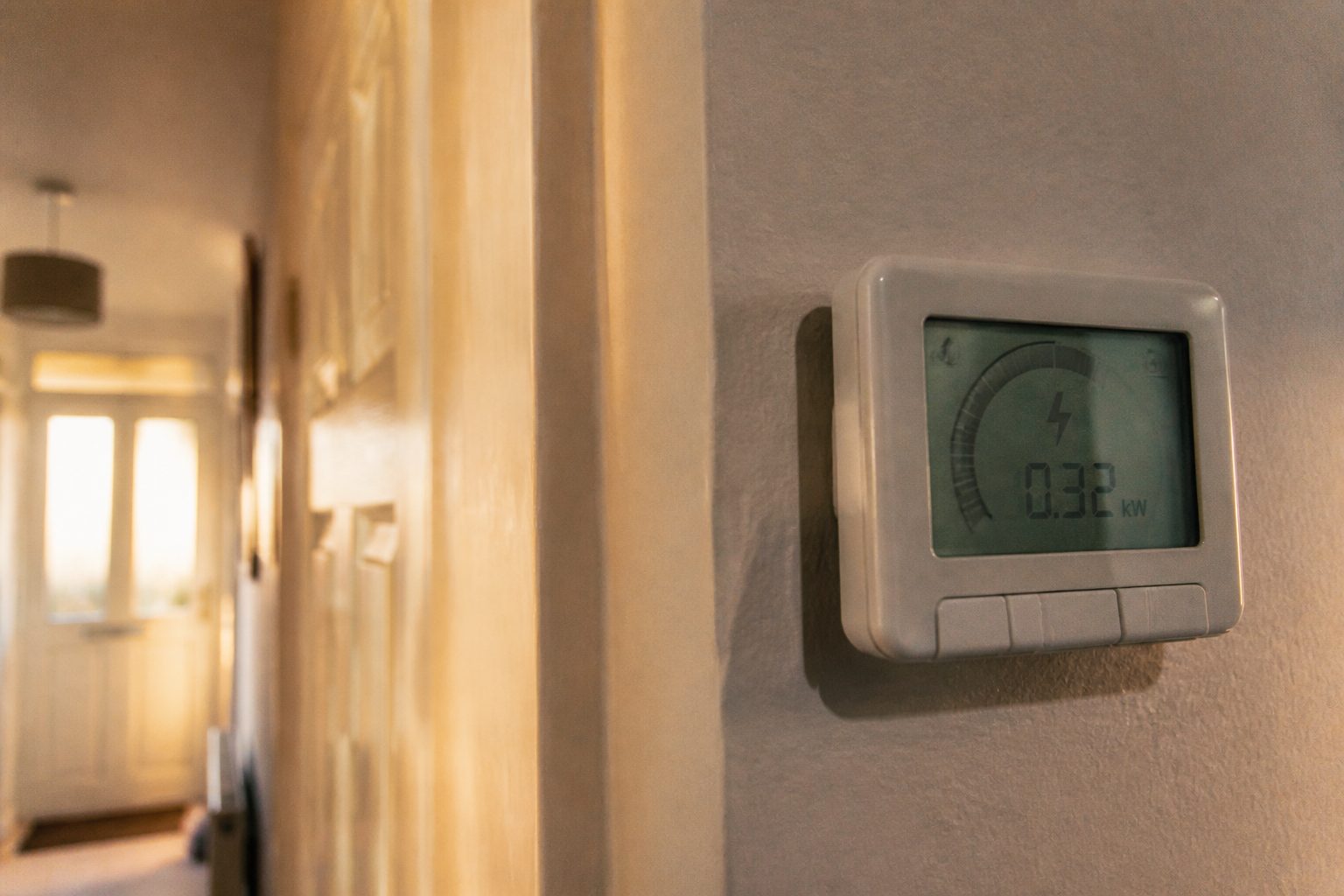
UK domestic energy costs
Understanding the October energy price cap rise
Ofgem has announced a 4% rise to the energy price cap from October. Learn what this means for households and how to navigate changing energy costs.
 Natalie IzzardHead of Partnerships
5 min readUpdated
What matters here
- The Ofgem price cap will increase by 4% starting 1 October 2026.
- This rise adds approximately £60 per year for a typical household.
- Fixed-rate tariffs currently protect around 35% of households from this adjustment.
In short
From 1 October 2026, the energy price cap will rise by 4% to £1,723 for a typical household. This increase, driven by higher wholesale gas costs, equates to an additional £60 per year for those on default tariffs. However, approximately 35% of households remain on fixed-rate plans and will not see an immediate change to their bills.
The impact of this adjustment varies significantly based on individual tariff arrangements and regional distribution networks. While the £60 increase serves as a baseline, households with higher-than-average consumption will experience a larger absolute impact. For those concerned about rising costs, managing energy usage through our schemes can provide a structural approach to decoupling expenditure from wholesale market volatility.
The mechanics of the energy price cap
The energy price cap is a regulatory mechanism designed to limit the maximum rates and standing charges that suppliers can apply to default tariffs. Managed by Ofgem, the cap is updated every three months. This frequency is intended to reflect the shifting underlying costs of purchasing and supplying energy on the wholesale market. The current cap is set at £1,663 for a typical household, but this will rise to £1,723 from October 2026.
It is helpful for internal teams to note that the cap does not set a limit on the total bill a household pays, but rather the unit rate and standing charge. Total costs remain linked to individual usage. If a household consumes more energy than the average, their bill will exceed these figures. Regional variations also exist, meaning geographic location remains a factor in final costs.
When Ofgem calculates the cap, it includes the cost of wholesale energy, network costs, operating costs, and VAT. The standing charge, which is a fixed daily fee for being connected to the grid, is often the most contentious component. Even if a household uses zero energy, the standing charge ensures the bill remains above zero, highlighting why energy efficiency measures are so critical for long-term budget stability.
Understanding the October 2026 adjustment
The 4% increase scheduled for October 2026 follows sustained pressure on global energy supplies, specifically attributed to the impact of the Iran war on wholesale gas prices. This rise is the most recent adjustment in a market that has seen significant volatility since 2021. While prices have retreated from the peaks experienced in 2022 and 2023, the current trajectory remains elevated compared to pre-crisis levels.
For many households, this shift represents a £60 annual increase in energy costs. The government has attempted to mitigate some of this impact through a VAT cut on electricity bills, which is estimated to save the average household £45. These levers are part of the broader fiscal response to help manage the cost of living pressures as the colder weather arrives.
To manage these fluctuations, many households are investigating salary sacrifice tax and national insurance mechanics to lower their overall taxable income. Integrating energy efficiency into personal finance planning, such as using The Net Zero Home Scheme, allows employees to reduce their total reliance on grid energy, mitigating the impact of these quarterly price adjustments.
| Metric | Pre-October 2026 | From 1 October 2026 |
|---|---|---|
| Typical annual bill | £1,663 | £1,723 |
| Annual increase | N/A | £60 |
| Monthly increase | N/A | £5 |
Figures based on typical domestic consumption as reported by Ofgem on 26 August 2026.
Fixed tariffs versus default rates
A critical detail for those assessing financial wellbeing is that the price cap is not universal in its application. Approximately 11 million households, or 35% of the total, are currently on fixed-term energy tariffs that sit outside the scope of the Ofgem cap. For these households, the October adjustment will not result in an immediate change to their unit rates or standing charges.
This split in the market creates two very different experiences for households. Those on default tariffs move with the quarterly cap updates, while those on fixed deals lock in their rates for a set duration, usually 12 to 24 months. Sustainability leads should keep this in mind, as employees may be experiencing vastly different financial outcomes depending on when they last switched their energy provider.
However, fixed tariffs often come with a premium to account for supplier risk. If the wholesale market price drops during a fixed contract, these households may find themselves paying significantly more than the prevailing price cap rate. Understanding the terms of one's contract is essential for payroll planning, as discussed in our analysis of household debt cycles and payroll planning.
Approximately 35% of households are on fixed tariffs and will not be affected by this rise.

| Tariff Type | Price Cap Coverage | Impact of October Rise |
|---|---|---|
| Default/Variable | Yes | Increased rates apply |
| Fixed-term | No | Rates remain unchanged |
| Standard Credit | Yes | Increased rates apply |
Data based on Ofgem's report regarding the October 2026 price cap adjustment.
Broader trends in household energy pricing
Beyond the quarterly cap, it is useful to track the long-term direction of energy pricing in the UK. Research from the House of Commons Library indicates that while prices have decreased from their peak, they remain significantly above the levels seen before 2021. Electricity prices in the UK are currently among the highest in the EU, recorded at 26.1p/kWh, representing a 1.5% increase over the last year.
This structural elevation in electricity costs is prompting many households to look closer at their home energy efficiency. Reducing the total kilowatt-hours consumed through improved insulation, solar generation, or heat pump adoption is becoming a central strategy for managing bills. These measures allow households to decouple their expenditure from the volatile wholesale gas prices that often drive the default tariff cap.
Further reading on myths and facts about the UK electricity grid can help households understand the transition from gas-dependent systems. Utilizing The Heat Pump Scheme or The Solar Scheme represents a significant shift in managing domestic utility costs away from the volatility of international fuel markets.

Strategic responses for households and employers
Given the persistent volatility of the energy market, both employers and employees must look beyond simple tariff switching. Strategy now focuses on reducing the total energy demand of the household unit. This involves a dual approach: optimizing current consumption patterns and investing in capital-intensive efficiency measures that provide long-term protection against cap increases.
Employers are increasingly looking for ways to support their workforce during these transitions. By providing access to The Electric Car Scheme, companies can help employees manage their transport costs more effectively, effectively buffering the impact of rising domestic energy costs. When combined with onsite efficiency upgrades, these initiatives create a more resilient financial profile for the modern household.
For more detailed data on the broader economic context, you can review our insight section or contact us directly at contact us. Understanding these trends is a core part of how we evaluate the effectiveness of our current intervention models and our impact on national energy consumption.
Questions people ask
- Does the energy price cap apply to fixed-rate deals?
- No, the energy price cap only applies to default tariffs, often called standard variable tariffs. If a household is currently on a fixed-rate energy plan, their rates are protected from the Ofgem cap updates for the duration of their contract. Once the fixed term expires, they will typically default to the cap rate unless a new deal is signed.
- Why does my bill keep rising if I am using less energy?
- The energy price cap regulates the unit rate per kWh and the daily standing charge, not the total bill amount. If global wholesale prices remain high, the cap levels are adjusted upward. Even with lower individual consumption, rising unit rates can lead to an overall increase in your energy expenditure compared to previous billing cycles.
- How can I protect my household from future energy price cap increases?
- Long-term protection is best achieved by reducing your reliance on grid-supplied electricity and gas. Installing energy efficiency measures such as solar panels or heat pumps, which are supported by our schemes, can decrease your total kilowatt-hour usage. Lowering your overall demand serves as a buffer against the quarterly adjustments made by Ofgem to the default energy tariff.
- What should I do if I cannot afford my energy bills after the October rise?
- If you are struggling, contact your energy supplier immediately to discuss payment plans or hardship funds. You may also qualify for government support, such as the Warm Home Discount or local authority schemes. Ensuring you are on the best tariff and tracking your consumption can help, alongside exploring household debt cycles and payroll planning for potential assistance.
Keep reading
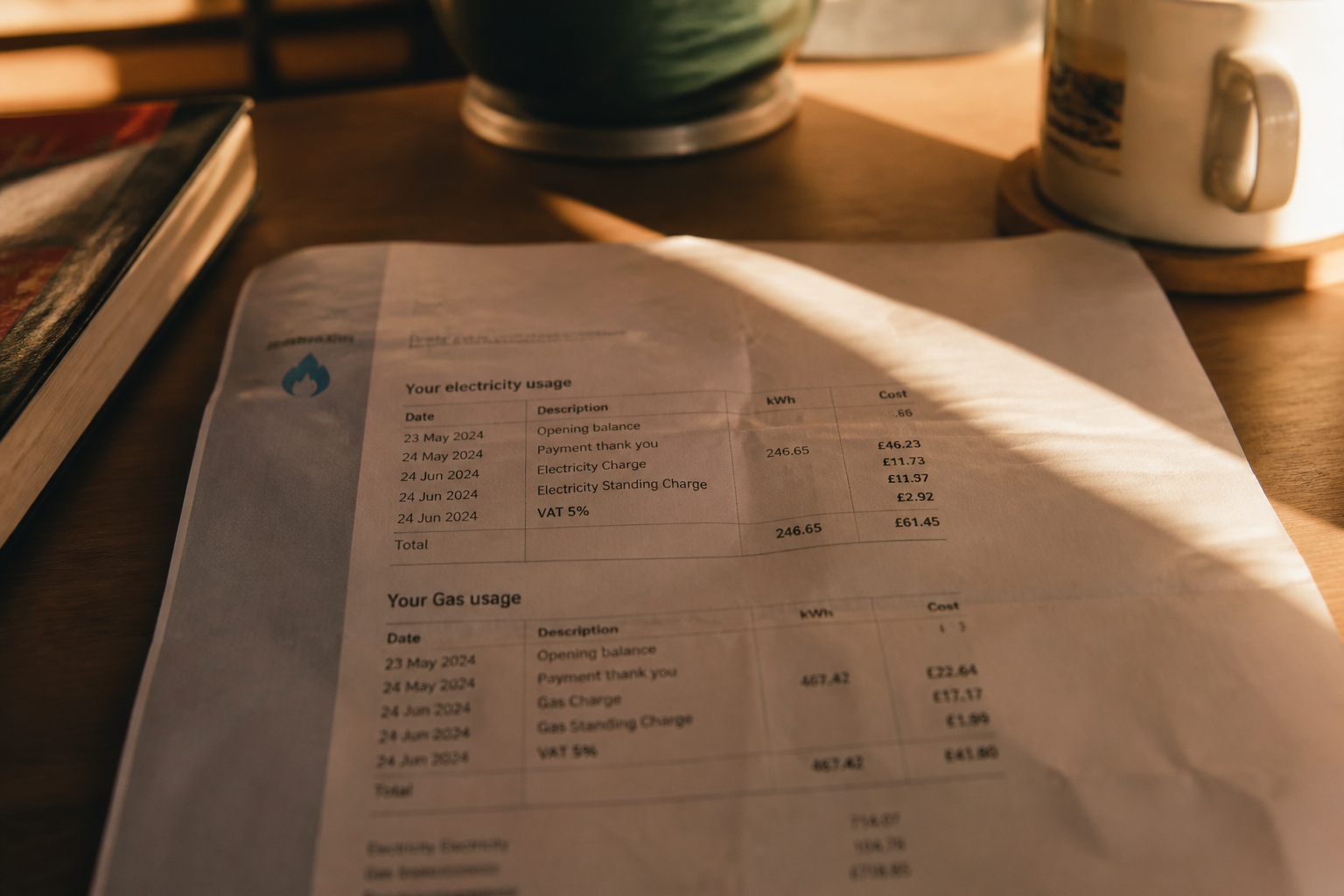
UK energy price regulation
Understanding the October 2026 energy price cap

Home solar energy generation
Trends in domestic rooftop solar adoption for 2026

UK electricity grid infrastructure
UK electricity generation and the clean power shift

Employee financial wellbeing metrics
Supporting employee financial stability with data

Home heating technology update
Deciding on domestic heat pump installation

employee reward strategy analysis
Optimising personal reward strategy with salary sacrifice
electric vehicle charging guidance
Practical steps for managing your electric vehicle charging

Business travel expense strategy
Deciding between business mileage claims and salary sacrifice

electric vehicle market trends