

Home heating technology update
How home heat pumps operate and the current market outlook
An analysis of heat pump mechanics and the latest developments in domestic heating technology and government support for UK households.
 Alison DavidsonHead of Finance
5 min readUpdated
What matters here
- Heat pumps use refrigeration cycles to extract heat from outside air.
- Grid stability requirements may lead to remote output management.
- Installation growth has slowed following changes to support.
In short
A heat pump works by extracting thermal energy from the air or ground and concentrating it for domestic heating. It uses a compressor and refrigerant cycle, functioning much like a reverse refrigerator. While efficient, the system relies on steady electricity input. Recent policy indicates that suppliers may gain the ability to remotely restrict output during peak demand to ensure grid stability.
For many households, the transition represents a fundamental shift in energy procurement and management. Unlike traditional boilers that provide instant high-grade heat, heat pumps operate as a constant, low-temperature heating solution. Understanding this nuance is critical for homeowners and organisations looking to leverage our schemes to facilitate sustainable transitions.
The mechanical process of heat pumps
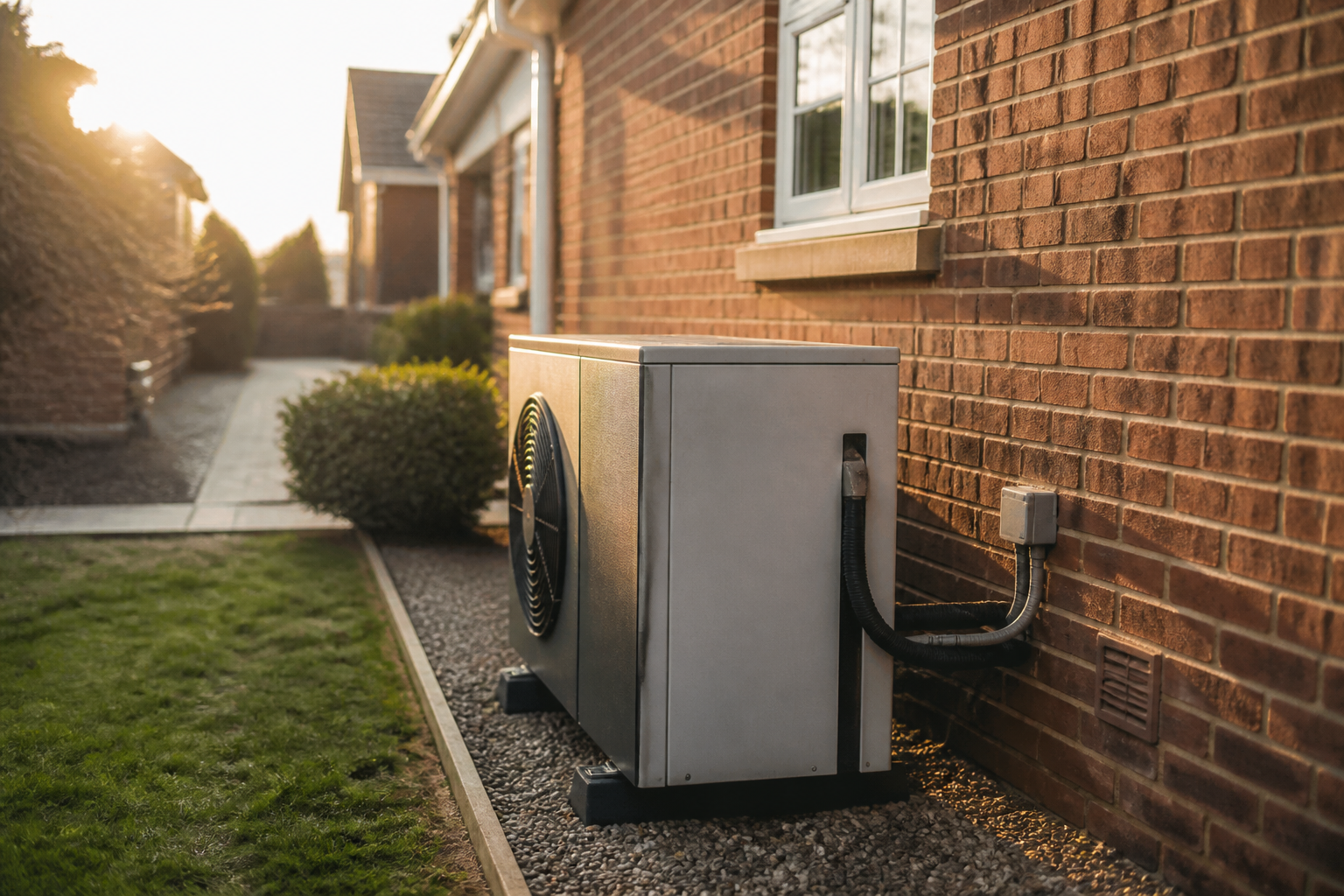
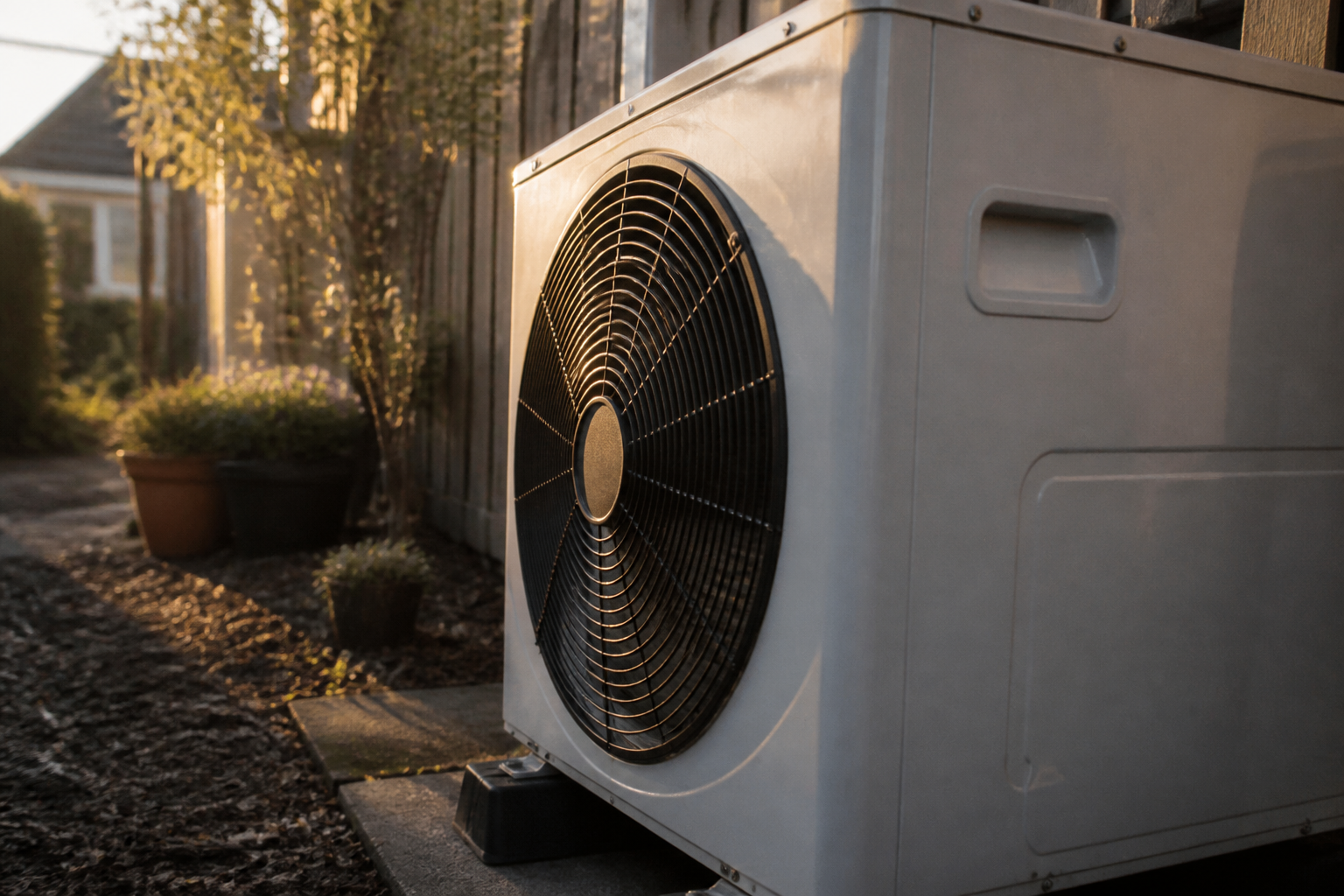
A heat pump transfers heat rather than creating it through combustion. The process begins with an outdoor unit containing a fan that draws in air. This air passes over an evaporator coil filled with a liquid refrigerant. The refrigerant has a low boiling point and turns into a gas by absorbing thermal energy from the ambient air, even on cold days.
A compressor then increases the pressure of the refrigerant gas, which significantly raises its temperature. This hot gas travels to a heat exchanger or condenser within the home. Here, it releases the heat into the building's water circuit, which feeds radiators or underfloor heating. As the heat is transferred, the refrigerant cools and returns to a liquid state, restarting the cycle.
The physics of the system relies on the latent heat of evaporation. Even when ambient air temperatures are low, the temperature differential between the refrigerant and the external air is sufficient to facilitate heat exchange. It is vital to note that these systems function effectively down to specific thresholds, below which supplementary electric heating elements may be required to maintain desired indoor temperatures.
Efficiency and electricity usage
The primary metric for heat pump performance is the Coefficient of Performance. A system with a COP of 3.0 produces three units of heat for every single unit of electricity consumed. This makes heat pumps significantly more efficient than traditional gas boilers, which typically operate at less than 100 percent efficiency due to flue heat loss.
Finance directors should note that the efficiency of these systems is dependent on the heat distribution method. Larger radiators or underfloor heating systems operate at lower temperatures, which allows the heat pump to work more effectively. This creates a lower cost per unit of warmth, though it requires a higher initial capital expenditure for the installation compared to a standard replacement boiler.
Operational efficiency is also impacted by the building's heat loss profile. High insulation standards ensure that the thermal energy captured by the heat pump is retained, reducing the workload on the compressor. When evaluating installations through The Heat Pump Scheme, it is prudent to factor in the total cost of ownership including necessary fabric improvements.
| System Type | Typical Efficiency | Fuel Source |
|---|---|---|
| Gas Boiler | 85 to 94% | Methane |
| Air Source Heat Pump | 300 to 400% | Electricity |
Efficiency figures represent representative industry standards for modern, well installed residential systems.
Grid integration and remote management
As the adoption of electrified heating increases, the load on the national grid changes. Recent developments indicate that energy firms could be allowed to reduce heat pump output during periods of peak demand to protect the electricity network. According to reports published on 20 July 2026, the government is considering measures that would allow suppliers to remotely restrict household heat pump usage.
This policy, mentioned in a newsroom update regarding energy infrastructure, aims to prevent local grid saturation. For households, this means that while heat remains available, the intensity or timing of the draw from the grid may be managed by providers. This is a pragmatic step to maintain grid reliability as more homes move away from fossil fuel boilers.
Integration with smart meters allows these systems to communicate with network operators. This demand-side response mechanism is designed to balance grid stability without compromising occupant comfort during standard operational hours. Homeowners should consult Myths and facts about the UK electricity grid to understand the technical realities of this infrastructure management.
Energy firms could be allowed to remotely restrict household heat pump output during periods of peak demand to ensure grid stability.
Market adoption trends and support
The growth of heat pump installations has fluctuated based on available government support. Installations grew by 7 percent last year, compared to a 56 percent increase in 2024, as noted in data released on 24 June 2026. This slowdown suggests that installation volumes are highly sensitive to the presence of incentives and the clarity of policy.
For finance departments planning long term budgets, this trend reflects a period of adjustment. The UK government continues to seek a balance between subsidising the high upfront costs of heat pumps and managing the fiscal burden. Understanding about these market conditions helps businesses anticipate when their staff might express greater interest in The Net Zero Home Scheme as a way to manage rising costs.
Market volatility is often attributed to the shifting landscape of grant availability. As seen in recent reporting, the reduction of financial support has direct correlations with installation rates, highlighting the role of external subsidies in overcoming the 'green premium' of modern heating technology.

Cost drivers for installation
The cost of a heat pump installation is comprised of the unit price, necessary plumbing upgrades, and electrical service modifications. Because heat pumps output lower temperature water, existing radiators may need to be replaced with larger, high surface area versions to heat a room effectively. Failing to upgrade these components leads to inadequate heating and higher electricity consumption.
Labour remains a significant factor in total project costs. The complexity of retrofitting a building requires specialist installers who understand the thermodynamics of the specific property. As explored in our insight section on Trends in domestic energy installation workforce capacity, the availability of these skilled engineers directly affects the timeline and price points for installation projects.
Successful retrofits often involve a holistic approach. Beyond the hardware, costs are frequently driven by system design, which requires an accurate Heat Loss Calculation. Skipping this survey phase typically leads to oversized or undersized units, both of which degrade long-term performance and increase operational expenditure for the end user.
| Cost Category | Impact Level | Budgetary Priority |
|---|---|---|
| Heat Pump Unit | High | Primary |
| Radiator Upgrades | Medium | Secondary |
| Labour and Install | Medium | Secondary |
Cost priorities are illustrative based on standard retrofitting requirements.
Risk assessment for finance teams
Finance teams evaluating the risk of domestic energy projects should consider the shift toward electricity reliance. If a property is not well insulated, the increased demand during cold spells may lead to higher running costs, even with a highly efficient heat pump. Investing in fabric efficiency, such as improved loft insulation or double glazing, is often the most cost effective first step.
The potential for remote output management by energy suppliers is a factor to consider in the operational risk profile. While this ensures grid stability, it implies that heating schedules may become linked to grid demand. Aligning home energy strategy with Salary sacrifice tax and national insurance mechanics can provide a structured way for employees to manage these upfront capital costs.
Companies providing staff benefits should also consider the broader implications of energy volatility. Monitoring fluctuations in the energy market and their impact on household bills is essential for robust long-term financial planning.
Questions people ask
- Are heat pumps suitable for all UK homes?
- Heat pumps perform best in properties with high thermal efficiency. While they can be retrofitted into older homes, these buildings often require significant insulation upgrades and larger radiators to function effectively. Without these enhancements, the electricity consumption required to reach comfortable temperatures may become prohibitively expensive for many households, particularly during prolonged cold snaps.
- Why has the growth of heat pump installations slowed recently?
- Recent data indicates that the 56 percent growth in 2024 has decelerated to 7 percent. This trend is primarily attributed to a reduction in government support and financial incentives. As installation costs remain significant, the presence of clear, consistent policy and funding schemes is essential for maintaining momentum in domestic energy adoption.
- Can suppliers really turn off my home heating?
- Recent policy proposals suggest that energy suppliers may be granted the ability to remotely limit heat pump output during times of peak grid stress. This measure is a grid stability tool intended to prevent local network saturation. It is designed to manage system load rather than disable heating entirely, ensuring grid reliability across the UK.
- How do I calculate if a heat pump is financially viable?
- Financial viability depends on the Coefficient of Performance, local electricity tariffs, and the capital expenditure of installation. You must subtract the efficiency gains of the new unit from the annual operational costs of your current boiler. When assessing The Net Zero Home Scheme, ensure you account for both hardware costs and necessary radiator or insulation retrofits.
Keep reading
UK energy price regulation
Understanding the October 2026 energy price cap

Employee financial wellbeing metrics
Supporting employee financial stability with data

Home solar energy generation
Trends in domestic rooftop solar adoption for 2026

Home heating technology update
Deciding on domestic heat pump installation

employee reward strategy analysis
Optimising personal reward strategy with salary sacrifice

UK electricity grid infrastructure
UK electricity generation and the clean power shift

electric vehicle charging guidance
Practical steps for managing your electric vehicle charging

Business travel expense strategy
Deciding between business mileage claims and salary sacrifice

electric vehicle market trends