

Home Heating Efficiency
Understanding modern domestic heat pump technology
An exploration of how modern heat pumps function, their efficiency in older homes, and current developments in grid management and residential heating.
 Alex BlairChief Technology Officer
4 min readUpdated
What matters here
- Heat pumps provide three units of heat for every single unit of electricity used.
- Modern refrigerant technology enables high temperatures suitable for older homes.
- Grid management developments allow suppliers to regulate peak electricity demand.
The basic principles of heat pump operation
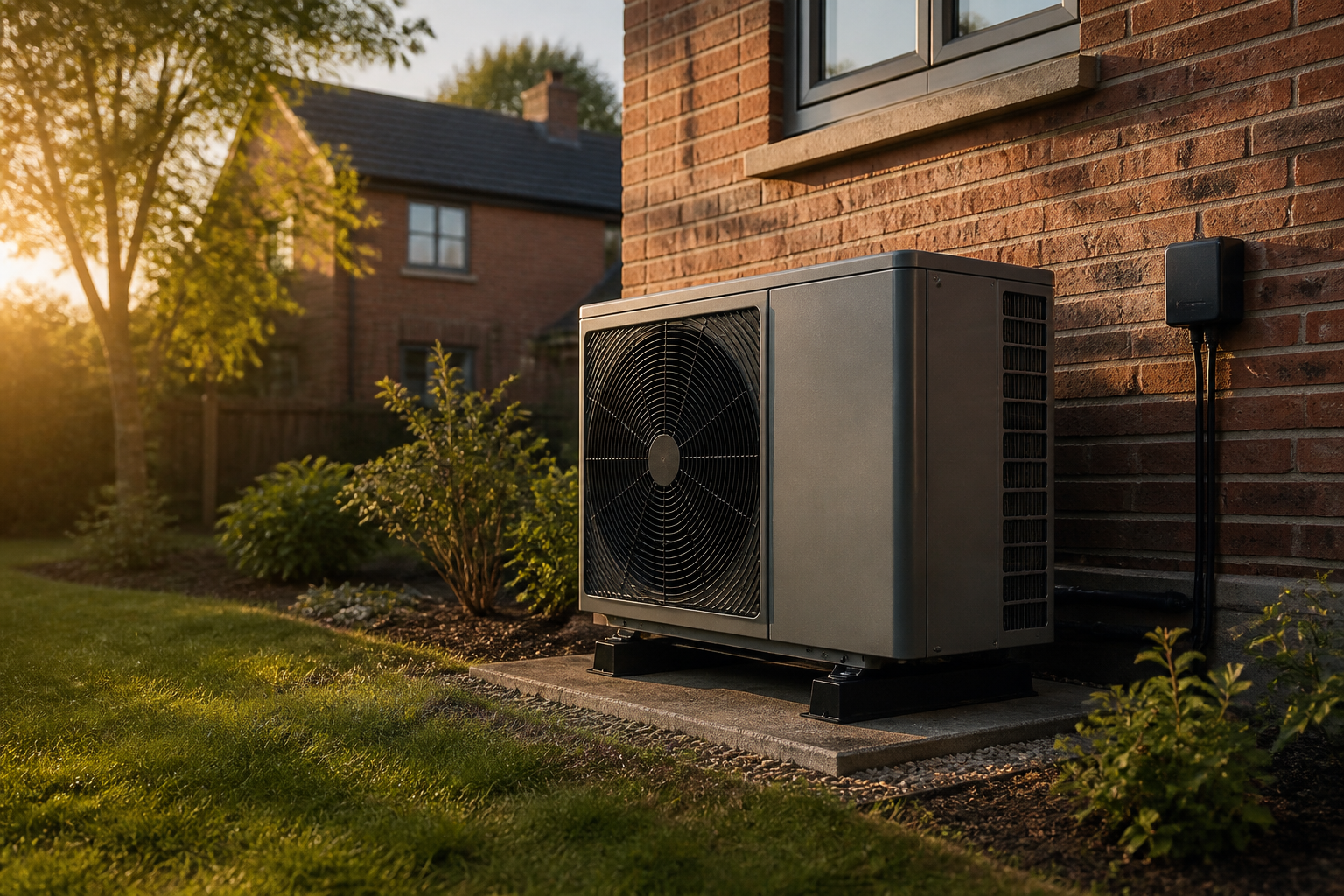
A heat pump is a device that moves thermal energy rather than generating it through combustion. In a standard UK residential setup, the system extracts heat from the outside air. Even when outdoor temperatures feel cold, the air contains significant energy that can be captured. The process begins with a fan pulling air over an external evaporator coil. This coil contains a chemical refrigerant that has a very low boiling point.
As the refrigerant absorbs the latent heat from the external air, it evaporates into a low-pressure gas. This gas is then compressed by an electric pump. The laws of thermodynamics dictate that as a gas is compressed, its temperature rises significantly. This high-temperature, high-pressure gas is then passed through a heat exchanger, known as a condenser. Here, it releases the heat into your home's water circuit for use in radiators or underfloor heating. Further details on these mechanisms can be found in our How home heat pumps operate and the current market outlook analysis.
Efficiency in the existing housing stock
A common concern for homeowners is whether this technology works in older properties. Recent industry data confirms that the retrofit challenge is a major focus for heating professionals. With almost 80 percent of UK homes built before 1980, the ability to adapt to older insulation standards is vital. Modern heat pumps are designed to be highly efficient, typically delivering around three units of heat for every unit of electricity consumed.
Technological advancements have improved the ability of these systems to provide high flow temperatures. For instance, the adoption of natural refrigerants like R290 has allowed modern units to heat water effectively even in homes that were not originally designed for low-temperature heating. This shift makes it possible to maintain comfort levels without needing a complete overhaul of an existing radiator network in many scenarios. Homeowners looking for financial support to improve their home energy efficiency can explore options through our schemes.
The role of grid management
As the density of heat pump installations increases, the management of the electrical grid becomes a technical priority. In July 2026, reports indicated that energy firms could be permitted to remotely reduce heat pump output during periods of peak grid stress. This mechanism is designed to prevent local network overloading and ensure stability during times of exceptionally high demand.
This is an operational feature of the modern smart grid. By managing the load from thousands of domestic units simultaneously, energy suppliers can maintain a reliable supply across the national network. For the homeowner, this often occurs in the background and is managed through smart connectivity built into the system. It represents a pragmatic approach to balancing domestic heating needs with the capacity of existing energy infrastructure. Readers interested in the broader technical stability of the national energy supply may wish to review our Myths and facts about the UK electricity grid article.
Monitoring progress in decarbonisation
The Climate Change Committee released its 2026 progress report on 24 June 2026, providing a detailed assessment of UK emissions targets. The report outlines the trajectory for sectoral contributions to the Carbon Budget and Growth Delivery Plan. This framework provides a clear signal regarding the direction of national policy for domestic heating and energy efficiency.
The assessment emphasises the need for consistent policy delivery to meet the 2030 NDC targets. By tracking these developments, individuals can understand the structural shifts occurring in the energy sector. Policy recommendations focus on maintaining the momentum of retrofit installations and ensuring that households have the support required to transition away from traditional fossil fuel boilers. For those interested in the transition of domestic energy infrastructure, our schemes provide pathways to incentivise these necessary upgrades.
Maintenance and long-term reliability
Heat pump systems are generally considered to have a longer operational life than combustion boilers due to the reduced number of moving parts and the absence of fuel burning. Maintenance typically involves regular inspections of the external unit to ensure it remains clear of debris and that the refrigerant levels remain stable. These checks are essential to ensure the coefficient of performance remains high over the lifetime of the unit.
Because the system uses electricity rather than gas or oil, it is insulated from some of the volatility associated with fossil fuel prices. The reliability of these units relies heavily on the initial installation and the integration with the existing heating circuit. Professional assessment during the installation phase ensures that the system is correctly sized for the thermal requirements of the specific property, which is the single most important factor in long-term efficiency.
Workforce capacity and professional standards
The scalability of the heat pump market is directly tied to the availability of skilled labour. Installer Online notes that training and upskilling for existing heating engineers is critical to meeting current deployment targets. Without sufficient workforce capacity, the rate of retrofit projects will fail to meet the government-set trajectories detailed in the 2026 Climate Change Committee report.
Successful implementation requires more than just hardware; it necessitates a deep understanding of hydraulic balancing and control software configuration. As more installers transition from gas-fired heating systems, maintaining high standards of installation quality is vital for consumer confidence. For more information on how the sector is evolving, see our Trends in domestic energy installation workforce capacity report.
Questions people ask
- Can a heat pump operate effectively in a period property with poor insulation?
- Yes, provided the system is correctly specified. Modern heat pumps using natural refrigerants can deliver higher flow temperatures, which helps compensate for heat loss in older buildings. A professional thermal survey of the property is essential to determine if existing radiators require upgrading to maintain comfort levels during winter months.
- Will my heat pump stop working if the electricity grid is under stress?
- It is unlikely to stop entirely. Energy suppliers may utilise smart connectivity to remotely lower the output of your system during peak demand to protect grid stability. This is designed to happen in the background and is typically imperceptible to the homeowner, ensuring the heating system remains functional throughout the period.
- How do heat pumps compare to gas boilers for long-term maintenance costs?
- Heat pumps generally require less maintenance than combustion boilers due to having fewer moving components and no fuel-burning process. Annual inspections focus on clearing debris from external units and checking refrigerant integrity. This simplicity, combined with the lack of internal combustion, often results in a longer operational lifespan than traditional boiler systems.
- Where can I find financial support for upgrading to a heat pump?
- Financial support for residential upgrades can be accessed through The Heat Pump Scheme, which helps homeowners manage the costs of modernising their heating infrastructure. Engaging with established providers ensures that the installation meets the necessary regulatory standards required for long-term performance and efficiency in the UK residential sector.
Keep reading

UK energy price regulation
Understanding the October 2026 energy price cap

Employee financial wellbeing metrics
Supporting employee financial stability with data

Home solar energy generation
Trends in domestic rooftop solar adoption for 2026

Home heating technology update
Deciding on domestic heat pump installation

employee reward strategy analysis
Optimising personal reward strategy with salary sacrifice

UK electricity grid infrastructure
UK electricity generation and the clean power shift

electric vehicle charging guidance
Practical steps for managing your electric vehicle charging

Business travel expense strategy
Deciding between business mileage claims and salary sacrifice

electric vehicle market trends