


UK electricity grid infrastructure
Myths and facts about the UK electricity grid
This article separates common misconceptions from reality regarding UK grid capacity, renewable generation, and connection processes for new energy projects.
 Natalie IzzardHead of Partnerships
5 min readUpdated
What matters here
- Renewable energy generation continues to displace fossil fuels in the UK energy mix.
- Grid connection reform is actively addressing the historical backlog of infrastructure projects.
- Localised grid management is becoming increasingly sophisticated to handle diverse energy demands.
In short
The UK electricity grid is currently undergoing significant structural reform to accommodate rising electrification. While historical connection queues created challenges, new government-led policies are prioritising projects that improve grid flexibility and capacity. The generation mix is shifting decisively toward low-carbon sources, supported by a more resilient and decentralised approach to transmission and local distribution.
To understand how these changes filter down to individual businesses and households, one must look at how our schemes interact with the wider energy ecosystem. Whether through The Electric Car Scheme or broader decarbonisation efforts, grid stability remains the foundation of these transitions.
Myth one: the grid is unable to handle increased demand
A common concern is that the national grid lacks the capacity to support the widespread adoption of electric vehicles and heat pumps. This view often overlooks the ongoing investment in grid reinforcement and the emergence of smart technologies. The grid is not static. It is a dynamic network that updates its capacity in response to changing consumption patterns across both industrial and domestic sectors.
National infrastructure planning is aligned with the long term increase in electricity demand. This involves reinforcing local distribution networks and upgrading substations to manage peak loads. Rather than being a binary issue of total capacity, the focus has shifted to managing distribution more efficiently. Technologies like smart charging and vehicle to grid capabilities allow the network to balance demand in real time, reducing the need for constant, wholesale grid expansion.
When businesses consider The Charge Scheme, the primary technical evaluation involves local substation capacity rather than national generation deficit. Upgrades often involve installing smart energy management software which modulates load during peak evening periods. This prevents the need for invasive cable replacements on public streets while ensuring charging remains reliable.
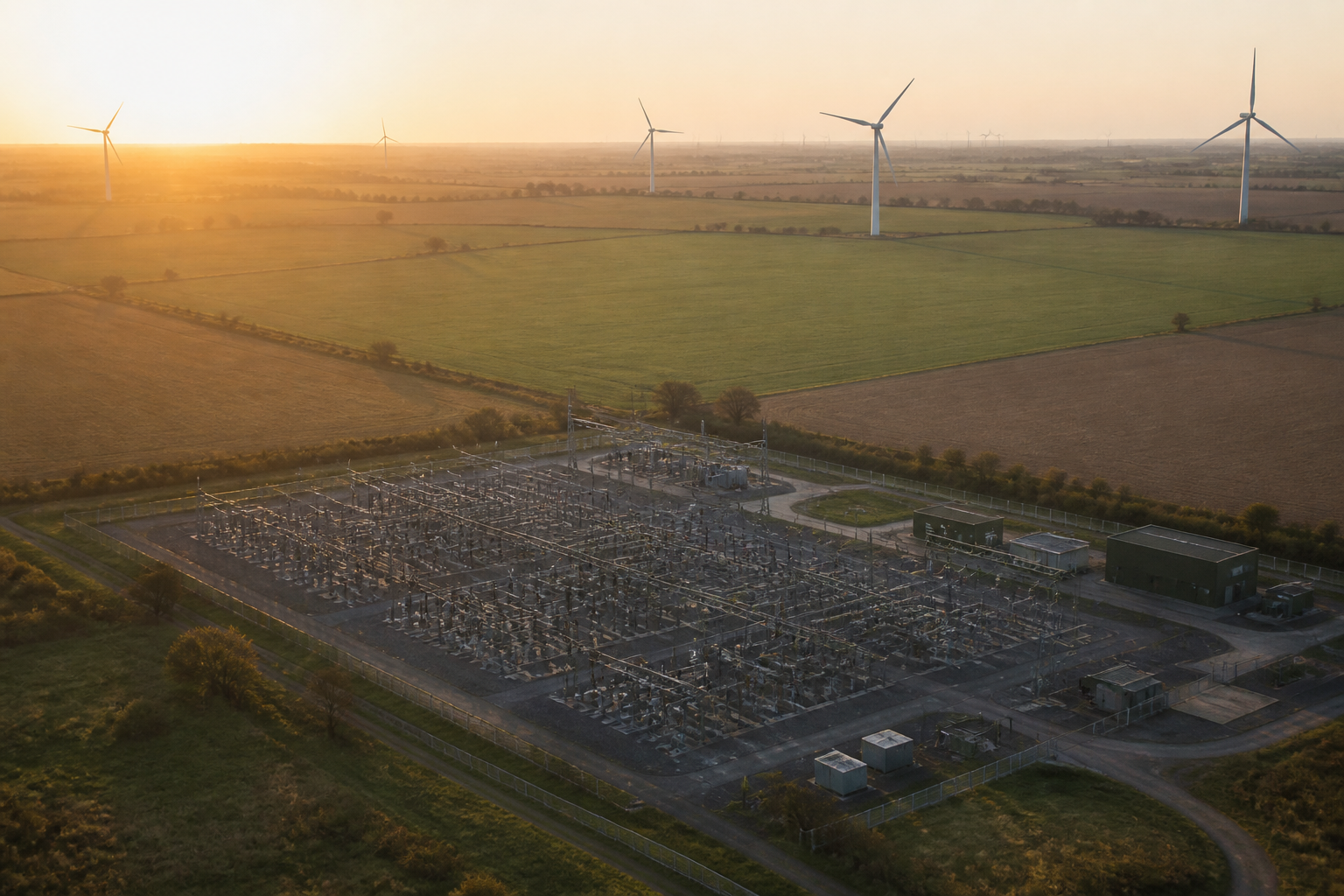
Myth two: renewable generation is too unreliable
Some claim that the intermittency of wind and solar power makes the UK grid inherently unstable. In reality, the UK grid operators have developed sophisticated methods for balancing supply and demand. By diversifying the generation mix across offshore wind, solar, and other low carbon technologies, the grid is increasingly insulated from the risks associated with a reliance on a single fuel source.
The integration of battery storage and interconnectors with European neighbours provides further resilience. These assets can discharge energy when generation is low and absorb excess energy during high generation periods. The strategy is to move toward a more flexible system where demand can shift to match periods of high renewable availability, effectively turning intermittency into a manageable operational metric rather than a system flaw.
For those installing systems through The Solar Scheme, the variability is offset by the increasing prevalence of domestic battery arrays. These batteries effectively smooth out the supply curve, providing local grid support during periods of cloud cover or low wind speed. This decentralised mitigation is a cornerstone of modern grid operations.
| Method | Function |
|---|---|
| Interconnectors | Energy sharing |
| Battery storage | Demand shifting |
| Smart tech | Load balancing |
| Diversification | Reliability |
Based on standard practices in grid operation and energy management.
Myth three: the connection queue is insurmountable
The perception that it takes a decade to get a connection for a new energy project often stems from historical processing models. Reforms are currently underway to transform this process. The focus is on moving away from a first come, first served model toward one that prioritises projects based on their viability and readiness to connect to the network.
This approach aims to clear inactive projects from the queue, freeing up capacity for those that are ready to proceed. While the administrative challenge is significant, the direction of travel is toward a faster and more transparent system. This progress is vital for ensuring that new solar installations and other sustainable energy assets can be brought online in a timeframe that reflects the urgency of the broader energy transition.
Grid operators now require developers to meet strict 'milestone' deadlines to retain their position in the connection queue. If a project fails to clear planning or financial hurdles within defined windows, their allocation is revoked. This prevents 'zombie projects' from blocking genuine infrastructure development, creating a more dynamic pipeline for grid connectivity.
The focus is on moving away from a first come, first served model toward one that prioritises projects based on their viability.
Fact: the grid is decentralising
Historically, the electricity system relied on large, centralised power stations. Today, the grid is decentralising, with energy generation happening at the local level through solar panels on homes and businesses. This shift reduces the load on the national transmission network and makes the system more resilient.
Local distribution networks are becoming hubs for energy management. They now handle two way flows of electricity, where homes can be both consumers and producers. This change allows for better optimisation of local energy usage, which is a core component of the modern grid architecture. It ensures that energy is consumed closer to where it is generated, improving overall system efficiency.
For those engaging with The Net Zero Home Scheme, the move toward decentralisation offers long-term benefits in system stability. As distribution networks become 'smart,' local operators can automatically adjust voltage levels based on the combined output of residential solar and battery storage. This technical evolution is central to our impact on the wider energy transition.
| Attribute | Traditional Model | Modern Model |
|---|---|---|
| Generation | Centralised | Decentralised |
| Flow | One-way | Two-way |
| Management | Passive | Smart/Active |
Comparison reflecting the shift in energy distribution strategy.
Operational challenges and grid management
The practical reality of grid management involves balancing technical constraints such as voltage regulation and thermal capacity on secondary substations. As more heat pumps and electric vehicles enter the system, distribution network operators (DNOs) utilise 'Active Network Management' to curtail specific connections only when the local grid reaches its physical limits. This avoids blanket bans on new connections while incentivising demand-side flexibility.
Workforce capacity is a critical dependency in this process. As discussed in our analysis of domestic energy installation workforce capacity, the speed of grid upgrades depends heavily on the availability of skilled engineers. Businesses planning electrification projects should coordinate early with local DNOs, as the lead times for major reinforcement can be longer than the installation of the equipment itself.
Strategic foresight for energy transition
Effective infrastructure development relies on robust data and sound financial modelling. When corporations look at large-scale electrification, they often evaluate the trade-offs between on-site generation and grid-sourced energy. This decision-making process is detailed further in our article on deciding on public investment in UK net zero infrastructure.
Transparency remains at the heart of our mission. By adhering to strict editorial standards, we ensure our partners and clients receive factual, actionable insights into how the UK grid is evolving. For specific queries regarding energy policy or infrastructure trends, please contact us to speak with our technical team.
Questions people ask
- Can I install a charger at my workplace if the grid is congested?
- Yes, but it requires a grid capacity assessment by your Distribution Network Operator. Many businesses utilise smart charging technology to manage load, avoiding the need for expensive grid reinforcements. You can find more detail on managing these technical requirements in our insights regarding depot versus workplace charging infrastructure.
- How does the electricity grid manage peak demand from heat pumps?
- The grid manages peak loads through reinforcement of local distribution substations and the deployment of smart energy controls. These systems automatically balance demand, ensuring that usage is distributed evenly. Further information on these technological shifts and their implications for home owners is available via The Heat Pump Scheme.
- Will adding solar panels impact my local grid connection?
- Adding solar panels typically requires a G98 or G99 notification to the local network operator. This ensures the system does not exceed the local network's voltage capacity. For a comprehensive overview of how residential energy systems interact with the national network, please refer to our guide on how domestic solar panels work.
- Are there financial risks to investing in grid-dependent energy projects?
- Investment risks are primarily tied to connection timelines and operational maintenance. By focusing on projects that align with modern network reinforcement plans, businesses can mitigate delays. For those evaluating the financial viability of such investments, we provide detailed metrics in our article on analysing fleet electrification cost metrics.
Keep reading

UK electricity grid infrastructure
UK electricity generation and the clean power shift

electric vehicle charging guidance
Practical steps for managing your electric vehicle charging

Employee financial wellbeing metrics
Supporting employee financial stability with data

UK energy price regulation
Understanding the October 2026 energy price cap

employee reward strategy analysis
Optimising personal reward strategy with salary sacrifice

electric vehicle market trends
Electric vehicle adoption and the ZEV mandate

Business travel expense strategy
Deciding between business mileage claims and salary sacrifice

Home solar energy generation
Trends in domestic rooftop solar adoption for 2026

Home heating technology update