Home solar energy generation
How domestic solar panels function on the grid
Understand the mechanics of home solar generation, from photon capture to grid interaction, for payroll and operations teams.
 Mas MortonChief of Staff
4 min readUpdated
What matters here
- Solar cells convert sunlight into direct current electricity.
- Inverters change direct current into usable alternating current.
- Homes use solar power first before exporting excess to the grid.
In short
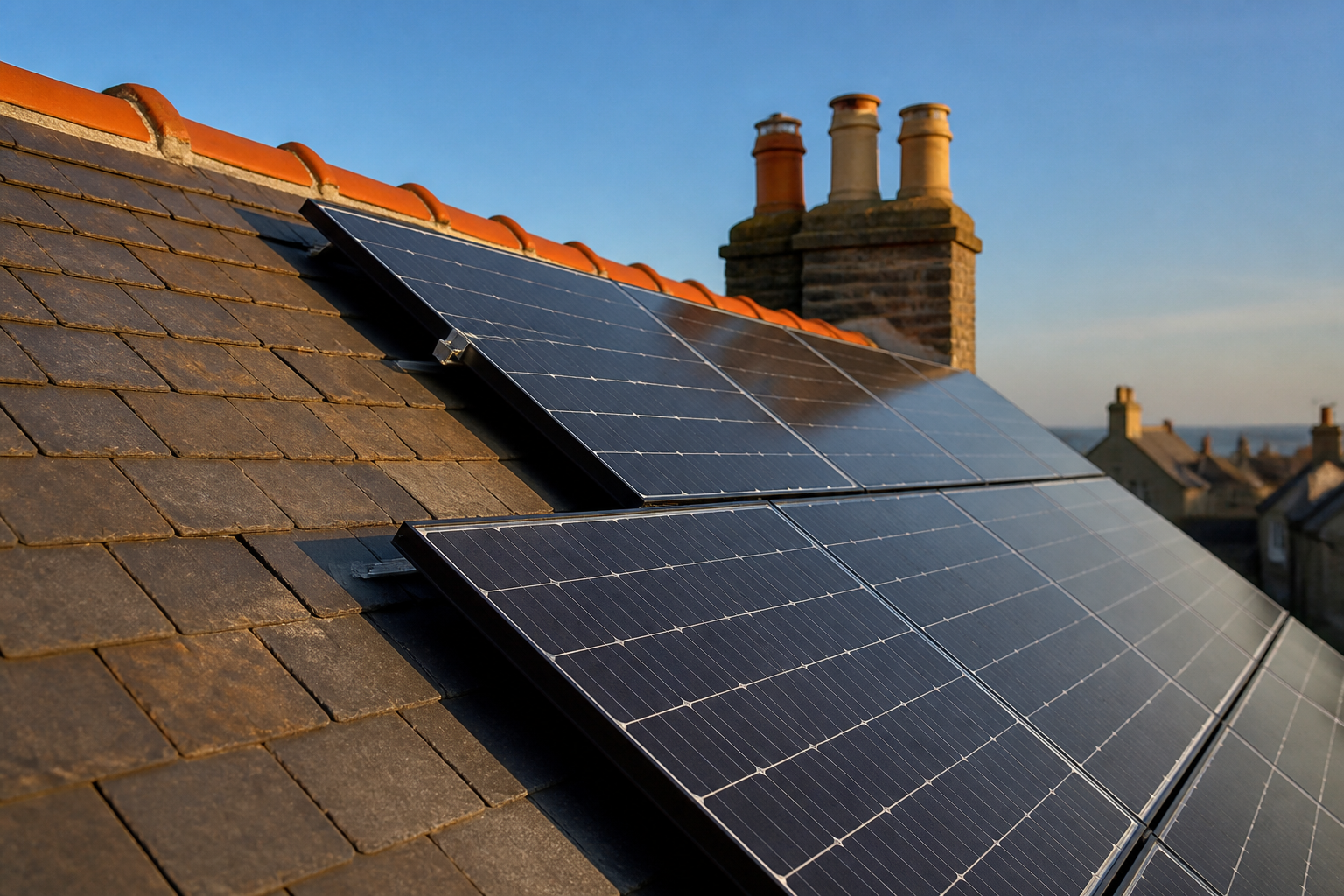
Photovoltaic panels capture sunlight to produce direct current electricity. An inverter converts this into alternating current for household appliances. Any energy generated beyond immediate home requirements is sent back to the national grid, often providing credit to the homeowner. This system functions automatically once installed, requiring minimal ongoing management from the property owner.
For employees and payroll departments, the integration of solar technology represents a long term shift in how residential utilities are managed. Understanding this transition is essential when reviewing our schemes that support domestic energy upgrades. By automating the production of energy, homeowners reduce reliance on external suppliers while leveraging their property as a decentralised power asset.
The conversion process
Photovoltaic solar panels consist of semi-conductive materials. When sunlight hits these cells, it creates an electrical charge. This process generates direct current electricity, which moves in a single direction. This current is the standard output for most battery-based electronics but is not compatible with the alternating current required by UK household appliances and the national grid.
The inverter acts as the essential bridge in a solar system. It monitors the voltage and frequency of the output from the panels. It then converts the direct current into alternating current. This conversion allows the household to power everything from lights to kitchen appliances directly from the energy collected on the roof.
In modern setups, micro-inverters or power optimisers are often attached to individual panels. This ensures that if one panel is partially shaded, it does not reduce the performance of the entire array. For those monitoring insight, it is clear that such advancements in conversion efficiency are the primary driver behind the improved viability of solar installations in temperate climates like the UK.
Managing energy consumption
A typical home installation operates on a self-consumption model. The system sends the electricity generated by the panels to the distribution board first. Any appliance currently running will draw from this supply before pulling energy from the national grid. This reduces the amount of electricity a household needs to purchase from utility providers.
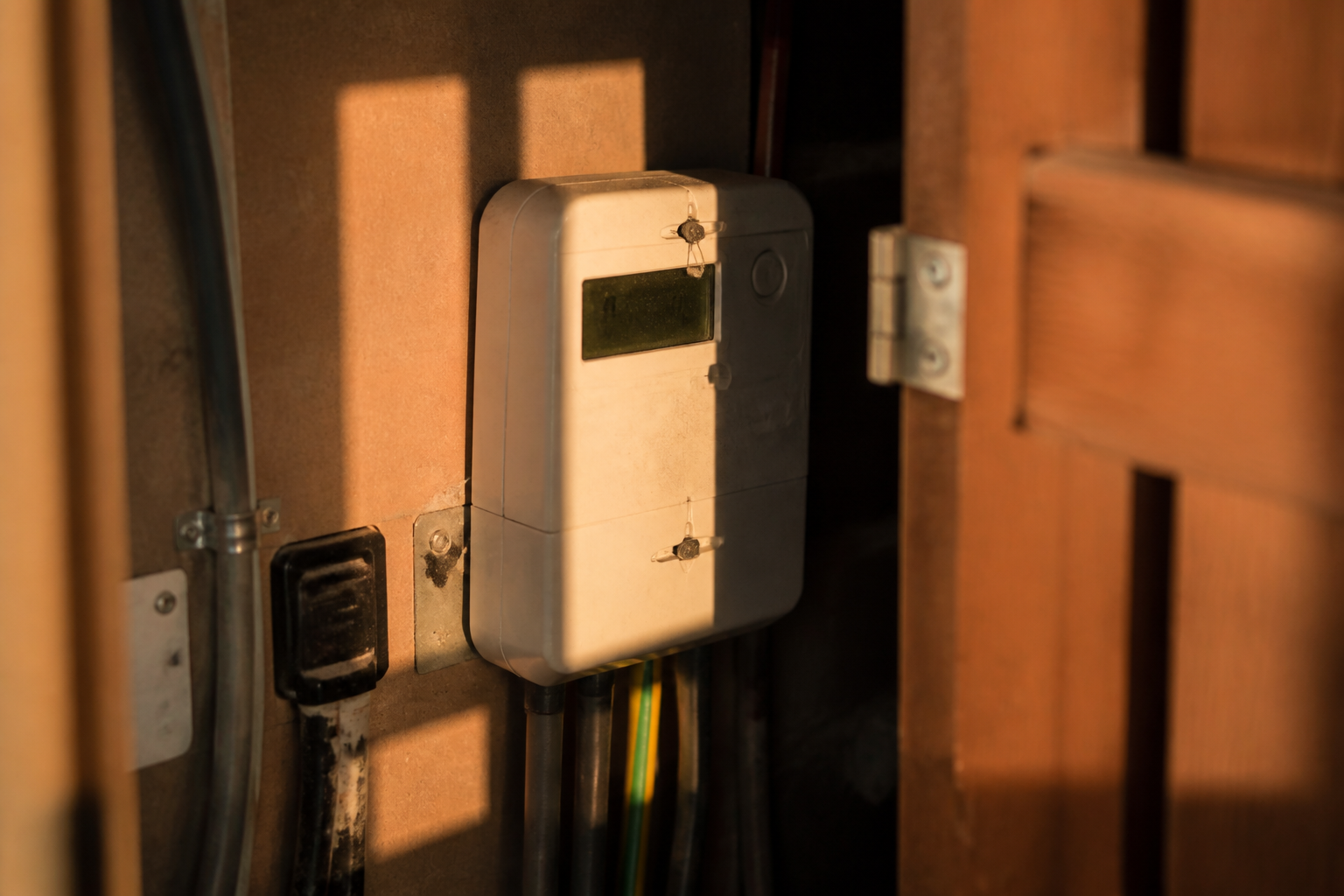
When the panels generate more energy than the home requires, the excess current flows back through the meter and into the local distribution network. The smart meter at the property tracks this export. This feedback loop is the primary way that modern homes contribute to local grid supply.
Effective energy management often involves shifting high consumption activities, such as running a washing machine or dishwasher, to daylight hours. Payroll teams interested in Closing the gap in your reward programme might note that employees using such systems gain more control over their monthly utility overheads, which provides a buffer against fluctuating costs.
| Stage | Process | Electricity type |
|---|---|---|
| Collection | Sunlight hits panels | Direct |
| Conversion | Inverter processes energy | Alternating |
| Usage | Appliances draw power | Alternating |
| Export | Surplus goes to grid | Alternating |
Based on standard residential solar installation logic.
Grid interaction and storage
The grid operates as a vast balancing act. Solar installations provide power that often offsets demand during peak daylight hours. This reduces the burden on large-scale power stations during periods of high industrial or commercial activity. When solar production drops, such as during the night, the grid provides the necessary electricity to keep systems running.
Batteries can store energy for later use. By holding the excess direct current before it reaches the inverter, these units allow the home to use its own generated power after the sun goes down. This increases the total proportion of renewable energy a single household can use over a twenty-four hour cycle.
Those investigating Myths and facts about the UK electricity grid will find that home storage is becoming increasingly common. These batteries allow for a smoother integration with other technologies, such as charging an electric vehicle during off peak hours, effectively creating a closed loop of energy usage within the household ecosystem.
System maintenance requirements
Solar installations are designed for durability. Most systems require minimal interaction once they are correctly commissioned. The inverter is usually the most complex part of the setup, as it contains electronic components that manage the power conversion. Manufacturers typically provide warranties covering these parts for ten to twenty years.
Routine maintenance usually involves checking for debris, such as leaves or moss, that might obstruct sunlight. Cleaning is generally only necessary if performance drops significantly. Because there are no moving parts in the panels themselves, mechanical failure is rare. The system remains a stable asset throughout its lifespan.
Regarding Trends in domestic energy installation workforce capacity, the availability of skilled technicians to perform bi-annual inspections remains steady. Most property owners engage professionals for an initial health check, though basic monitoring apps provide sufficient data for day-to-day oversight of output performance.
There are no moving parts in the panels themselves, making mechanical failure rare and ensuring the system remains a stable asset.
Implementation considerations
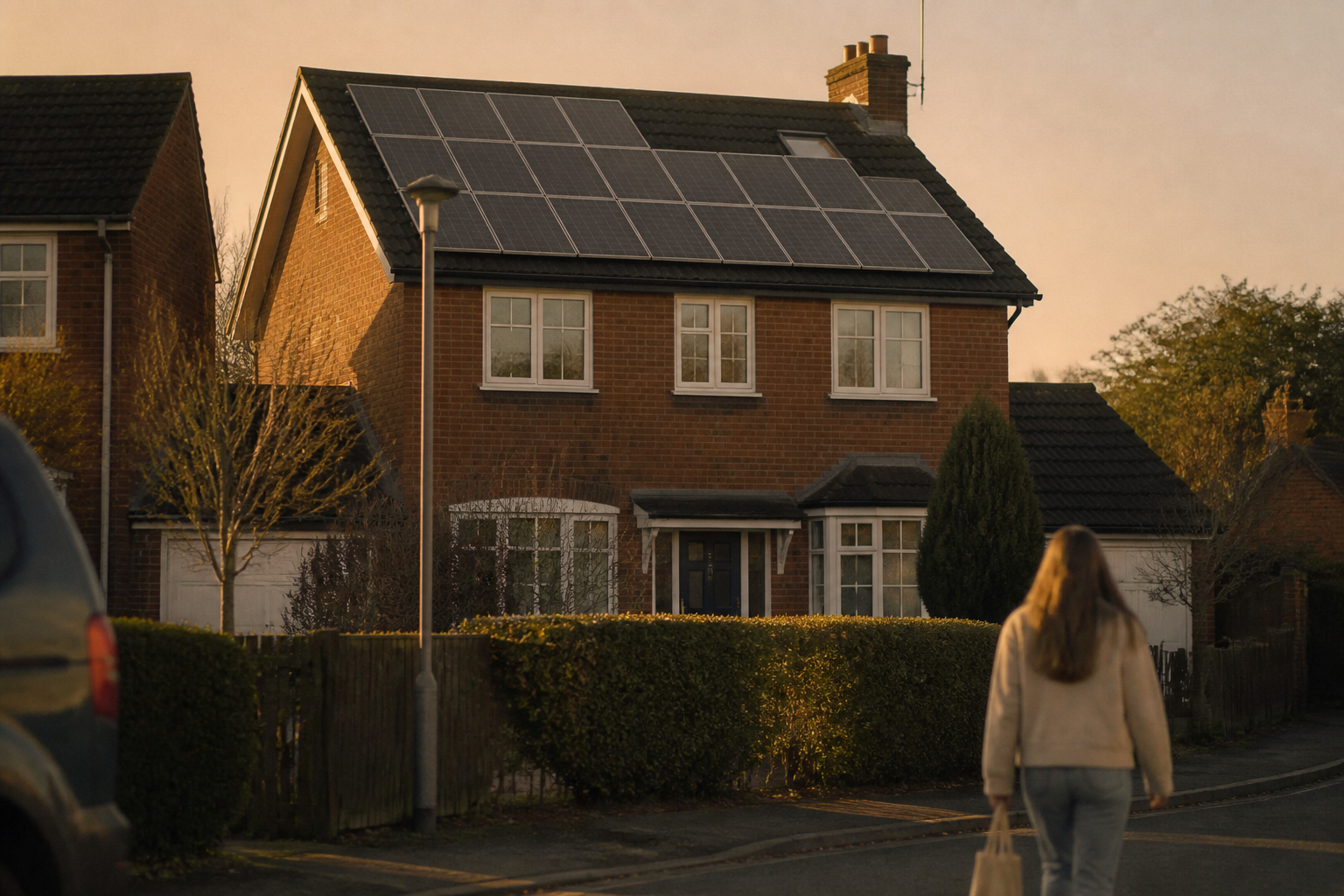
When assessing a property for solar, the physical orientation of the roof is the most important factor. South-facing roofs in the UK generally capture the most direct sunlight throughout the year. However, East and West facing roofs also provide significant generation capacity. Professional installers assess these variables before planning the layout of the array.
The Solar Scheme helps employees access this technology through salary sacrifice. By allowing for the distribution of costs, it supports the upfront investment required for high-quality equipment. Employers benefit from supporting their teams in reducing domestic energy reliance, aligning with broader objectives for sustainable household management.
Before proceeding, homeowners should verify planning permissions, particularly in conservation areas. Additionally, understanding the Salary sacrifice tax and national insurance mechanics is vital to ensure that the financial model aligns with the long-term energy savings expected from the system.
| Roof orientation | Sunlight exposure | Generation profile |
|---|---|---|
| South | Maximum | Peak midday output |
| East | Moderate | Higher morning output |
| West | Moderate | Higher afternoon output |
| North | Low | Not recommended |
Assumptions based on standard UK daylight patterns for solar arrays.
Financial integration and future proofing
As households adopt renewable energy, the synergy between solar, heat pumps, and electric vehicles becomes more prominent. By utilising The Net Zero Home Scheme, employees can integrate multiple technologies. This comprehensive approach often yields better financial outcomes than upgrading systems in isolation, as smart controllers can prioritise energy use between charging a car and heating water.
Operations teams should consider how these investments influence household cash flow. While the upfront investment is significant, the reduction in energy bills acts as a non-taxable benefit that improves the financial wellbeing of staff. This integration is a key component of modern benefits packages that address the holistic needs of a distributed workforce.
Questions people ask
- Can I still power my home if the national grid experiences a blackout?
- Most standard grid-tied solar systems automatically shut down during a power cut for safety reasons. This prevents energy from being sent into the grid, which would endanger technicians working on lines. To maintain power during an outage, you would need a hybrid inverter and an integrated battery system capable of islanding the property from the grid.
- How does salary sacrifice help with the cost of solar panels?
- Salary sacrifice allows employees to pay for their solar installation from their gross salary before tax and national insurance are deducted. This effectively lowers the total cost of the equipment for the individual. It is a structured way to manage the upfront capital expenditure of renewable energy technology while reducing personal taxable income through our schemes.
- What happens if my solar panels produce more electricity than I use?
- When your panels generate a surplus, the excess electricity is automatically exported to the national grid through your smart meter. Depending on your energy supplier, you may receive credit or payment for this exported energy via an export tariff. This helps to further reduce your overall annual utility expenditure through the Solar Scheme.
- Is a south-facing roof absolutely necessary for efficient solar generation?
- While south-facing roofs receive the most direct sunlight throughout the year, they are not the only viable option. East and west-facing arrays can capture substantial energy, often producing more power during the morning or evening respectively. Professional installers can model the expected yield for your specific roof orientation to determine the return on your investment.
Keep reading
Home solar energy generation
Trends in domestic rooftop solar adoption for 2026
UK energy price regulation
Understanding the October 2026 energy price cap

employee reward strategy analysis
Optimising personal reward strategy with salary sacrifice
UK electricity grid infrastructure
UK electricity generation and the clean power shift
electric vehicle charging guidance
Practical steps for managing your electric vehicle charging

Business travel expense strategy
Deciding between business mileage claims and salary sacrifice
Employee financial wellbeing metrics
Supporting employee financial stability with data

Home heating technology update
Deciding on domestic heat pump installation

electric vehicle market trends