


Domestic energy cost management
Deciding between fixed and standard household energy tariffs
Analysing the trade-offs between staying on the price cap or choosing a fixed energy tariff as domestic costs rise this October.
 Mas MortonChief of Staff
4 min readUpdated
What matters here
- Ofgem price cap to increase by 4 percent from October.
- Fixed tariffs offer stability at the cost of potential market drops.
- Variable rates track market fluctuations but risk higher costs in winter.
The current state of domestic energy pricing
The energy market in the United Kingdom has undergone a period of intense fluctuation since mid-2021. While prices have retreated from the peak levels seen during the 2022 and 2023 energy crisis, they remain historically elevated compared to pre-crisis baselines. This context of persistent, higher-than-average costs forms the backdrop for the most recent regulatory update from Ofgem.
On 26 August 2026, it was confirmed that the domestic energy price cap will rise by 4 percent starting 1 October 2026. This adjustment is largely attributed to volatility in wholesale gas markets, influenced by geopolitical tensions, including the Iran war. For the average household, this change translates to a projected increase of approximately 60 pounds per year, arriving just as colder weather begins to increase consumption demands.
Detailed analysis of the market can be found in our insight section, which tracks these trends. Consumers often struggle to reconcile these global wholesale fluctuations with their personal monthly budgets, particularly as the market environment remains sensitive to external geopolitical shocks.
Understanding the variable price cap
The energy price cap is the default mechanism for millions of households. It serves as a limit on the amount suppliers can charge for each unit of gas and electricity used. It is revised quarterly by Ofgem to reflect the underlying costs suppliers pay to purchase energy on the wholesale market. The primary advantage of this system is that it allows the consumer to benefit quickly if global wholesale prices drop significantly.
However, the disadvantage is equally clear. When geopolitical instability or supply chain issues push wholesale costs up, the price cap is adjusted upwards to allow suppliers to recover those costs. Households on a standard variable tariff carry the risk of these quarterly adjustments. There is no insulation from sudden, upward movements in the energy market, which can be difficult to accommodate in a monthly household budget.
For those seeking a deeper dive into the specific drivers behind these changes, we provide further context in our Understanding the October energy price cap rise article.
The trade-offs of fixed energy tariffs
A fixed-term tariff provides a different financial structure. By locking in a rate for a set period, usually 12 months, a household gains certainty is established over what a household will pay per unit of energy. This can be a protective measure against the 4 percent rise coming this October and any subsequent hikes that might occur during the winter if wholesale costs remain elevated.
The trade-off here is the opportunity cost. If the energy market stabilises or wholesale prices drop significantly during the term of the contract, the household on a fixed tariff remains tied to the higher rate they agreed to initially. They cannot access the lower market rates that might emerge. Furthermore, exiting a fixed contract early can often trigger significant financial penalties, meaning this is a decision that requires a view on both current affordability and long-term price projections.
Households considering long-term stability might also examine energy efficiency measures through our schemes to reduce total consumption, effectively dampening the impact of whichever tariff is chosen.
Government support and market mitigation
Government policy currently seeks to balance these pressures through targeted interventions. For instance, the government has implemented a reduction in VAT on electricity bills, which is estimated to save the average household approximately 45 pounds. While this does not fully offset the 4 percent increase to the price cap, it represents a constructive effort to dampen the impact of rising costs on the lowest-income households.
It is also worth noting that energy suppliers are reporting high levels of debt across the sector. This has prompted calls for sustained support mechanisms. For those who are currently deciding how to manage their home energy strategy, these broader fiscal interventions are part of the equation. Understanding that support is often focused on the most vulnerable allows individuals to gauge whether they should rely on the default price cap or proactively seek a fixed deal to protect their own cash flow.
Strategic considerations for households
Deciding between these two paths requires a realistic assessment of a household's tolerance for price volatility. For a budget-conscious household, the stability of a fixed tariff might be preferable even if the rate is slightly higher than the current cap, as it eliminates the risk of a sharp, unexpected bill increase in mid-winter. The trade-off is the potential to miss out on savings if the market cools.
Conversely, those who have the cash flow to absorb short-term price spikes may prefer the variable price cap. This choice assumes that energy markets will eventually find a more stable, lower equilibrium. With electricity prices currently sitting at approximately 26.1 pence per kilowatt-hour, domestic energy remains a significant portion of monthly expenditure. Whether one chooses to lock in a rate or ride the market, the decision should be grounded in a clear analysis of their own risk appetite and historical consumption patterns.
Many households are now looking beyond just tariff selection to physical interventions to lower costs. For example, The Solar Scheme allows homeowners to generate their own power, which significantly alters the cost-benefit analysis of choosing between fixed and variable retail energy providers.
Calculating the impact of energy consumption
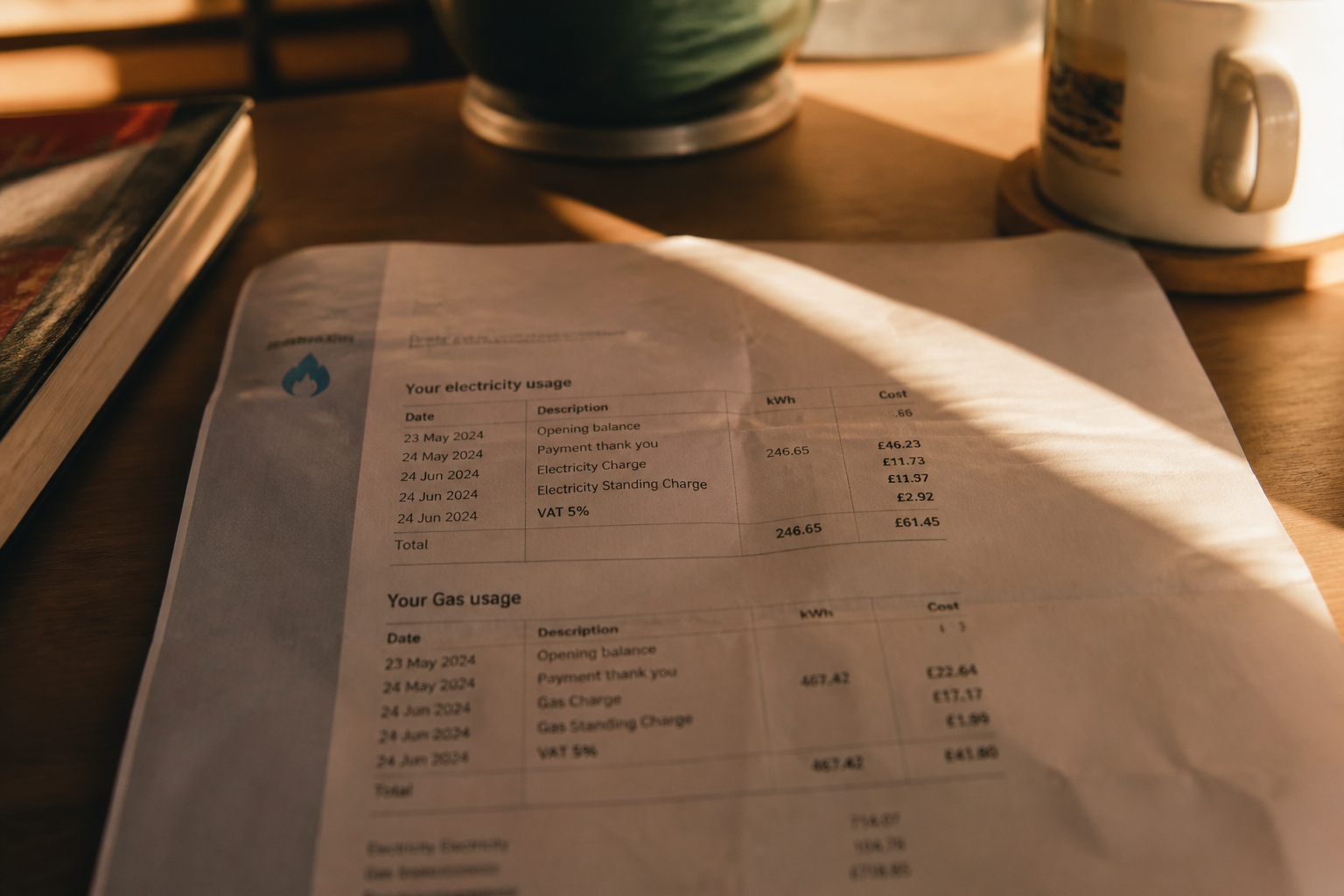
To make an informed decision, households should review their last 12 months of usage, typically measured in kilowatt-hours (kWh) for both gas and electricity. By multiplying this consumption by the current price cap rates versus a proposed fixed tariff, a household can determine the specific annual financial difference.
It is crucial to factor in the standing charge, which is the fixed daily amount paid regardless of usage. In many instances, a fixed tariff may offer a lower unit rate but a higher standing charge, or vice versa. Therefore, comparing total expected annual cost rather than just the price per unit is essential for an accurate projection of household expenditure.
Questions people ask
- Should I switch to a fixed tariff before October 2026?
- If you prioritise budget predictability, a fixed tariff may protect you from future quarterly increases. However, if market wholesale prices fall, you could end up paying more than the cap. Evaluate your own risk tolerance and check if the fixed rate represents a premium you are willing to pay for certainty.
- What is the difference between the price cap and a fixed tariff?
- The price cap is a variable rate that fluctuates quarterly based on wholesale energy costs. A fixed tariff locks in your unit rates for a set duration, typically 12 months. This protects you from price rises during the term but also prevents you from benefiting if market rates decrease.
- How do I know if I am on the standard variable tariff?
- Check your latest energy bill or log into your supplier account portal. If you have not entered into a specific contract with an end date, you are likely on the default standard variable tariff, which is subject to the quarterly adjustments regulated by Ofgem.
- Can I switch tariffs if my energy supplier has high debt?
- Yes, you can switch providers, but you must settle any outstanding balance with your current supplier before moving. Ensure the new supplier is financially stable by checking their industry standing. You can find more information about current energy trends by visiting our about page.
Keep reading
UK energy price regulation
Understanding the October 2026 energy price cap

Home solar energy generation
Trends in domestic rooftop solar adoption for 2026

UK electricity grid infrastructure
UK electricity generation and the clean power shift

Employee financial wellbeing metrics
Supporting employee financial stability with data

Home heating technology update
Deciding on domestic heat pump installation

employee reward strategy analysis
Optimising personal reward strategy with salary sacrifice

electric vehicle charging guidance
Practical steps for managing your electric vehicle charging

Business travel expense strategy
Deciding between business mileage claims and salary sacrifice

electric vehicle market trends