
Home heating policy update
Recent updates to the Boiler Upgrade Scheme
Analysing recent changes to the Boiler Upgrade Scheme and the implications for domestic heat pump adoption as part of the UK Warm Homes Plan.
 Mas MortonChief of Staff
5 min readUpdated
What matters here
- The Boiler Upgrade Scheme offers up to 7500 pounds for heat pump installation.
- Eligibility is restricted to homes and small businesses currently using fossil fuel systems.
- The grant scheme is confirmed to remain active until at least 2030.
Overview of the current grant landscape
The Boiler Upgrade Scheme serves as a primary financial mechanism for homeowners and small business owners in England and Wales. It aims to bridge the gap between traditional fossil fuel heating and low carbon alternatives. Since its inception in May 2022, the scheme has processed over 100,000 applications. This trajectory indicates a consistent interest in transitioning away from gas and oil boilers.
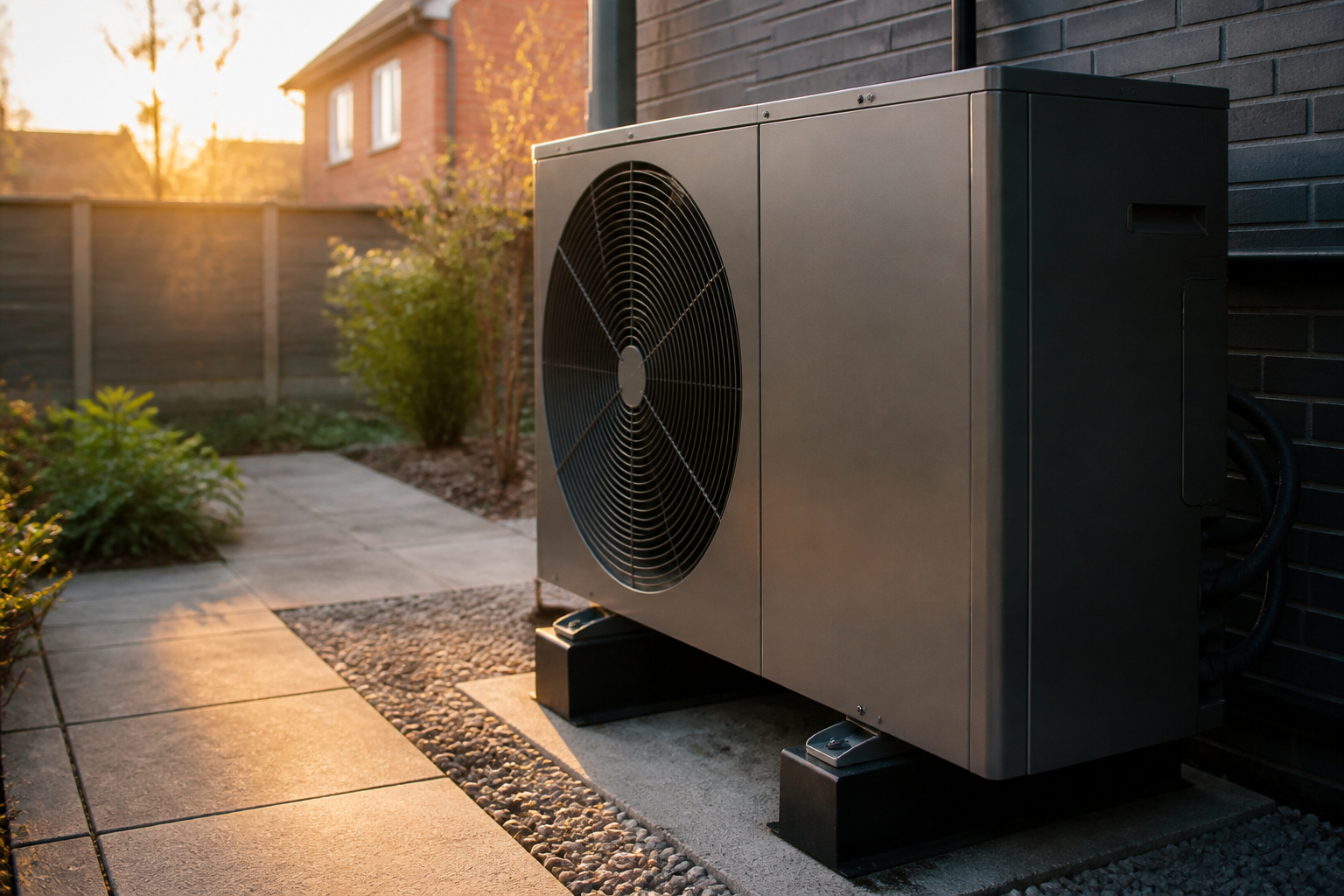
The grant functions by lowering the upfront cost of equipment. Users must engage an MCS-certified installer to qualify for the funding. This certification requirement ensures that installations meet professional standards. The scheme remains focused on heat pumps as the most common low carbon solution for domestic environments. As detailed in our blog, this transition is frequently compared to other capital upgrades like those found in The Heat Pump Scheme to support wider decarbonisation efforts.
To qualify, the property must have a valid Energy Performance Certificate (EPC) issued within the last ten years, with no outstanding recommendations for loft or cavity wall insulation. This requirement serves to protect the efficiency of the heat pump once installed, as these systems perform best in well-insulated homes. Homeowners should review their current documentation before reaching out to contractors to ensure the property is fully prepared for the transition.
Eligibility and application criteria
Access to the funding is specifically tailored to properties that currently rely on fossil fuel heating systems. This includes homes currently heated by natural gas, oil, or LPG boilers. Small business owners with similar heating setups also fall within the eligibility criteria defined by the Department for Energy Security and Net Zero.
The application process is managed through Ofgem. Potential applicants should verify their eligibility before committing to an installation. Working with an approved installer is necessary, as they act as the primary point of contact for the grant application process. This structured approach helps ensure that the funding reaches the intended properties efficiently.
One common point of confusion for applicants involves property size and usage. While domestic properties are the primary target, certain non-domestic buildings may qualify provided they meet the specific requirements set out by the regulator. Before proceeding, homeowners are advised to consult our schemes for a comprehensive overview of how these grants interact with broader property improvements.
Policy continuity and the Warm Homes Plan
A significant development is the confirmation that the Boiler Upgrade Scheme will continue to operate until at least 2030. This extension is part of the broader Warm Homes Plan. The policy serves to provide clarity to both consumers and the supply chain. By establishing a long-term horizon, the government allows for better planning across the sector.
The recent data from February 2026 shows continued activity with over 3,500 applications submitted in that single month. This volume demonstrates that the programme is functioning as a consistent driver for low carbon heating upgrades. The focus remains on steady adoption rather than rapid, unstable market changes.
Long-term policy security is essential for the installer workforce. As discussed in our analysis of domestic energy installation workforce capacity, the stability provided by this commitment allows businesses to invest in training and equipment. This planning horizon reduces the risk of boom-and-bust cycles that previously hampered the growth of the renewable heat sector.
Financial implications for households
The grant provides a reduction of up to 7,500 pounds against the total cost of installing a heat pump. This subsidy addresses one of the most common barriers for homeowners. By offsetting a significant portion of the capital expense, the scheme enables more households to consider the transition to cleaner heating technologies.
While the grant is substantial, it is not the only factor in the decision-making process. Households must also consider their property's energy efficiency and current insulation levels. The scheme is designed to complement existing efforts to improve overall home energy performance, ensuring that heat pumps function at their highest potential efficiency. For families planning long-term financial commitments, understanding how these grants fit into wider household budgets is a frequent topic in our insight.
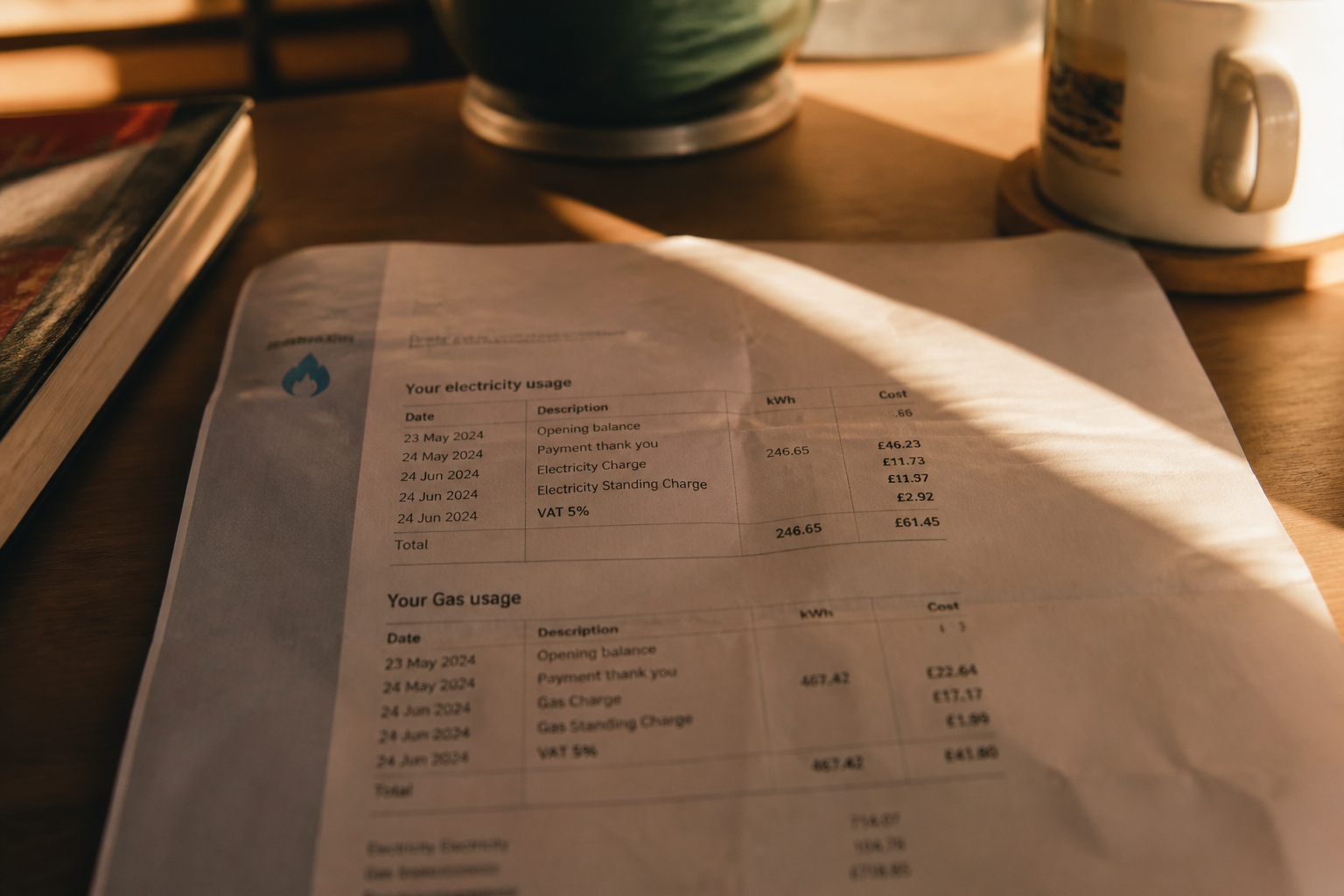
It is also important for applicants to factor in the potential changes to electricity tariffs. Heat pumps operate using electricity, and therefore the total cost of ownership depends on local energy pricing. For further information on navigating these costs, readers may refer to our analysis on the October energy price cap to better estimate the annual operational expenditure associated with the new heating system.
The role of professional installers
The requirement for MCS-certified installations is central to the success of the scheme. These installers are trained to assess the specific requirements of a building. They play a critical role in educating homeowners about how to operate their new systems effectively. This technical oversight is necessary for the long-term viability of low carbon heating.
For those involved in operations, it is worth noting that the professional installer network is critical to the delivery of these grants. Without qualified practitioners, the policy objectives would not be met. The scheme therefore provides a form of quality assurance that protects the interests of those making the switch to electric heating solutions.
Installers are responsible for submitting the grant application on behalf of the customer, which streamlines the process for the homeowner. However, this also means that the relationship between the customer and the contractor is paramount. Clear communication regarding timelines, site visits, and the specific technical needs of the property ensures a smoother installation process and avoids common pitfalls such as undersized heat exchangers or incorrect radiator adjustments.
Questions people ask
- Can I claim the grant if I have already had a heat pump installed?
- No, the Boiler Upgrade Scheme is designed to support new installations. You must apply for the grant before the work is completed and the commissioning certificate is issued. Retroactive claims are not permitted under the current guidelines, so it is essential to coordinate with your MCS-certified installer prior to signing any installation contracts.
- Does the £7,500 grant cover the entire cost of a heat pump installation?
- The grant covers up to £7,500 of the total cost, but it rarely covers the full installation. Total expenses vary based on the specific equipment, the size of your property, and any required modifications to your existing pipework or radiators. Homeowners should obtain multiple quotes to understand their potential out-of-pocket costs before proceeding with an application.
- Are there specific brands of heat pumps I must use to qualify?
- The scheme does not mandate the use of a specific brand. Instead, the focus is on the installer being MCS-certified. Your chosen installer will recommend a system that meets the specific heating demands of your home, ensuring that the equipment is appropriate for the property’s heat loss calculations and complies with the scheme’s efficiency standards.
- How do I find an MCS-certified installer for my home?
- You should use the official MCS website to search for accredited installers in your local area. It is advisable to contact several installers to discuss your project. Always verify their current certification status through the MCS database before entering into any agreements or paying deposits for your heating system upgrade.
- Can I combine the Boiler Upgrade Scheme with other home energy grants?
- Generally, you cannot use multiple government grants to fund the same specific installation. However, you may be able to combine the Boiler Upgrade Scheme with other initiatives that focus on separate improvements, such as home insulation or energy efficiency measures, provided those schemes permit the combination of funding for different types of work on your property.
Keep reading
UK energy price regulation
Understanding the October 2026 energy price cap

Employee financial wellbeing metrics
Supporting employee financial stability with data

Home solar energy generation
Trends in domestic rooftop solar adoption for 2026

Home heating technology update
Deciding on domestic heat pump installation

employee reward strategy analysis
Optimising personal reward strategy with salary sacrifice

UK electricity grid infrastructure
UK electricity generation and the clean power shift

electric vehicle charging guidance
Practical steps for managing your electric vehicle charging

Business travel expense strategy
Deciding between business mileage claims and salary sacrifice

electric vehicle market trends