

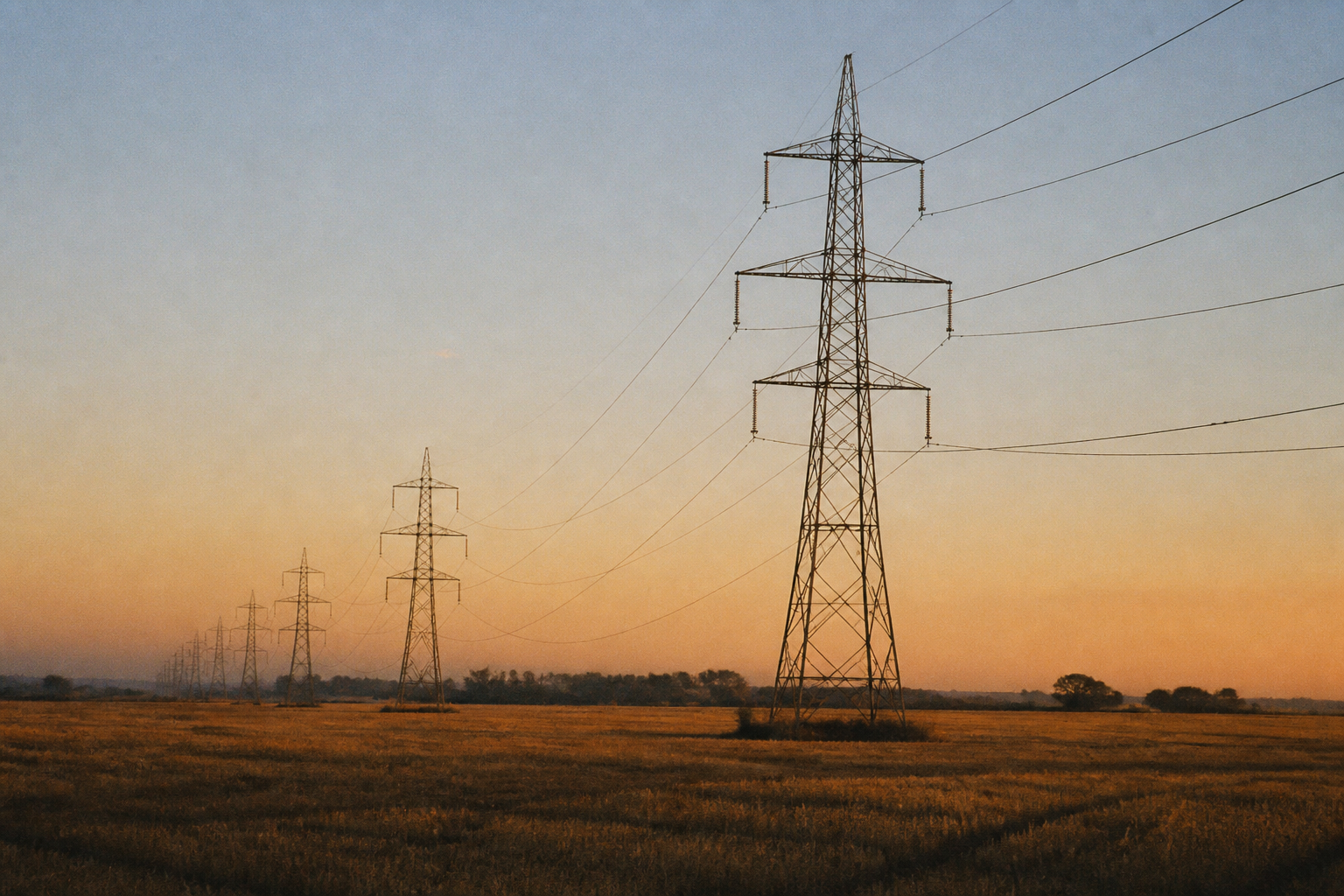
UK energy grid infrastructure
Grid generation and transmission capacity expansion
Analysing the shift in UK electricity generation and the ongoing efforts to expand transmission capacity for a more stable energy future.
 Ryan AmosEV Sales Director
5 min readUpdated
What matters here
- The UK generation mix is moving toward higher intermittent renewable capacity.
- Transmission infrastructure is undergoing a period of intense regulatory review.
- Financial risk management requires understanding long term grid stability trends.
The evolution of the generation mix
The UK electricity generation mix has undergone a significant transformation over the last decade. Coal generation has reached a point of near total removal from the system. In its place, wind and solar have grown to become major components of the daily supply. This shift alters the core dynamics of the grid. It moves the system from one defined by large, predictable, thermal power plants to one defined by variable, intermittent renewable sources.
Managing this variability is a technical challenge for the system operator. When wind speeds are high or solar yield is at its peak, the grid must manage periods of surplus generation. Conversely, when conditions are still, the system requires storage or alternative dispatchable power to balance the load. This reality dictates the current pace of investment in the grid architecture. It is no longer just about generating power. It is about timing and location.
The transition necessitates a fundamental redesign of how the grid operates. Older thermal plants provided essential inertia to the system, helping to maintain frequency stability. Renewable sources, connected via power electronics, do not naturally provide this same inertia. Engineers must now implement synthetic inertia technologies to ensure the network remains stable as we move away from traditional spinning turbines.
Transmission infrastructure constraints
The physical transmission network acts as the bridge between generation sites and end consumers. Much of the new renewable capacity is located in remote regions, such as offshore wind farms or sites in northern Scotland. The infrastructure to move this electricity to the high demand centres of the south is often constrained. Congestion on the transmission network is a known factor that limits the efficiency of the overall system.
Regulatory focus is now firmly on the reform of connection processes and transmission investment. The goal is to reduce the time it takes for new infrastructure to receive approval and move into construction. This is a complex engineering and planning task. It requires balancing the need for rapid deployment with the necessity of maintaining network safety and integrity. The direction of travel is toward a faster, more agile approval process for transmission projects.
Constraint payments, where the system operator pays generators to turn off when transmission lines are full, reflect the severity of these physical bottlenecks. Reducing these costs depends on both building higher capacity cables and deploying advanced, automated line-rating systems that adjust capacity based on real-time ambient weather conditions.
Localised network management
Beyond the national high voltage grid, the distribution networks are seeing increased pressure. These regional networks, which carry power to households and businesses, were traditionally designed for a one-way flow of electricity. They moved power from the transmission system to the end user. Now, that relationship is bidirectional. Small scale generation, such as rooftop solar, can export power back into the network, creating new voltage management challenges.
Distribution network operators are tasked with upgrading regional infrastructure to handle these flows. This involves deploying smart monitoring equipment and flexible connection agreements. These measures allow the system to manage peaks in demand and generation locally. For a finance director, understanding these regional dynamics is helpful. It provides context for how energy reliability might vary depending on specific local network health.
Owners of assets like those under The Solar Scheme must increasingly engage with their distribution operators to understand site-specific export limitations. In areas with high penetration of local generation, voltage rise at the point of connection can trigger automated shutdowns of solar inverters if the local network is not sufficiently upgraded to manage the export.
Financial implications of grid development
Grid development has significant cost implications. Large scale infrastructure projects require substantial capital expenditure. These costs are recovered through charges on the system, which eventually influence the unit price of electricity. The challenge for policymakers is to fund the necessary upgrades without creating excessive upward pressure on energy costs for the end consumer.
The financial risk for businesses often relates to the volatility of energy pricing and the potential for temporary limitations on supply. As the grid transitions, these factors are closely monitored by market analysts. Stable and predictable electricity supply is a fundamental requirement for the adoption of electrified assets, such as those facilitated by The Electric Car Scheme or The Heat Pump Scheme. Reliability is not just a technical goal, but a financial necessity.
Capital expenditure for grid assets is typically recovered over multi-decade cycles. For commercial stakeholders, this means grid-related tariff increases are likely to be persistent features of energy bills for the foreseeable future. Businesses should refer to our schemes for comprehensive guidance on how these market factors influence long-term infrastructure investment decisions.
Integration and system coordination
The integration of demand-side response represents the next phase of grid optimisation. Instead of only building more wires to handle peak load, the system operator is incentivising users to reduce consumption or shift energy usage during periods of grid stress. This coordinated effort requires digital communication across millions of smart meters and household devices.
Effective coordination requires standardised communication protocols between the utility, the distribution operator, and the end-user hardware. Without this standardisation, the complexity of managing thousands of distributed assets becomes prohibitive. Achieving this will require continued scrutiny of editorial standards in technical reporting and transparent data sharing across the energy sector.
Predicting the trajectory of the grid
The next twelve months will likely be defined by the execution of several key policy updates regarding grid connections. There is a clear intent from government and the regulator to prioritise projects that offer the greatest benefit to system stability. This is a pragmatic approach. By focusing resources on high impact areas, the system operator aims to clear the current backlog of connection requests more efficiently.
While infrastructure builds are long term, the planning decisions made today set the course for the next decade. The trend is toward a more integrated approach, where generation, transmission, and consumption are managed as a single, coordinated system. This holistic view is the best way to ensure the UK grid can support a net zero economy. It remains a process of steady iteration, with the primary objective being a secure and cost effective energy future for all users.
For a deeper analysis of the common misconceptions surrounding these developments, readers may consult our Myths and facts about the UK electricity grid article. Ongoing assessment of grid performance and policy impact will remain a key focus for stakeholders as we progress through this decade.
Questions people ask
- How does the shift to renewable energy affect grid stability?
- Renewables are variable and lack the mechanical inertia provided by traditional spinning turbines. This requires the grid operator to use new technology to maintain frequency. You can read more about grid operational realities at Myths and facts about the UK electricity grid for a detailed breakdown of how stability is currently being maintained.
- Why do some renewable projects face long waits for grid connections?
- Significant growth in renewable capacity has exceeded existing transmission network capacity. This creates congestion, requiring physical upgrades to cables and substations. Regulators are currently reforming the connection queue to prioritise projects that offer the most system benefit, reducing the administrative and engineering bottlenecks that previously caused extensive delays for new infrastructure developers.
- What is the impact of localised generation on distribution networks?
- Distribution networks were originally designed for one-way power flow from transmission to the end user. High levels of local generation, such as rooftop solar, create bidirectional flows that can cause voltage issues. Networks now require smart monitoring and investment to safely accommodate this exported power while maintaining voltage levels within regulatory limits.
- How are grid upgrade costs passed to consumers?
- Large-scale grid infrastructure requires multi-billion pound capital expenditure. These costs are socialised across the grid through transmission and distribution charges embedded in electricity unit prices. Policymakers aim to balance these investments against the need to keep energy costs manageable for households and businesses during the transition to a net zero energy system.
Keep reading

electric vehicle charging guidance
Practical steps for managing your electric vehicle charging

Employee financial wellbeing metrics
Supporting employee financial stability with data

employee reward strategy analysis
Optimising personal reward strategy with salary sacrifice

electric vehicle market trends
Electric vehicle adoption and the ZEV mandate

UK electricity grid infrastructure
UK electricity generation and the clean power shift

Business travel expense strategy
Deciding between business mileage claims and salary sacrifice

UK energy price regulation
Understanding the October 2026 energy price cap

Home heating technology update
Deciding on domestic heat pump installation

Home solar energy generation