

Home heating financial support
Heat pump grants and off-grid property eligibility
Understand how recent updates to the Boiler Upgrade Scheme affect the financial support available for heat pump installations in off-grid homes.
 Mas MortonChief of Staff
4 min readUpdated
What matters here
- The Boiler Upgrade Scheme grant has increased to £9,000 for specific off-grid homes.
- Property owners using oil or LPG heating are the primary beneficiaries of this uplift.
- Grants help offset initial installation costs for low carbon heating systems.
In short
As of 21 July 2026, the Boiler Upgrade Scheme provides a grant of £9,000 for rural homes currently heated by oil or LPG. This increase from the standard £7,500 grant aims to support those off the gas grid in transitioning to heat pumps. Eligibility depends on property location and current heating fuel, rather than income level.
Understanding the current grant landscape
The financial landscape for domestic heating upgrades has shifted. Since 21 July 2026, the Boiler Upgrade Scheme has introduced a higher grant tier for specific rural properties. This adjustment is designed to assist households that currently rely on oil or LPG heating systems to switch to electric heat pumps.
The standard grant remains at £7,500, but properties using off-grid fuels are now eligible for up to £9,000. This is a deliberate policy measure aimed at roughly 1.5 million UK homes that exist outside the reach of the main gas grid. By increasing the available support, the scheme helps to mitigate the upfront capital expenditure required for system replacement.
Homeowners weighing this decision should review the latest criteria for the-heat-pump-scheme. Understanding the fiscal support available is the first step in assessing the overall cost of domestic energy over the long term. This approach ensures you remain informed on how direct subsidies interact with broader market shifts in fuel costs.
Eligibility and grant tiers
Eligibility for the enhanced £9,000 grant is focused on homes in England and Wales that rely on non-gas fuels. Oil and LPG users often face higher price volatility, making the transition to a heat pump a strategic move for household budget stability.
To qualify, the property must be in a location without access to the national gas network. The application process requires an energy performance assessment to ensure the system is suitable for the dwelling. This process is similar to how one might approach an electric vehicle lease by first calculating the requirements of the specific household.
The application is managed by your chosen MCS-certified installer, who will confirm your eligibility against the government database of off-grid properties. It is important to note that the grant is not means-tested; eligibility is determined by your current heating infrastructure and official geographic status, rather than your annual income.
| Category | Grant Amount | Primary Eligibility |
|---|---|---|
| Standard Home | £7,500 | Main gas grid homes |
| Off-grid Home | £9,000 | Oil or LPG reliant |
Figures based on current Boiler Upgrade Scheme updates published July 2026.
Evaluating the transition to heat pumps
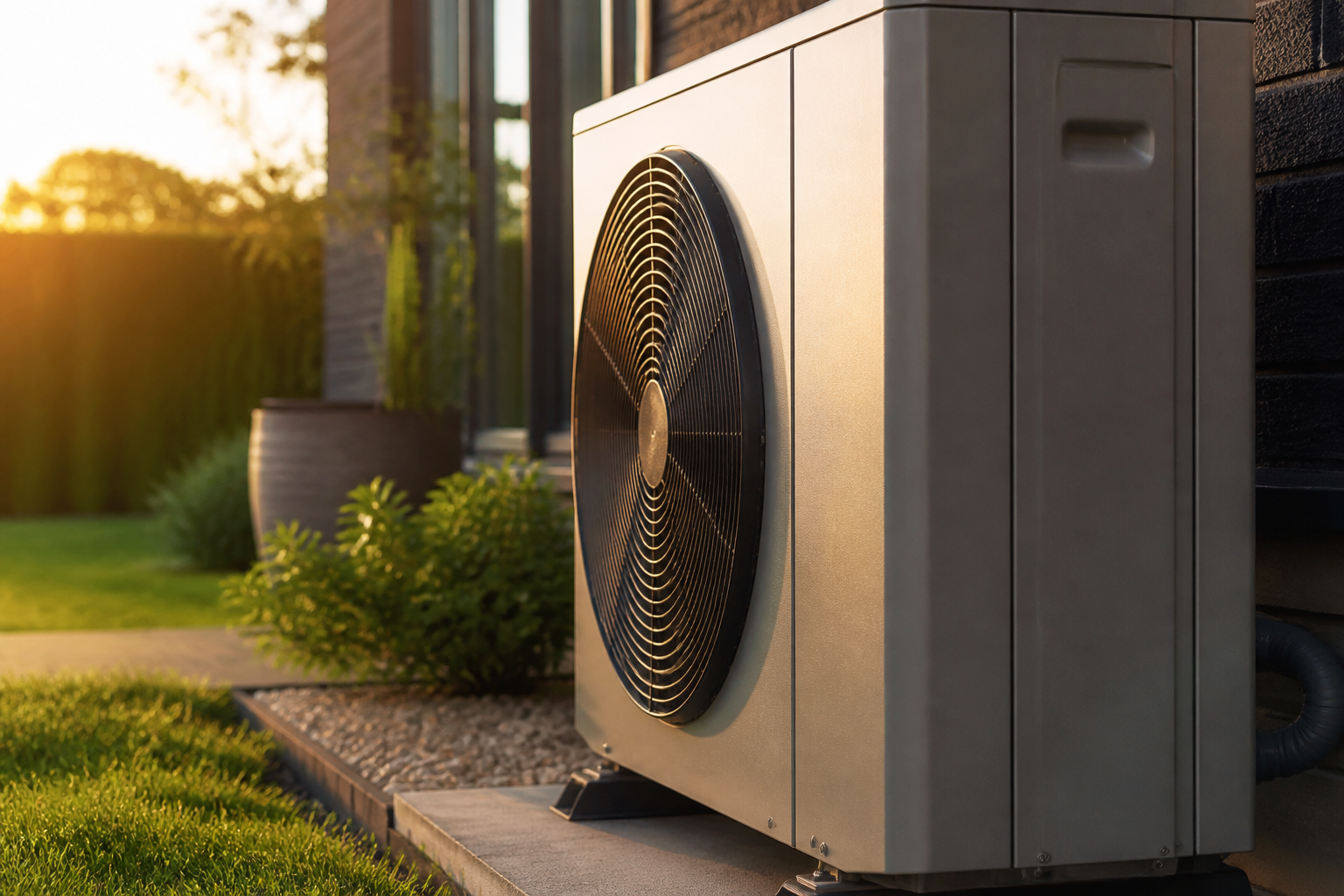
A heat pump transfers heat from the outside air or ground into your home. Unlike a traditional boiler, it works efficiently at lower temperatures, which requires proper insulation and heat emitter sizing. This is a fundamental component of sustainable home upgrades.
Homeowners should discuss the installation requirements with a certified contractor. An installer will evaluate the building heat loss to determine the correct size of the heat pump. A system that is too large or too small will not operate efficiently, which impacts the long-term financial benefits.
Common pitfalls in installation often stem from poor system design. For instance, failing to upgrade radiators to low-temperature versions can negate the energy efficiency gains of the heat pump itself. If your home retains heat poorly, a heat pump may struggle to maintain a comfortable internal temperature, leading to excessive electricity usage.
Market context and installer capacity
The increase in the grant is also a signal to the supply chain. As green tech installer capacity grows, the market becomes more prepared to meet rising demand. Installers play a vital role in ensuring that homeowners receive accurate advice on the suitability of their property.
Off-grid homes face specific challenges regarding supply chain disruption and fuel price instability. The enhanced grant provides a bridge to a more reliable heating source. This is part of a broader shift in UK policy to encourage the adoption of electrification where it is most practical.
As part of your personal reward strategy, understanding the incentives available for your home is as important as managing your payroll-linked benefits. Professional installers are now better equipped to handle the administrative side of the Boiler Upgrade Scheme, simplifying the process for the end user.
Around 1.5 million homes across the UK rely on heating oil because they are located off the main gas grid.
Financial and operational considerations
Beyond the grant itself, consider the running costs of the new system. Heat pumps provide efficient heating but require a stable electricity supply. Integrating solar energy systems can potentially offset the electrical demand of the heat pump, creating a more integrated approach to household energy management.
Homeowners must account for the remaining balance after the grant. While the grant covers a significant portion of the installation, there is usually an out-of-pocket cost. Comparing the total cost of ownership over ten years against continuing to use an oil or LPG boiler provides the most accurate view of the financial benefit.
Financial resilience is key when managing such a transition. Refer to guidance on household financial stress if you need assistance in planning your personal budget for home upgrades. Evaluating the return on investment involves looking at both the upfront capital reduction from the grant and the reduced frequency of fuel deliveries.

Next steps for the homeowner
If you are considering a transition, start by identifying if your property uses oil or LPG. This is the primary indicator for your eligibility for the higher grant tier. Next, check if your home insulation is sufficient for a low-temperature heating system. Ensure your EPC certificate is up to date, as this is a standard prerequisite.
Engage with certified installers to receive multiple quotes. Each installer may have different approaches to the system design, which can affect the final price and performance. Finally, review your current net zero home objectives to see how this heating upgrade fits into your longer-term plans.
Staying informed about UK net zero policy ensures you can take advantage of incentives as they are updated. Document all communications with your contractor and ensure the proposed system sizing is explained in writing to avoid future operational inefficiencies.
Questions people ask
- Can I claim the £9,000 grant if I currently use electric storage heaters?
- The enhanced £9,000 grant under the Boiler Upgrade Scheme is specifically targeted at properties currently using oil or LPG. Homes reliant on electric storage heaters generally do not qualify for this specific off-grid increase, though they may still be eligible for the standard £7,500 support depending on the property's primary heat source certification.
- Is the Boiler Upgrade Scheme grant considered taxable income?
- In the United Kingdom, grants provided through the Boiler Upgrade Scheme are considered capital subsidies for the purpose of home improvement. They are not treated as personal taxable income for the recipient. However, always consult with a tax professional regarding your personal situation if you are self-employed or using the home for business.
- Does my home need to be off-grid for the full duration of the scheme?
- Yes, eligibility for the enhanced £9,000 tier is determined by your property's connection status to the national gas grid at the time of application. If your area becomes connected to the gas network after you have received the grant, it does not require repayment, provided the application met all criteria at the time.
- How do I verify if my installer is qualified to claim the grant?
- You should ensure your contractor is MCS-certified, as only businesses registered with the Microgeneration Certification Scheme can process Boiler Upgrade Scheme applications on your behalf. You can verify their status via the official MCS website, which helps protect your net zero home investment by ensuring compliance with all required safety and efficiency standards.
Keep reading

Household energy price trends
Understanding the October 2026 household energy price cap

Green technology sector skills
Skills and capacity in the green installation sector

Home heating technology update
Domestic heat pump installation process

Home solar energy generation
Myths and facts about home solar energy

electricity grid connection reform
Managing grid connection risks for commercial energy projects

employee reward strategy analysis
Balancing reward budget and employee choice

employee reward strategy analysis
Choosing between salary sacrifice and personal car finance

Fleet tax and reporting
Business fleet vehicle classification and tax updates

UK household financial health