

Household energy price trends
Understanding the October 2026 household energy price cap
An analysis of the October 2026 energy price cap increase and its impact on household budget management for employers and staff.
 Alex RamsayChief Commercial Officer
5 min readUpdated
What matters here
- The Ofgem price cap increased by 4% on 1 October 2026.
- Higher wholesale gas prices remain a primary driver for cost increases.
- Fixed tariff options exist outside of the price cap for some households.
In short
From 1 October 2026, the energy price cap increased by 4%. This change follows trends in wholesale gas prices, influenced by external geopolitical factors. While this rise affects households on standard variable tariffs, it does not apply to those currently on fixed-term energy deals, which currently account for over a third of UK energy customers.
For employees navigating these adjustments, understanding the distinction between fixed and variable contracts is essential. Staff who have secured fixed-term deals are insulated from this particular quarterly change, whereas those on standard variable rates will see an immediate impact on their monthly outgoings. Employers looking to support staff in managing household financial stress may find that providing clarity on these contractual differences is a practical initial step in employee financial wellbeing initiatives.
The mechanism of the energy price cap
The energy price cap is a regulatory limit established by Ofgem that dictates the maximum amount suppliers can charge for a typical unit of gas and electricity. It is not a cap on total bills, but a limit on the price per unit used. As energy usage fluctuates, so does the total monthly expenditure for a household.
Since the energy crisis that peaked in 2022 and 2023, prices have remained significantly above historical norms. The cap is revised on a quarterly basis to reflect changes in wholesale costs, meaning consumers face regular adjustments based on global supply conditions. This volatility creates complexity for those attempting to forecast household budgets over a twelve-month period.
The calculation involves an assessment of the wholesale cost of energy, operating costs for suppliers, and network maintenance charges. When wholesale markets experience sudden shifts, as observed in late 2026, the cap mechanism adjusts the unit rate for electricity and the daily standing charge to ensure suppliers can recover these costs while remaining within regulatory parameters. Consumers should review their latest bill to distinguish between the standing charge, which applies regardless of usage, and the unit rate, which is the primary driver of consumption-based costs.
Recent changes in energy prices
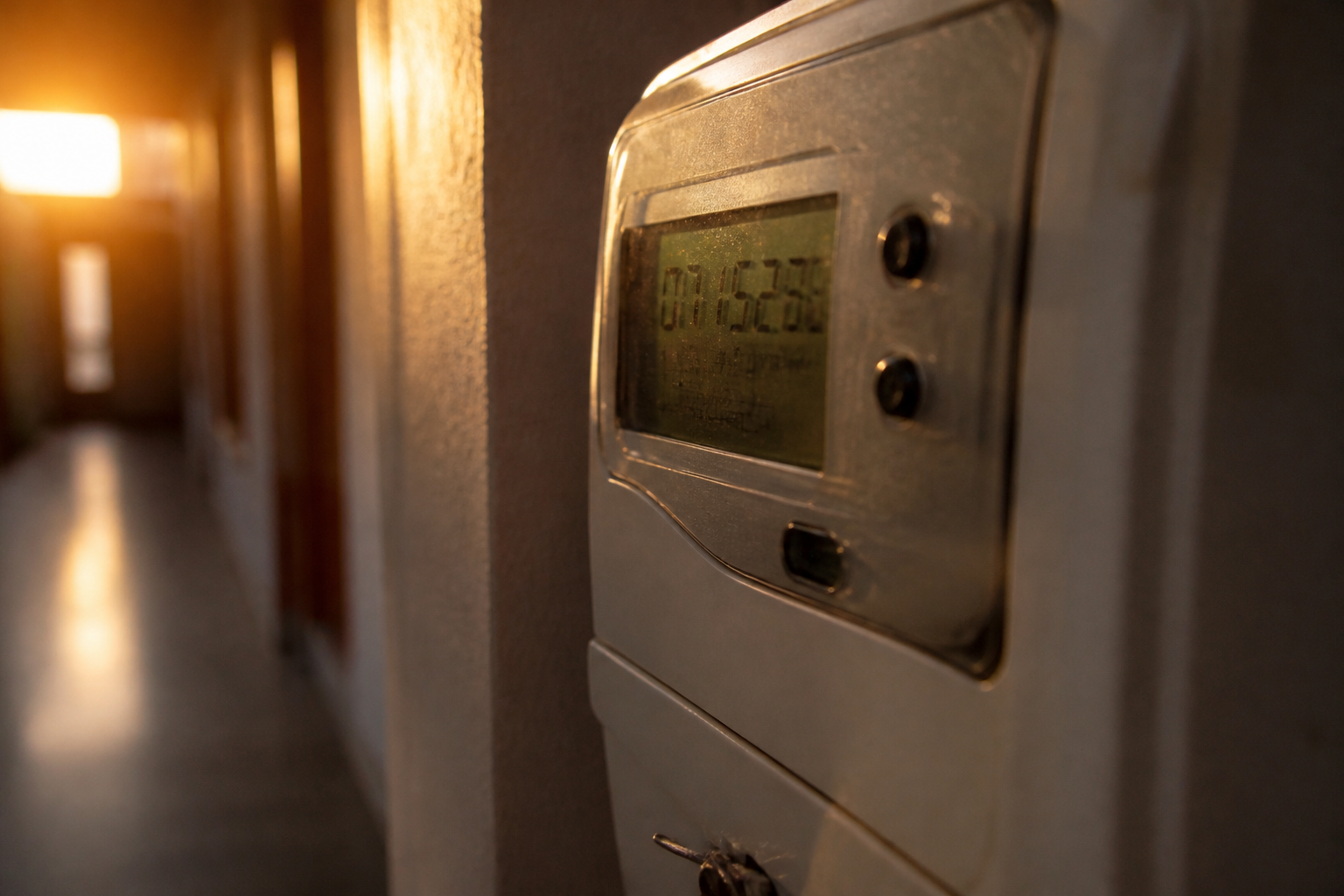
On 26 August 2026, Ofgem announced that household energy bills would reach a three-year high following a 4% increase in the price cap starting 1 October. This decision was primarily triggered by higher wholesale gas costs attributed to the conflict involving Iran. For a household with typical consumption patterns, this change represents an approximate annual increase of £60.
These adjustments occur within a market that has seen rapid fluctuations since 2021. While prices retreated from the extreme highs of the 2022 energy crisis, they have not returned to the levels of stability seen in the preceding decade. The recent trend indicates that upward pressure on energy costs persists, driven by geopolitical instability rather than domestic demand alone.
This rise is particularly notable as it marks a turning point in the gradual decline of energy prices that had characterised the first half of 2026. Because wholesale gas remains the primary fuel for a significant portion of UK electricity generation, any instability in the global gas supply chain quickly translates into higher costs for domestic consumers. Understanding these myths and facts about household energy costs is vital for any household attempting to build a long-term financial buffer against such price spikes.
| Metric | Status |
|---|---|
| October 2026 cap rise | 4% |
| Typical annual cost increase | £60 |
| Fixed tariff usage | One third of households |
Figures sourced from BBC reporting on the Ofgem announcement published 26 August 2026.
Regional and payment method variations
The price cap is not a flat rate across the entire country. There is regional variation due to differences in distribution and network costs, meaning residents in different parts of the UK pay slightly different amounts per unit. Furthermore, payment methods affect the specific rate a household experiences under the cap.
Employers providing guidance to staff on financial wellbeing should be aware that these regional disparities mean a national average figure is only an indicator. A employee's actual cost depends on their specific supplier, their geographic location, and their chosen method of payment, such as direct debit versus prepayment meters.
For example, those on prepayment meters often see different standing charges compared to those paying by monthly direct debit. Furthermore, regional distribution networks face different maintenance costs, which are passed on to the local grid users. Consequently, two households with identical usage levels in different parts of the country may experience different financial impacts from the same 4% cap increase.
The role of fixed energy tariffs
Not all households are subject to the quarterly fluctuations of the Ofgem price cap. Approximately one third of UK households operate under fixed-term energy tariffs. These contracts secure a specific price per unit for a set period, providing a shield against the volatility experienced in the variable market.
When wholesale prices rise, those on fixed tariffs may experience a temporary competitive advantage. However, when market conditions improve, those same households might find themselves paying rates higher than the current cap levels. It remains a strategic decision for any household to balance the security of a fixed rate against the potential for lower costs on a variable plan.
Before switching, households should evaluate the early exit fees associated with their current deal. If a household chooses to switch to a fixed-term tariff, they must consider how long the price is locked in. During periods of geopolitical uncertainty, the premium for certainty may be higher than during stable market conditions, making this an essential aspect of personal budget planning.
Approximately one third of UK households operate under fixed-term energy tariffs, providing a shield against the volatility experienced in the variable market.
Broader market context and government intervention
The UK government has acknowledged the strain of rising costs on household budgets. Recent measures, including a reduction in VAT on electricity bills, have been implemented to mitigate the impact of price hikes. Such policies aim to provide relief, with estimates suggesting these specific savings contribute approximately £45 to household budgets.
Looking forward, the outlook for energy prices remains cautious. Markets are currently monitoring geopolitical developments closely. While gas and electricity prices increased gradually through much of 2026, forecasts suggest the possibility of substantial increases in January 2027. Businesses and employees must plan for a persistent environment of high energy costs.
Public sector and private employer initiatives, such as providing information on energy efficiency, can complement these government measures. As part of our schemes, we advise that long-term resilience is built through a combination of smart energy usage and the adoption of modern, efficient home technology.

Long-term considerations for home energy
Beyond the immediate impact of the price cap, many households are investigating ways to reduce their dependence on the grid. Integrating technology like the solar scheme allows individuals to generate a portion of their own electricity. This approach shifts the focus from managing unit costs to managing total consumption volume.
Similarly, upgrading to the heat pump scheme offers a way to move away from gas-reliant heating systems. As national energy policy continues to incentivise transition, our schemes provide options for integrating these technologies. Understanding the interplay between the net zero home scheme and residential costs is becoming a central component of personal financial planning.
By focusing on the building envelope and heating efficiency, homeowners can reduce the total kilowatt-hours required to maintain a comfortable environment. This reduction in volume is the most effective hedge against unit price volatility. As energy efficiency standards evolve, aligning home improvements with long-term financial strategies will continue to be a priority for the average UK household.
Questions people ask
- Will the 4% price cap increase affect everyone in the UK?
- No. The increase specifically impacts households on standard variable tariffs. It does not affect customers who are currently locked into fixed-term energy contracts, as their unit prices are protected for the duration of the agreement. Those on variable rates should expect an increase in their monthly direct debits from 1 October.
- Why did the price cap rise despite the focus on renewable energy?
- The UK energy market still relies heavily on wholesale gas for both electricity generation and direct home heating. Geopolitical instability, particularly the conflict involving Iran, has driven up wholesale gas costs. Because the price cap mechanism is tied to these wholesale costs, the cap must rise to reflect the increased expense of procuring energy.
- How can I reduce the impact of rising energy costs on my household budget?
- Beyond monitoring usage, you can investigate improving your home's thermal efficiency or exploring the net zero home scheme. Reducing total electricity and gas consumption lessens the impact of unit price rises. Additionally, reviewing your payment method or considering fixed-term tariffs during favourable market windows may offer more predictable monthly budgeting for your household.
- Are there regional differences in what I pay under the price cap?
- Yes. The price cap accounts for regional variations in network and distribution costs. Energy is transported differently across the country, and maintenance requirements for local grids fluctuate by region. Consequently, the unit rate you pay is influenced by your geographic location, meaning two households with identical energy usage may face different total costs.
Keep reading

Green technology sector skills
Skills and capacity in the green installation sector

Home solar energy generation
Myths and facts about home solar energy

electricity grid connection reform
Managing grid connection risks for commercial energy projects

Home heating technology update
Domestic heat pump installation process

employee reward strategy analysis
Balancing reward budget and employee choice

employee reward strategy analysis
Choosing between salary sacrifice and personal car finance

Fleet tax and reporting
Business fleet vehicle classification and tax updates

UK household financial health
Mapping modern household expenditure patterns
electric vehicle charging logistics