


Home heating technology update
Domestic heat pump installation process
A guide to the mechanics of heat pump installation for residential properties, covering technical requirements and the current support landscape.
 Alex BlairChief Technology Officer
5 min readUpdated
What matters here
- Heat pumps extract low grade heat from outside air to warm homes.
- Installation requires assessing insulation and property heat loss.
- Financial support currently shifts as government budgets adjust.
In short
A heat pump works by extracting heat from the outdoor air or ground, using a refrigeration cycle to increase the temperature, and distributing it through radiators or underfloor heating. The process begins with a heat loss survey of your property. Once installed, it replaces the conventional boiler, offering an efficient method for household heating and hot water production.
The technology relies on the movement of thermal energy rather than the combustion of gas or oil. By leveraging small amounts of electrical input to drive a compressor, the system can extract significant renewable energy from the surrounding environment, even when ambient temperatures drop below freezing point. This makes it an essential technology for homeowners seeking to upgrade their infrastructure via the net zero home scheme.
The mechanical operation of heat pumps
A heat pump acts as a reverse air conditioning unit. It captures heat from the ambient air outside, even in cold temperatures, and transfers it into the property. The system uses a heat exchanger, a compressor, and a condenser to elevate the temperature of the heat to a level suitable for domestic radiators or underfloor systems.
Unlike a gas boiler, which generates heat by burning a fuel, a heat pump moves energy. Because it does not burn fossil fuels at the point of use, it is a key component of moving towards our impact goals in the domestic sphere. The efficiency of this process is measured by the coefficient of performance, which tracks how much heat is delivered for every unit of electricity consumed.
In practical terms, a typical air source unit might achieve a coefficient of performance of three, meaning one kilowatt of electricity provides three kilowatts of heat. This ratio is dynamic, fluctuating based on the temperature difference between the outside air and the water flow required for the internal central heating loop. Modern systems employ variable speed inverters to adjust the compressor output in real-time, ensuring the system draws only the minimum power necessary to maintain the set room temperature.
Assessing property suitability
Before installing a unit, a property must be assessed for heat loss. Heat pumps are most efficient when the building retains heat well. Draft-proofing and insulation are often prerequisites. This is why the Warm Homes Plan often links heating upgrades with retrofitting measures.
The survey determines the size of the unit required. An undersized system will fail to keep the home comfortable in deep winter. An oversized system may cycle too frequently, increasing wear and reducing efficiency. Engineers calculate the flow temperature required for the radiator size currently installed in the home.
During the site survey, the installer evaluates the total heat demand in kilowatts. This involves measuring individual room volumes, calculating fabric heat loss through walls and roofs, and accounting for window glazing performance. If the heat demand is significantly higher than the heat output of existing radiators at lower water flow temperatures, the installer will recommend upgrading the radiators to larger models or switching to underfloor heating to ensure the heat pump operates effectively.
| Factor | Requirement | Note |
|---|---|---|
| Insulation | High | Minimise heat loss |
| Space | External | Adequate airflow |
| Emitters | Radiators | Sized for lower temperatures |
Based on standard installation best practices for air source units.
The regulatory and subsidy landscape
Financial support for installation has historically relied on the Boiler Upgrade Scheme. As noted in recent updates, ministers are currently reviewing the budget for this scheme to prioritise broader national spending commitments. According to reporting from The Guardian on 12 October 2026, potential cuts to these grants are being considered as part of a wider effort to find two billion pounds in savings from the energy budget.
This shift signifies a transition in how the government approaches the decarbonisation of homes. Nesta, in their analysis from 9 October 2026, highlights that the stability of these schemes is central to the effective deployment of green heating technology. Households must navigate these changes when planning long term investments in The Heat Pump Scheme.
The current policy environment requires homeowners to act with increased awareness of project viability. Without guaranteed subsidies, the capital expenditure for a heat pump installation—which can range significantly depending on the site complexity—becomes a more prominent factor in household decision-making. Property owners are encouraged to consult current our schemes to understand available financing paths.
Some of two billion pounds in savings needed from energy budget expected to come from the boiler upgrade scheme.
Steps in the installation journey
The process starts with an initial survey from a certified professional. This professional assesses the internal heat distribution system. If the existing radiators are too small to operate efficiently with the lower flow temperatures typical of heat pumps, these must be replaced alongside the primary unit.
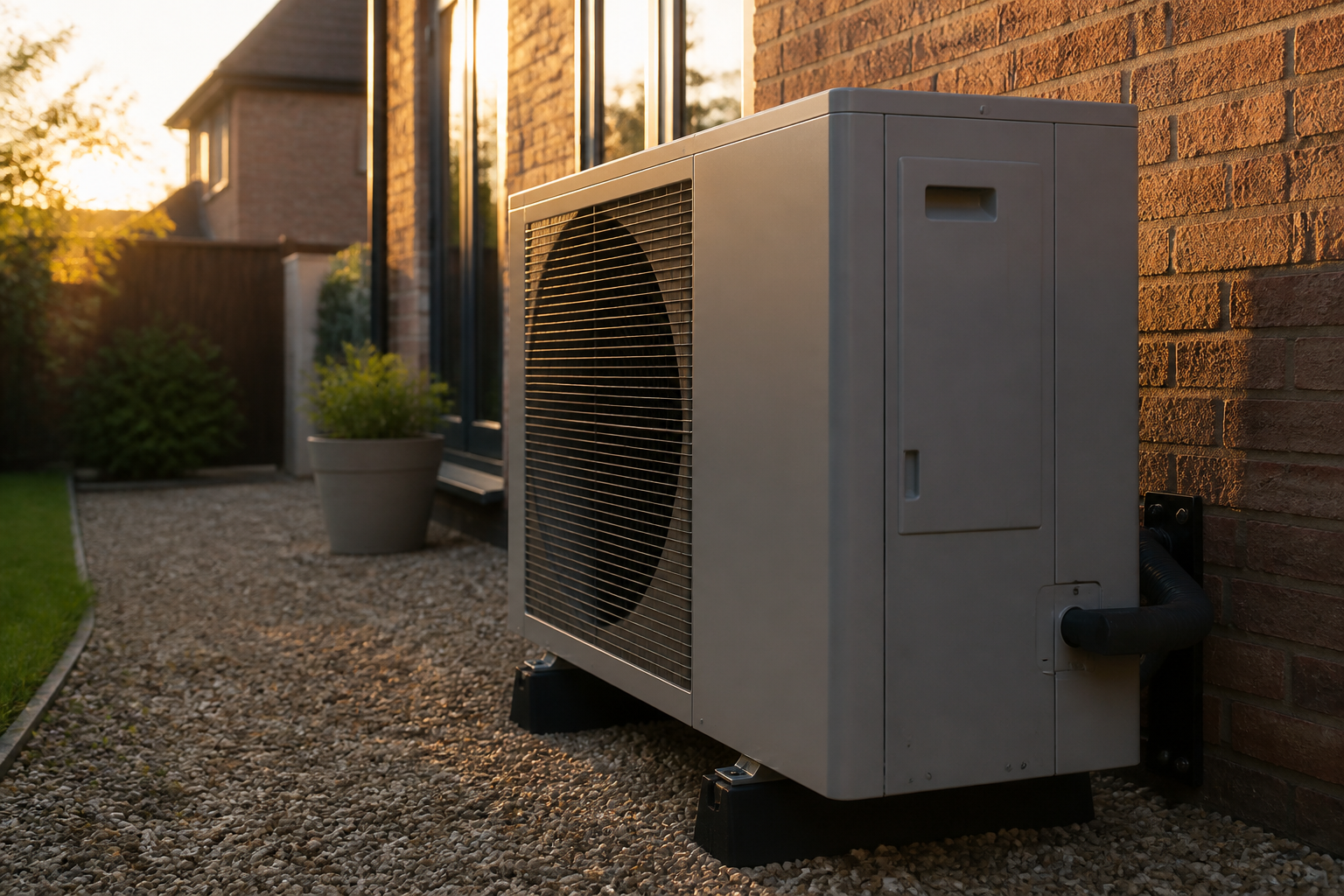
The physical installation involves positioning the external unit on a level concrete base and connecting it to the internal heat pump cylinder. A heating engineer handles the plumbing, while an electrician ensures the system meets grid connection standards. Once the system is commissioned, the engineer tests the flow and return temperatures to confirm operational accuracy.
Commissioning is the final, critical phase where the installer ensures the unit is balanced against the specific thermal requirements of the property. This includes checking the glycol levels in the refrigerant loop, verifying the insulation on external pipework to prevent energy loss, and configuring the heating controls to match the occupant's schedule. A thorough handover session should explain how the thermostat settings differ from traditional systems, specifically advising against aggressive setback temperatures.

Operational challenges and maintenance
Once operational, heat pumps require minimal maintenance compared to gas boilers. The primary requirement is keeping the external unit free of debris, such as leaves or snow, which could obstruct airflow. An annual service by a qualified technician ensures the refrigerant levels and electrical connections remain within safety specifications.
Users may notice the unit running for longer periods than a traditional boiler. This is normal. Heat pumps are designed for consistent, low-level operation rather than the short, high-intensity bursts associated with gas combustion. Understanding this difference is key to long term satisfaction with the system.
One common challenge is the acoustic profile of the unit. Because the fan and compressor operate regularly, placement relative to bedroom windows is vital to avoid disturbance. Furthermore, during particularly cold spells, the system may need to perform a defrost cycle to clear ice from the evaporator fins. This is an automated process that does not require user intervention, but it should be anticipated to avoid concerns regarding system reliability.
The broader policy context
The UK government target of decarbonising millions of homes relies on both individual adoption and public sector provision. The Ecologist noted on 20 July 2026 that while individual household adoption is critical, there is a need for balanced approaches that include district heat networks and community level infrastructure. This reflects the complex challenge of retrofitting existing, older housing stock.
For employers looking to understand these trends, the intersection of business fleet vehicle classification and domestic energy infrastructure is worth noting. As the market moves, The Solar Scheme or The Net Zero Home Scheme can provide context for how employees manage their overall domestic energy profile.
Integrating low carbon technologies requires a systemic view. When an employee transitions to an electric vehicle via the electric car scheme, they are often already considering the energy profile of their home. Aligning these upgrades—such as combining a heat pump with solar PV and battery storage—can offer a more cohesive approach to reducing total household carbon output and managing energy consumption costs.
Questions people ask
- How does a heat pump differ from a standard gas boiler in daily use?
- Heat pumps deliver steady, low-temperature warmth, running for longer durations compared to the rapid, high-intensity heat spikes of gas boilers. Users should avoid turning them off entirely, as the system is most efficient when maintaining a consistent temperature, preventing the need for energy-intensive heating cycles when the property has cooled significantly.
- Is my property suitable for a heat pump installation?
- Suitability is primarily determined by the building's thermal efficiency. Properties with effective wall, roof, and window insulation are ideal. An engineer must conduct a heat loss survey to ensure the radiators and plumbing can operate at the lower flow temperatures typical of heat pump systems, ensuring the property remains warm during winter.
- What maintenance is required after the heat pump is installed?
- Maintenance is minimal compared to gas boilers. Users must ensure the external fan unit remains free of leaves, debris, or snow to maintain airflow. An annual service by a certified technician is recommended to verify refrigerant pressures, check electrical connections, and ensure the system software is optimised for efficient operation throughout the year.
- Will government subsidies cover the full cost of heat pump installation?
- Subsidies fluctuate based on national budget priorities. While schemes like the Boiler Upgrade Scheme have historically provided support, government reviews may impact available funding. Prospective installers should check the latest status of The Heat Pump Scheme to understand current eligibility and the potential portion of costs that remain the responsibility of the homeowner.
Keep reading

Green technology sector skills
Skills and capacity in the green installation sector

Household energy price trends
Understanding the October 2026 household energy price cap

electricity grid connection reform
Managing grid connection risks for commercial energy projects

employee reward strategy analysis
Balancing reward budget and employee choice

Home solar energy generation
Myths and facts about home solar energy

employee reward strategy analysis
Choosing between salary sacrifice and personal car finance

Fleet tax and reporting
Business fleet vehicle classification and tax updates

UK household financial health
Mapping modern household expenditure patterns
electric vehicle charging logistics