Green workforce and skills
Green tech installer capacity and workforce development
Understand the current state of UK green technology installer capacity and what this means for HR teams planning infrastructure rollouts.
 Sara McAllisterHead of Operations
5 min readUpdated
What matters here
- Over 200,000 people work in the UK low carbon sector as of 2020.
- Clean energy infrastructure projects require a steady pipeline of skilled technicians.
- Investment in people is essential to meet the rising demand for green installations.
In short
The UK green technology sector requires a sustained investment in workforce training to match installation demand. With over 200,000 existing roles, the industry is expanding as solar and grid projects accelerate. HR leads should manage expectations regarding lead times by understanding that specialist certification and project-specific labour availability remain key drivers of installation speed for home energy upgrades.
To achieve a just energy transition, the workforce must be supported by policy frameworks that prioritise long-term vocational development rather than short-term hiring spikes. As outlined by the UK Health Alliance, investing in people is essential to meeting the technical requirements of the green economy. HR departments play a pivotal role in this ecosystem by coordinating the timing of benefit rollouts with the actual capacity of local supply chains.
The current scale of the green workforce
The UK renewable energy economy is substantial. By 2020, it already supported more than 200,000 roles. These jobs span the entire supply chain, from manufacturing components to final installation. The sector generated £41.2 billion in turnover, reflecting its role as a core component of the national economy. Understanding this base is helpful when evaluating the feasibility of widespread infrastructure adoption.
Recent analysis indicates that a further 400,000 jobs are expected to support the transition. This growth is not uniform across all regions or technologies. It is driven by specific requirements for grid work, storage, and clean energy generation. As employers consider implementing the solar scheme or other energy-saving benefits, the underlying capacity of the installer market is a relevant factor to consider.
According to the UK Green Skills Report, the market is currently navigating a period where demand for climate-conscious roles is outpacing the immediate availability of qualified professionals. For an employer, this means that while the ambition to decarbonise is high, the execution relies on a limited pool of certified contractors. Recognising this supply-demand gap allows for more realistic project roadmaps.

Drivers of new project development
Clean energy and utilities currently lead the job market for new project development. Solar power and storage solutions are prominent areas where activity is focused. Every project requires a combination of engineering expertise and on-the-ground technical labour. This demand informs the pace at which businesses can expect installations to proceed across their own operations or via employee benefits.
The shift towards smarter energy grids requires specialised technicians. This work differs significantly from traditional electrical installation. It often involves high-voltage systems and digital monitoring equipment. Employers looking at our schemes should note that the technical complexity of modern energy upgrades influences the time required for a qualified installer to reach a site and complete the commissioning process.
When planning infrastructure projects such as the charge scheme, it is essential to consider the phase of development. Early-stage site surveys are often the most time-consuming component, as they dictate the scale and safety parameters of the installation. A bottleneck at the survey stage usually indicates that a project is awaiting a technician with specific grid-monitoring certification rather than a lack of hardware supply.
Market capacity and installation timelines
Installer capacity is not static. It fluctuates based on regional demand and the availability of certified professionals. When a surge in interest for the heat pump scheme occurs, installer teams often experience a backlog. This is a common feature of a high-growth market where demand occasionally outstrips the immediate availability of skilled labour.
HR teams can mitigate project delays by engaging with vendors early. Transparent communication about expected timelines is more effective than assuming immediate availability. Factors influencing these timelines include the complexity of the property, the requirement for site surveys, and the lead time for specialised components. Managing these variables is part of the broader strategy for about providing green benefits effectively.
Operational delays often stem from the variability of property types. A standardised installation plan may work for modern developments, but older housing stock frequently requires bespoke structural adjustments. For instance, the net zero home scheme requires installers to navigate older wiring, meaning that site visits must be scheduled with sufficient contingency time to ensure compliance and safety.
| Sector | Focus Area | Labour Need |
|---|---|---|
| Solar | Residential | Medium |
| Storage | Grid scale | High |
| Heat Pumps | Domestic | High |
| Grid Work | National | Very High |
Figures based on current market development trends as reported in UK employment data.
Professional certification and quality assurance
The green technology market relies on high standards of certification. Technicians must be qualified to install complex systems safely. This rigorous training requirement acts as a gatekeeper for market capacity. While this ensures quality for the end user, it also means that the supply of labour cannot expand instantaneously. Employers should ensure that any installation partners involved in the net zero home scheme hold the necessary industry accreditations.
Quality assurance processes protect the business and the employee. A properly installed system functions efficiently for years. Poorly installed systems lead to maintenance issues and reduced savings. The trade-off between speed and quality is a constant in this sector. Patience during the installation phase is often rewarded by the long-term reliability of the system installed.
Regulatory standards, such as those governed by the Microgeneration Certification Scheme, mandate that only accredited installers can sign off on work that qualifies for government incentives. When reviewing contractor capability, HR departments should verify that the installers possess the relevant documentation for the specific technology being deployed, as this directly affects the success of employee benefit claims.
Regional variations in skills
Skills distribution varies across the UK. Some areas have a high density of solar installers, while others are more focused on grid and storage solutions. This variance affects how quickly an employer can scale a benefit programme across a national workforce. HR managers should check with their service providers to understand the regional coverage limits for specific technologies.
The government is actively supporting the development of green skills to address these imbalances. Policy initiatives are designed to encourage training providers to expand their curricula. As this matures, the geographic disparity in installer capacity is expected to narrow. This is a long-term trend that will make contact us and other advisory avenues more straightforward as the supply chain becomes more resilient.
Regional data suggests that in Northern regions, the demand for heat pump retrofitting has led to concentrated training programmes, whereas Southern markets are seeing a higher concentration of smart grid software engineers. Understanding these regional focuses is helpful for large employers managing distributed workforces, ensuring that benefit launches are aligned with the local availability of technical expertise.
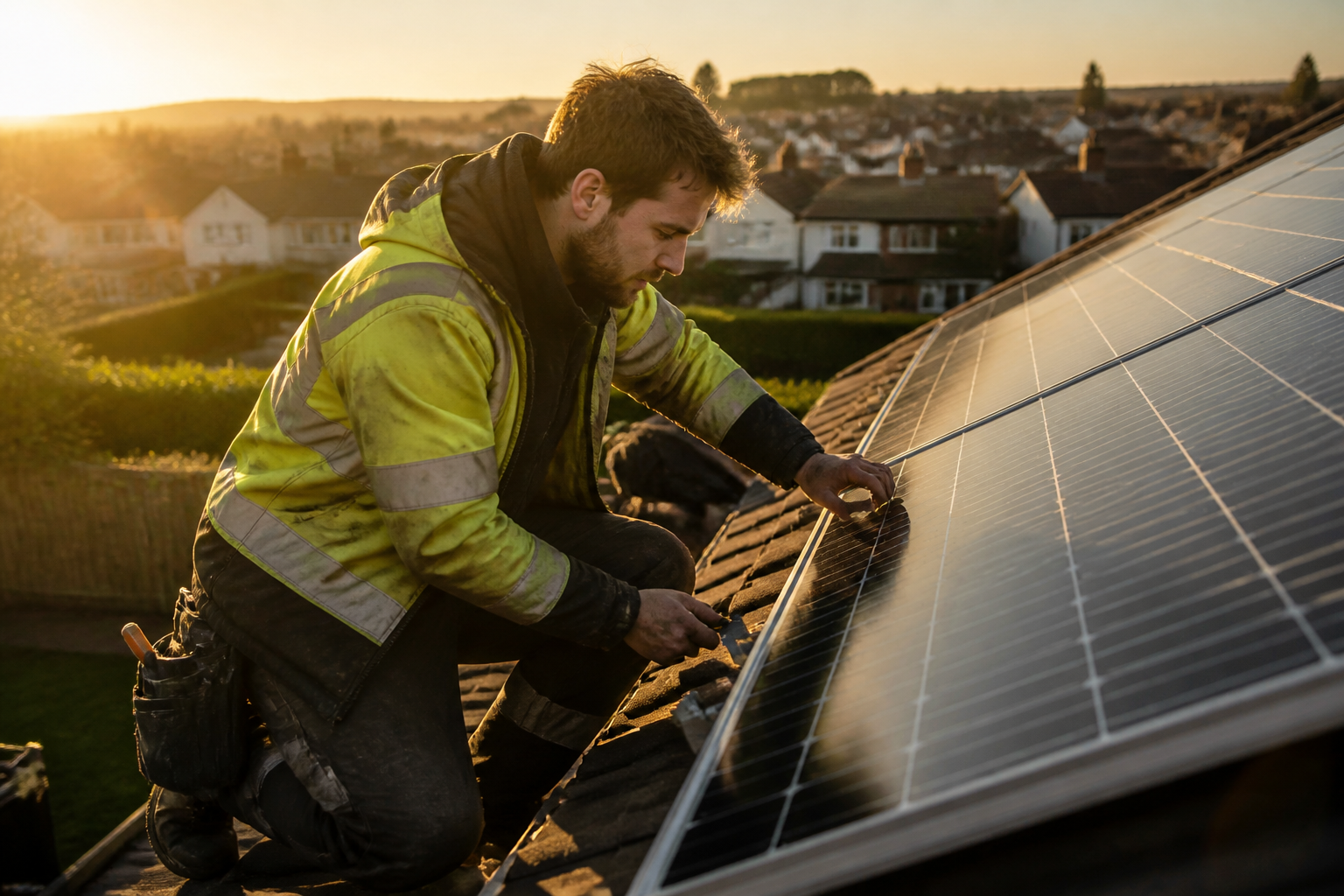
Every project requires a combination of engineering expertise and on-the-ground technical labour.
Strategic planning for benefit rollouts
Integrating green benefits requires a balanced approach to capacity. It is beneficial to stage the rollout of technologies like solar or heat pumps rather than attempting a simultaneous launch. Staging allows installers to maintain quality standards and gives the HR team time to collect feedback. This method is consistent with best practices for managing employee engagement.
Consistent communication is key. Employees value clarity on why a specific technology might have a lead time. Providing data on why installations are being managed in phases helps build trust. For more information on navigating these complexities, consult our insight library. Balancing the ambition of the benefit with the practical reality of the supply chain will result in a more successful implementation.
Successful rollouts depend on the integration of data. By tracking installation milestones, HR teams can adjust their communication cycles, ensuring that employees are kept informed about their project progress. This transparency prevents frustration and supports a positive experience for all stakeholders involved in the transition to the electric car scheme or other green initiatives.

Questions people ask
- How should HR plan for regional variations in green tech skills?
- HR teams should conduct a regional audit of their workforce against the installer network density of their chosen provider. By phasing rollouts—starting in areas with higher installer concentration—companies can manage expectations and refine their operational processes before scaling nationally, ensuring that our schemes are delivered consistently across all locations.
- Why do installation times for green home upgrades fluctuate?
- Timelines vary due to site-specific complexities, such as the age of the property's wiring or the need for bespoke structural surveys. Additionally, high demand for specific technologies like those found in the heat pump scheme creates backlogs for certified professionals, meaning that installation speed is ultimately governed by the availability of qualified, accredited labour.
- What is the primary factor limiting the immediate growth of green tech installation?
- The main constraint is the requirement for rigorous professional certification. Ensuring that installers are qualified to handle complex high-voltage systems and modern monitoring technology is a necessary safety gatekeeper. This training process takes time, preventing the workforce from expanding instantaneously, even when demand for green installations is high.
- How can businesses ensure the quality of their green installations?
- Businesses must verify that their installation partners hold relevant industry accreditations. High-quality installation is essential for long-term system efficiency and maintenance. While opting for experienced, certified installers may extend initial project timelines, it protects the investment and ensures the technology performs effectively, reducing the likelihood of future faults and performance issues.
Keep reading

UK net zero policy
UK net zero spending and policy targets reviewed

UK energy price regulation
Understanding the October 2026 energy price cap

Employee financial wellbeing metrics
Supporting employee financial stability with data

Home solar energy generation
Trends in domestic rooftop solar adoption for 2026

Home heating technology update
Deciding on domestic heat pump installation

electric vehicle charging guidance
Practical steps for managing your electric vehicle charging

Business travel expense strategy
Deciding between business mileage claims and salary sacrifice

employee reward strategy analysis
Optimising personal reward strategy with salary sacrifice

electric vehicle market trends