

electric vehicle charging logistics
Myths and facts about UK electric vehicle charging
We examine the reality of UK charging infrastructure to help employees navigate home, workplace and public charging with clarity.
 Sara McAllisterHead of Operations
5 min readUpdated
What matters here
- Public charging infrastructure has expanded to over 120,000 points nationwide.
- Home charging remains the most convenient and cost effective method for most drivers.
- Workplace charging supports employees who cannot charge at home during the day.
In short
Public charging is rapidly expanding with over 120,000 charge points now available across the UK. While long-distance travel is increasingly convenient due to a growing network of rapid chargers, most drivers rely on home or workplace charging for daily needs. Assessing your specific access to these options is the most important step before making the transition to an electric vehicle.
The charging landscape is changing as infrastructure catches up with the widespread adoption of battery electric vehicles. Understanding the distinction between slow, fast, and rapid charging is essential for employees looking to integrate electric vehicles into their daily routines. Practical considerations such as residential street layout, grid connection capacity, and availability of workplace chargers determine the long-term viability of your switch.
The scale of the public charging network
Misconceptions about charging infrastructure often stem from a lack of clarity regarding the current network size. As of July 2026, the UK public charging network has surpassed 120,000 charge points. This total includes a significant number of rapid and ultra-rapid chargers, which are designed to minimise wait times during longer journeys.
The current pace of deployment is necessary to keep up with the increasing number of electric vehicles on the road. The BVRLA Road to Zero Report 2026 indicates that to meet 2030 targets effectively, the rate of installation must continue to climb. Achieving a target of 48,000 new public chargers annually is the current aim to ensure accessibility remains high for all road users. Fleet News analysis confirms that while the absolute count is growing, the focus has shifted toward high-speed connectivity along key logistical arteries.
Infrastructure growth is not uniform across the country. Denser urban areas currently host a higher density of slow and fast chargers, suitable for destination charging, whereas arterial roads have seen investment directed at ultra-rapid hubs. Employers seeking to evaluate employee charging potential should look at our schemes to understand the regional distribution of current capacity and the projected growth in their specific locations.
Evaluating home charging capacity
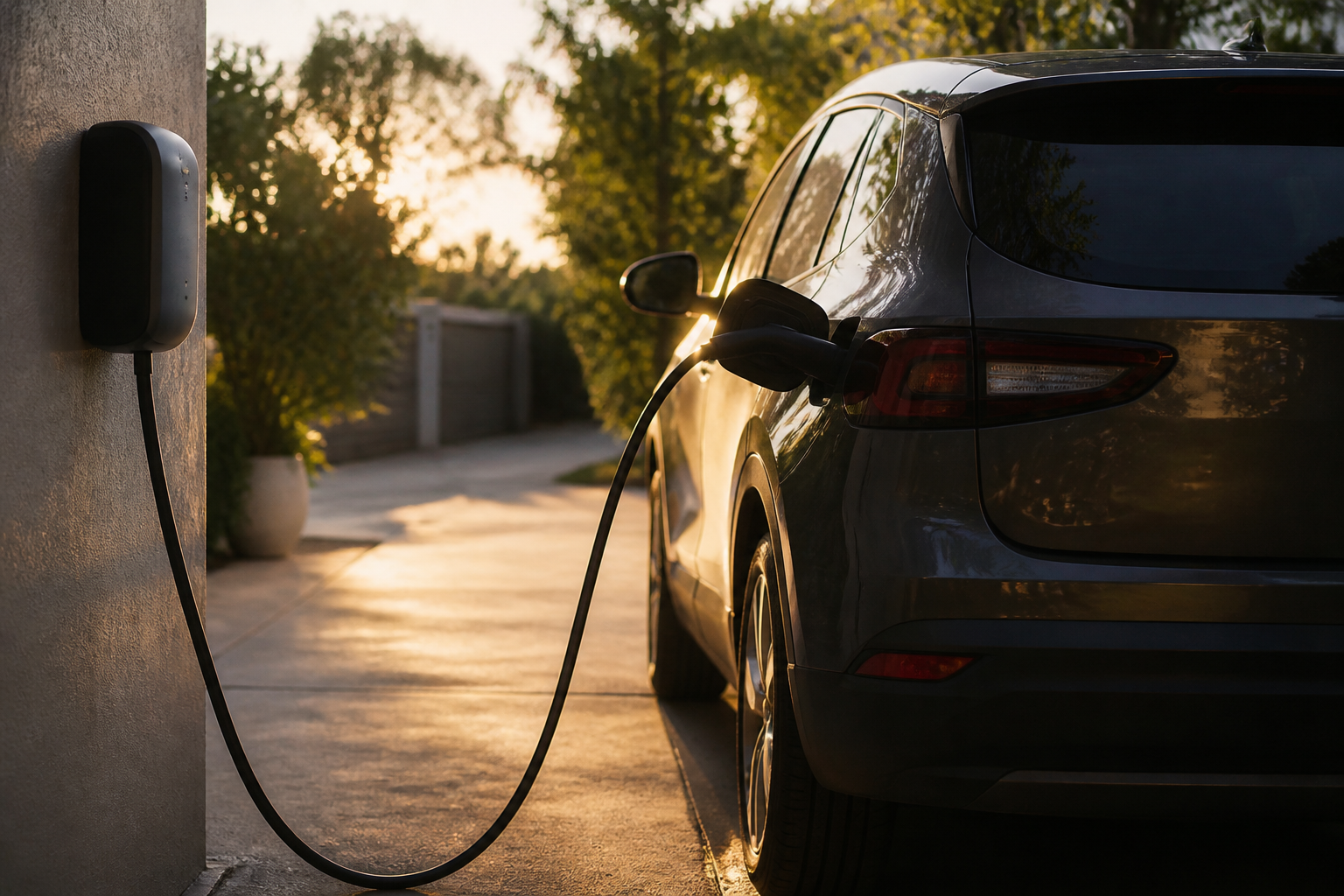
Home charging is often the preferred method for the majority of electric vehicle drivers. It allows for consistent overnight charging, often at lower tariffs than public infrastructure. Evaluating your home suitability involves checking your driveway access and potential electrical grid capacity. Using our schemes can help you determine the feasibility of installing domestic hardware.
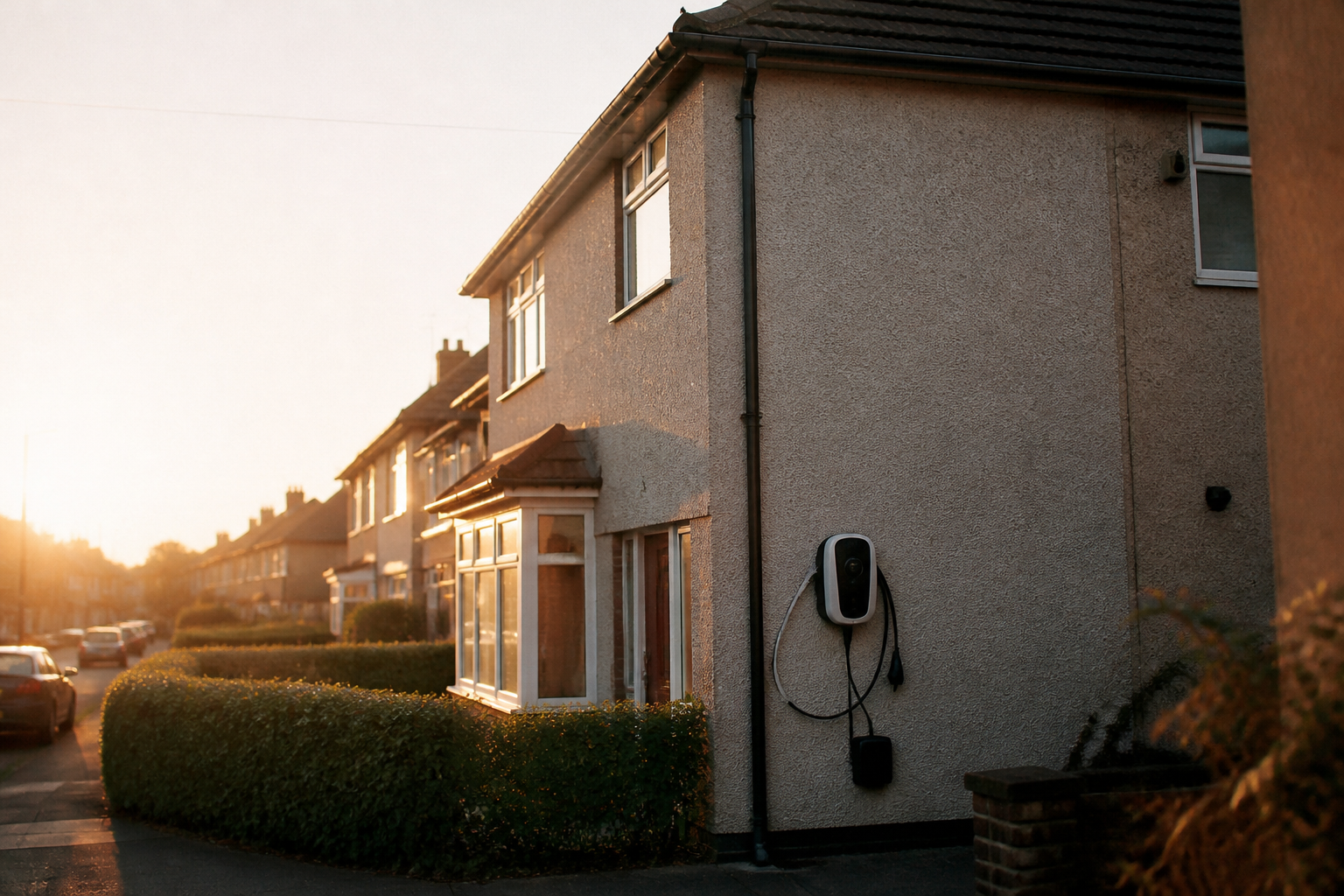
When planning for a home charger, consider the distance from your consumer unit to the parking space. In some older properties, electrical upgrades may be required to accommodate modern charging speeds. Consult with qualified installers to assess your specific property needs early in your decision process.
A common technical barrier is the capacity of the property's main fuse. If the dwelling's total electrical demand exceeds the current supply, installers may need to apply for a DNO connection upgrade or install a load-balancing device. This device monitors total household consumption and throttles the charger during periods of high usage, such as running a cooker or shower, to prevent a main fuse trip. For further guidance on integrating domestic energy systems, read our insight on efficient home energy management.
| Location | Convenience | Typical Speed |
|---|---|---|
| Home | High | Standard |
| Work | Medium | Variable |
| Public | Varies | Fast/Ultra-fast |
Convenience ratings are subjective based on individual access to private driveways or office charging facilities.
The role of workplace charging
For employees without private off-street parking, workplace charging provides a vital alternative. Many organisations are now installing charging points to support staff transitioning to electric vehicles. This infrastructure is particularly effective for those who commute during the day, allowing them to charge their vehicle while it sits idle.
Managing demand at work requires coordination. Employers often use smart charging software to rotate access among staff members, ensuring that everyone can maintain their required battery range. This approach prevents grid overloading and maximises the utility of the available installation.
To manage this transition effectively, employers should consider A practical guide to electric vehicle leasing for employees to help staff understand the financial and logistical benefits of fleet integration. By offering workplace charging as part of a wider package, companies can mitigate the risks associated with public network reliance and foster higher rates of electric vehicle adoption among employees with limited home charging options.
Dispelling public network myths
A common concern is that the public network is unreliable or insufficient for regular travel. Evidence shows that with over 28,000 rapid chargers available, the network is increasingly robust. The primary challenge is not the total number of chargers but ensuring they are located where drivers need them most, such as near motorways and major arterial routes.
Drivers should familiarise themselves with The Electric Car Scheme or The Charge Scheme resources to understand how planning tools help locate chargers. Apps and in-car navigation systems now provide real-time updates on charger availability and status, which helps reduce 'range anxiety' by ensuring you have a confirmed spot before you arrive.
Reliability issues often relate to maintenance cycles rather than a lack of total capacity. Modern charging networks now feature improved real-time reporting protocols. If a charger is out of service, most current network providers push an immediate notification to connected platforms. Checking real-time status before departure is standard practice for long journeys to ensure a seamless experience.
The UK public charging network has surpassed 120,000 charge points, but is it growing quickly enough?
Managing charging costs and tariffs
Charging costs vary significantly depending on where and when you charge. Overnight home charging is typically the cheapest option as it benefits from off-peak electricity rates. Understanding your current energy tariff and whether it allows for smart charging is essential for minimising your monthly running costs.
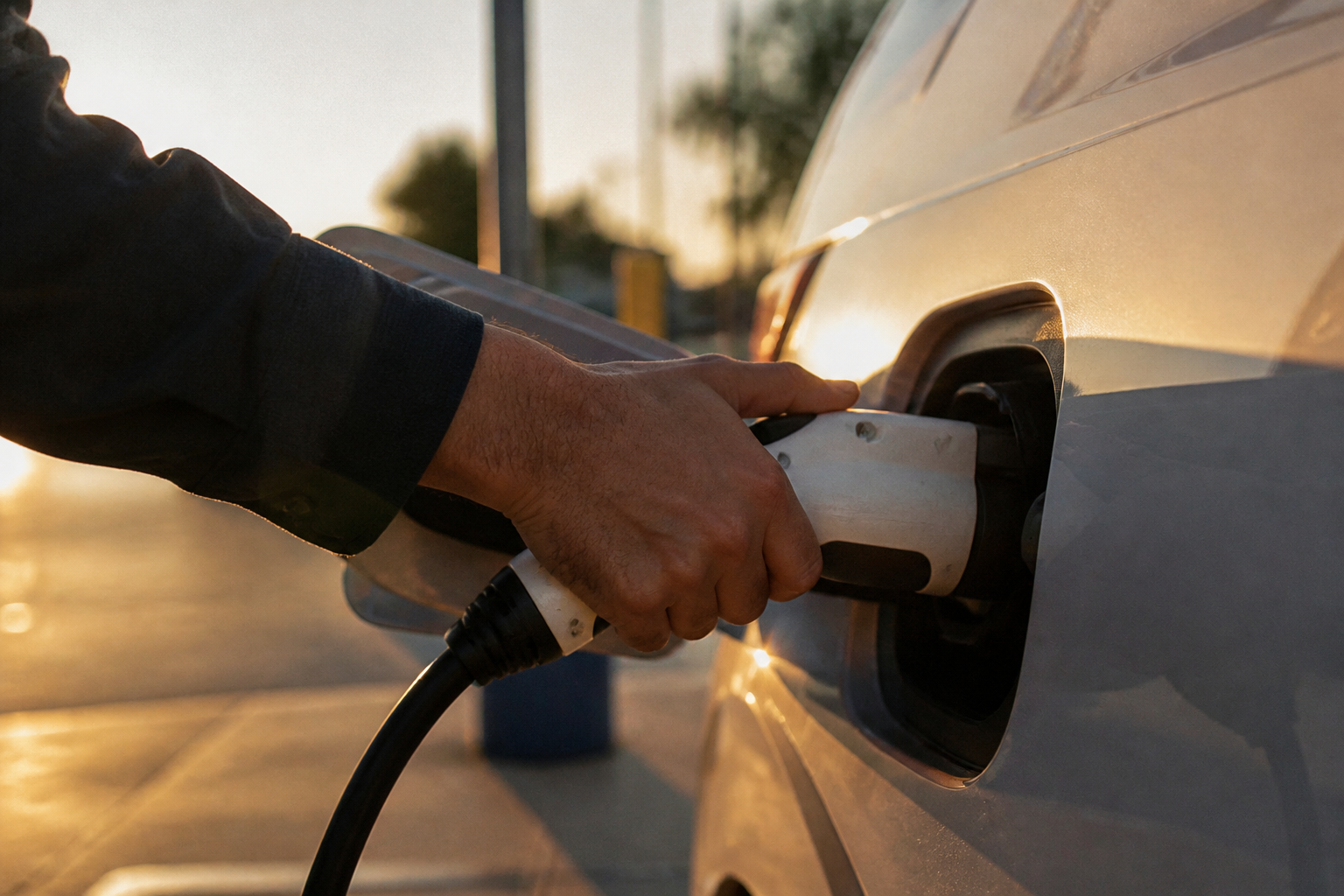
Public rapid charging is faster but carries a premium compared to home charging. Using public stations selectively for long journeys, rather than daily needs, keeps overall costs predictable. It is worth tracking your charging data over the first three months of ownership to understand your personal consumption patterns.
Many drivers find that using automated scheduling via the vehicle’s own interface or a smartphone application allows them to charge during off-peak windows when energy prices are lowest. This is particularly relevant for those on time-of-use tariffs. Further information on financial planning for energy usage is available in Myths and facts about household energy costs, which provides context on managing fluctuating energy market expenses.
Preparing for future network growth
The sector is currently navigating a period of rapid development. With the 2030 targets driving infrastructure investment, we expect to see more chargers appearing in residential areas and rural locations. Employers are encouraged to review our schemes to stay informed about how to integrate these advancements into their wider benefits offerings.
Ongoing grid upgrades, as discussed in Great British Grid and new connection reforms, will eventually allow for higher power throughput at more locations. Staying updated on these national improvements will provide a clearer picture of how charging convenience will continue to improve for all drivers over the coming years.
As the density of the network increases, the reliance on high-speed public chargers for short-distance commutes is expected to decrease. Future-proofing your personal or company strategy involves prioritising slow and fast charging infrastructure at home and work, leaving rapid chargers for their intended use: enabling long-distance travel across the country.
Questions people ask
- Can I install a charger if I do not have off-street parking?
- If you lack a driveway, you cannot install a standard home charger. You must rely on workplace charging, local public street chargers, or rapid-charging hubs. Some local authorities run trials for on-street lamp-post charging, but accessibility varies by region. Consult with your local council regarding their specific infrastructure plans and permit availability for residents.
- How do I ensure my home electrical supply can handle an EV charger?
- Consult a qualified installer to perform a load assessment of your property's electrical system. If your supply is insufficient, they may install a load-balancing unit. This device dynamically manages the power output to your charger during peak household energy use, preventing your main fuse from tripping and ensuring safe, reliable charging for your vehicle.
- What is the difference between charging speeds?
- Charging speeds vary by power output. Slow chargers (up to 7kW) are best for overnight home use. Fast chargers (7kW to 22kW) are common in workplaces and public parking. Rapid and ultra-rapid chargers (50kW to 350kW) are designed specifically for motorways and quick top-ups during long journeys, providing significantly faster replenishment than domestic setups.
- Do I need different apps for every public charging network?
- While many networks have their own apps, industry trends are moving toward universal payment solutions. Most new rapid chargers now accept contactless bank cards directly. However, it is advisable to keep an app for your most frequently used networks to access real-time status data, remote starting capabilities, and potential loyalty discounts or improved billing tracking.
Keep reading

Fleet tax and reporting
Business fleet vehicle classification and tax updates

UK household financial health
Mapping modern household expenditure patterns

Green technology sector skills
Skills and capacity in the green installation sector

employee reward strategy analysis
Balancing reward budget and employee choice

employee reward strategy analysis
Choosing between salary sacrifice and personal car finance

electricity grid connection reform
Managing grid connection risks for commercial energy projects

Home heating technology update
Domestic heat pump installation process

Home solar energy generation
Myths and facts about home solar energy

Household energy price trends