

Clean heating policy trends
Addressing the UK heat pump spark gap
Analysing the impact of the spark gap on home heating electrification and what the latest research means for the transition to clean heat.
 Mas MortonChief of Staff
5 min readUpdated
What matters here
- The electricity to gas price ratio remains a significant barrier for heat pump adoption.
- Policy focus is shifting towards narrowing the spark gap to lower running costs.
- Commercial and domestic sectors face distinct challenges in transitioning to electric heating.
In short
The spark gap is the price differential between electricity and gas. Because electricity is currently more expensive per unit, running a heat pump can be costly compared to a traditional gas boiler. Government intervention to narrow this ratio to 3:1 is recommended by industry experts to make clean heating technology more affordable and competitive for UK households and businesses.
Understanding the spark gap
The recent Energy UK report, Sparking Change, outlines a core issue preventing the rapid transition to low carbon heating. It defines the spark gap as the high cost of electricity relative to gas. As households and businesses consider the switch from fossil fuel systems to electric heat pumps, the running costs represent a major factor. The report notes that the UK currently maintains one of the highest electricity to gas price ratios among major economies.
This economic structure creates a practical hurdle. For a finance director or property manager, the choice between upgrading to a cleaner system and sticking with existing gas infrastructure involves long term cost projections. When electricity is significantly more expensive than gas, the financial benefit of transitioning is masked, even when the underlying technology is more efficient. Industry advocates are calling for urgent government intervention to bridge this divide.
To illustrate the impact, consider the seasonal coefficient of performance (SCOP) of a typical air-source heat pump. If the ratio remains skewed, the operational savings achieved through high efficiency are largely absorbed by the unit cost premium. Addressing this via our schemes allows organisations to model scenarios where the gap is narrowed, providing a clearer view of the internal rate of return for decarbonisation projects.
Targeting the three to one ratio
The core recommendation from recent sector analysis is the move towards a 3:1 domestic spark gap. This target ratio is viewed as the tipping point where the efficiency of heat pump systems can effectively compensate for the unit price differences between energy sources. If achieved, this would align the operational costs of electric heating with the current expectations for gas heating, making the transition a standard financial decision rather than a premium investment.
Policy direction is clearly focused on this adjustment. By reducing the reliance on volatile international gas markets and prioritising the electrification of space heating, the UK aims to build a more resilient economic foundation. For those managing corporate estates, this trend suggests that the internal business case for heat pumps will likely strengthen as these policy corrections take effect.
Realising this 3:1 ratio requires structural changes to how environmental and social levies are applied to energy bills. Currently, these costs are disproportionately loaded onto electricity. By rebalancing these levies, the government can effectively lower the unit price of electricity for residential and commercial users without requiring direct subsidy, creating a more sustainable pathway for the net zero home scheme.
| Factor | Gas Boiler | Heat Pump |
|---|---|---|
| Operational cost | Variable/High | Efficient/Lower |
| Energy source | Gas | Electricity |
| Policy focus | Phase out | Strategic priority |
| System lifespan | Medium | High |
Figures and trends based on the Sparking Change report by Energy UK, October 2026.
The commercial sector perspective
The challenge of decarbonising the UK estate is not limited to residential properties. Schools and commercial buildings face specific hurdles in their transition. The Baxi report from August 2026 maps the complex landscape of regulations and grants that schools must navigate. Financial directors in the education sector need to balance the mandate to reach net zero with the immediate reality of tight operational budgets and rising energy requirements.
Much like residential users, schools need a stable and predictable pathway for energy upgrades. The integration of our schemes can assist in evaluating how capital expenditure on clean heat infrastructure fits within broader fiscal planning. Ensuring that installation strategies align with current policy is key to managing long term risk and capturing available funding support.
For educational institutions, the procurement process often involves public sector frameworks that mandate energy efficiency audits. These audits often reveal that heat pump feasibility is contingent on the building's thermal envelope. Without proper fabric improvements, the financial viability of such projects often fails to meet the stringent criteria set by local authorities or government grant bodies.
Mapping out the installation process
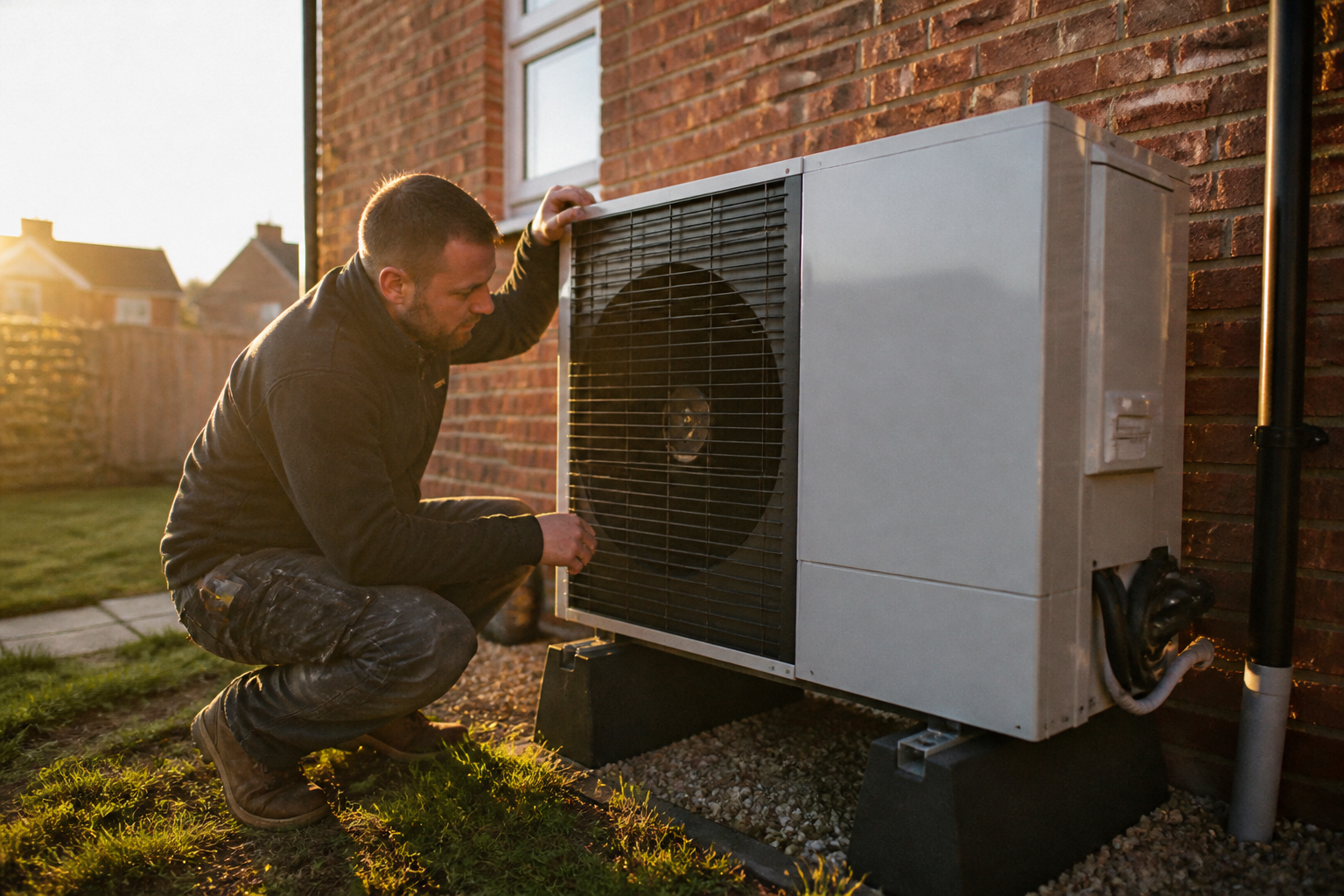
Transitioning to electric heat requires a detailed understanding of the domestic heat pump installation process. The complexity often lies in the pre-installation surveys and site preparation. Ensuring that a property is properly insulated before fitting a heat pump is critical to realising the full efficiency benefits. A poorly insulated building will force an electric system to work harder, negating the savings intended by a reduced spark gap.
Employers should consider the holistic approach to our schemes to provide employees and staff with structured paths for these home improvements. By focusing on the technical requirements of the property first, it is possible to reduce the overall energy demand and lower the operational burden regardless of the immediate spark gap status.
Common pitfalls in this process include inadequate pipework sizing and failure to correctly match the heat pump capacity to the actual heat loss of the building. We provide guidance through insight to help users identify qualified installers who follow industry-standard performance estimation models, ensuring the system operates within its design parameters once commissioned.
Evaluating infrastructure and grid connection
Beyond the unit price of energy, managing grid connection risks is a significant consideration for large scale energy projects. For businesses exploring the Heat Pump Scheme, understanding local grid capacity is essential. In many regions, the existing network infrastructure requires reinforcement before significant new electrical loads can be accommodated.
Managing these connections requires early engagement with distribution network operators. Delays here can cause substantial project drift, increasing costs and stalling carbon reduction goals. For a finance director, assessing these risks early in the procurement phase is as vital as analysing the market price of electricity. Referencing managing grid connection risks for commercial energy projects provides further context on the technical requirements.
Technical constraints at the local level often relate to transformer capacity. In older urban areas, the cumulative load of multiple heat pumps and electric vehicle chargers can lead to network congestion. Coordinating with utility providers during the design stage is essential to determine whether local reinforcement is required or if demand-side management software can mitigate grid connection issues.
The biggest barrier to clean heat is the UK’s high spark gap.
Considering the broader energy landscape
Financial planning for 2027 and beyond requires a clear view of the energy landscape. The October 2026 energy price cap provides a snapshot of current pressures, but it is the long term trend of the spark gap that will define the success of widespread heat pump adoption. Organisations must remain agile, incorporating these energy cost shifts into their financial forecasting and reward structures.
By focusing on our schemes, we assist organisations in maintaining stability while transitioning to sustainable technologies. Whether through solar integration with the solar scheme or upgrading home heating, the goal is to decouple operational performance from the volatility of international gas markets.
Ultimately, the transition to electrification is a multi-year strategy. While current price disparities present a barrier, forward-looking organisations are positioning their estates to take advantage of upcoming rebalancing efforts. By leveraging the electric car scheme in parallel with heating upgrades, businesses can optimise their overall energy demand, using smart technology to balance loads effectively.

Questions people ask
- What exactly is the spark gap in the context of UK energy policy?
- The spark gap refers to the price difference between electricity and gas per kilowatt-hour. In the UK, electricity is currently significantly more expensive than gas. Industry experts advocate for narrowing this to a 3:1 ratio to make running electric heat pumps financially competitive against traditional gas boilers for consumers and businesses.
- Why does the spark gap matter for heat pump adoption?
- The spark gap affects the operational cost of heating systems. Because heat pumps run on electricity, a high spark gap means that even a highly efficient system can cost more to run than a gas boiler. Narrowing this gap ensures that the efficiency benefits of electrification result in actual financial savings for users.
- How can businesses reduce their exposure to energy price volatility?
- Businesses can reduce volatility by integrating on-site generation through the solar scheme and upgrading to efficient electric heating. By reducing reliance on the national gas network and implementing smart energy management, organisations can better forecast costs and decouple their operational expenditure from international fossil fuel market fluctuations.
- What are the common risks when installing a heat pump in a commercial building?
- Primary risks include inadequate building insulation, which reduces system efficiency, and local grid capacity limitations. Proper site surveys and early engagement with distribution network operators are essential to prevent project delays. Referencing our insight on managing grid risks helps ensure that technical infrastructure is fit for purpose before procurement.
- How do government policy changes impact the feasibility of heat pump upgrades?
- Government policy regarding energy levies is a critical driver for the spark gap. Rebalancing these levies off electricity bills would directly improve the return on investment for heat pump projects. Organisations monitoring these policy shifts are better prepared to time their capital investments in clean heating infrastructure for maximum long-term efficiency.
Keep reading

electricity grid capacity analysis
Understanding the UK power grid and supply reliability

Green technology sector skills
Skills and capacity in the green installation sector

Home heating technology update
Domestic heat pump installation process

Home solar energy generation
Myths and facts about home solar energy
business fleet electrification strategy
Business fleet transition data and driver requirements

electric vehicle market trends
UK electric vehicle market growth and policy status

employee reward strategy analysis
Balancing reward budget and employee choice

employee reward strategy analysis
Choosing between salary sacrifice and personal car finance

Fleet tax and reporting