


Household energy finance
Understanding rising household energy bill forecasts
A breakdown of how UK energy price forecasts and standing charges impact household finances and what payroll teams need to know.
 Mas MortonChief of Staff
5 min readUpdated
What matters here
- Forecasts suggest energy bills could rise by 16 percent in January 2027.
- The gas standing charge is under review for potential abolition.
- Reducing the electricity to gas price ratio remains a key policy goal.
In short
Household energy bills are calculated using a price cap set by Ofgem, which reflects global wholesale costs. Recent projections indicate a 16 percent increase in typical annual bills starting in January 2027, driven by international market volatility. Policymakers are now focusing on the electricity to gas price ratio to influence how households manage heating costs and long-term energy efficiency.
For UK employers, understanding these shifts is critical when managing workforce financial wellbeing. As utility costs represent a fixed and non-discretionary expenditure for staff, rising bills directly impact net disposable income, potentially increasing the demand for salary sacrifice schemes that help offset domestic costs.
The mechanism of the energy price cap
The UK energy price cap is not a limit on the total amount a household pays. Instead, it restricts the maximum price suppliers can charge for each unit of gas and electricity, as well as the daily standing charge. Ofgem adjusts these caps periodically to reflect the costs suppliers face when buying energy on the wholesale market.
Market analysts often issue forecasts that inform businesses and families about what to expect in the coming quarters. Recent projections suggest that households could see an increase of 16 percent in their annual bills early in 2027. This shift often stems from geopolitical tensions affecting global supply chains and the resulting price of imported energy sources.
The cap calculation process involves a weighted assessment of wholesale costs, network operator charges, and the cost of government social schemes. When wholesale prices rise, suppliers pass these through the cap mechanism. Businesses must recognise that an increase in the cap does not imply a price ceiling, but rather a protection against excessive retail margins. Employers should review our schemes to assist staff in navigating these inflationary pressures.
Understanding standing charges
Standing charges are fixed daily costs that cover the expense of maintaining the energy network, metering, and other operational overheads. These are applied regardless of how much energy a property consumes. This structure has led to criticism because it can represent a significant portion of a low-energy user's total bill, potentially discouraging efficiency improvements.
Recent policy discussions are actively exploring the case for abolishing the gas standing charge. The goal is to ensure that energy costs are more directly tied to actual usage, which would simplify bills and theoretically remove a barrier for those looking to manage their consumption more effectively. You can read more about how household gas standing charges will change as this policy develops.
For employees, the standing charge acts as a baseline cost that persists even when occupancy is low. This regressive nature affects those in smaller, energy-efficient homes disproportionately. Evaluating options such as The Net Zero Home Scheme allows households to move towards a profile where energy demand is lowered, though the fixed daily charge currently remains a unavoidable component of every monthly statement.
| Component | Purpose | Charge Type |
|---|---|---|
| Unit rate | Covers energy consumed | Variable |
| Standing charge | Covers network maintenance | Fixed daily |
| VAT | Government tax | Percentage of bill |
Based on standard Ofgem methodology for calculating the price cap.
The electricity to gas price ratio
A critical factor in the UK energy transition is the ratio between the price of electricity and the price of gas. Currently, electricity is relatively expensive compared to gas. This ratio significantly influences decision-making for homeowners. If electricity is cheaper, it becomes more attractive to run efficient technologies such as those found in The Heat Pump Scheme rather than relying on fossil fuel heating.
Government policy is increasingly focused on reducing this ratio. The objective is to make electric heating the more logical choice for the average household. By aligning these costs, the barrier to upgrading home heating systems is lowered, which helps in the broader effort to improve energy efficiency across the country.
The current imbalance often discourages the adoption of heat pumps because the operational cost of electricity is higher per kilowatt-hour than the equivalent heat provided by natural gas. Solving this pricing disparity is essential for long-term decarbonisation. Industry experts note that as the grid becomes cleaner, rebalancing the levies currently applied to electricity bills will become a primary policy lever.
Impact of global events on domestic bills
Energy markets are inherently global. Disruptions in major oil and gas producing regions can have immediate, cascading effects on the wholesale prices paid by UK suppliers. The recent forecast of nearly 2000 pounds for the typical annual bill illustrates how sensitive the domestic market is to external geopolitical conflicts.
While suppliers buy energy well in advance to smooth out price shocks, these strategies eventually reach their limits when wholesale prices stay high for sustained periods. This forces the price cap upward, as reflected in current projections for the first quarter of 2027. Businesses and employees must plan for these cyclical shifts in their financial forecasting.
The volatility caused by conflicts often leads to a rapid price adjustment cycle. When wholesale costs spike, the lag in supplier purchasing strategies means that price increases can arrive suddenly. Payroll professionals should consider the volatility of energy markets when developing long-term financial guidance for employees to ensure they can manage significant, unexpected spikes in their monthly outgoings.
The 16 percent predicted increase would hit millions of households at the coldest time of year.
Mitigating energy expenditure
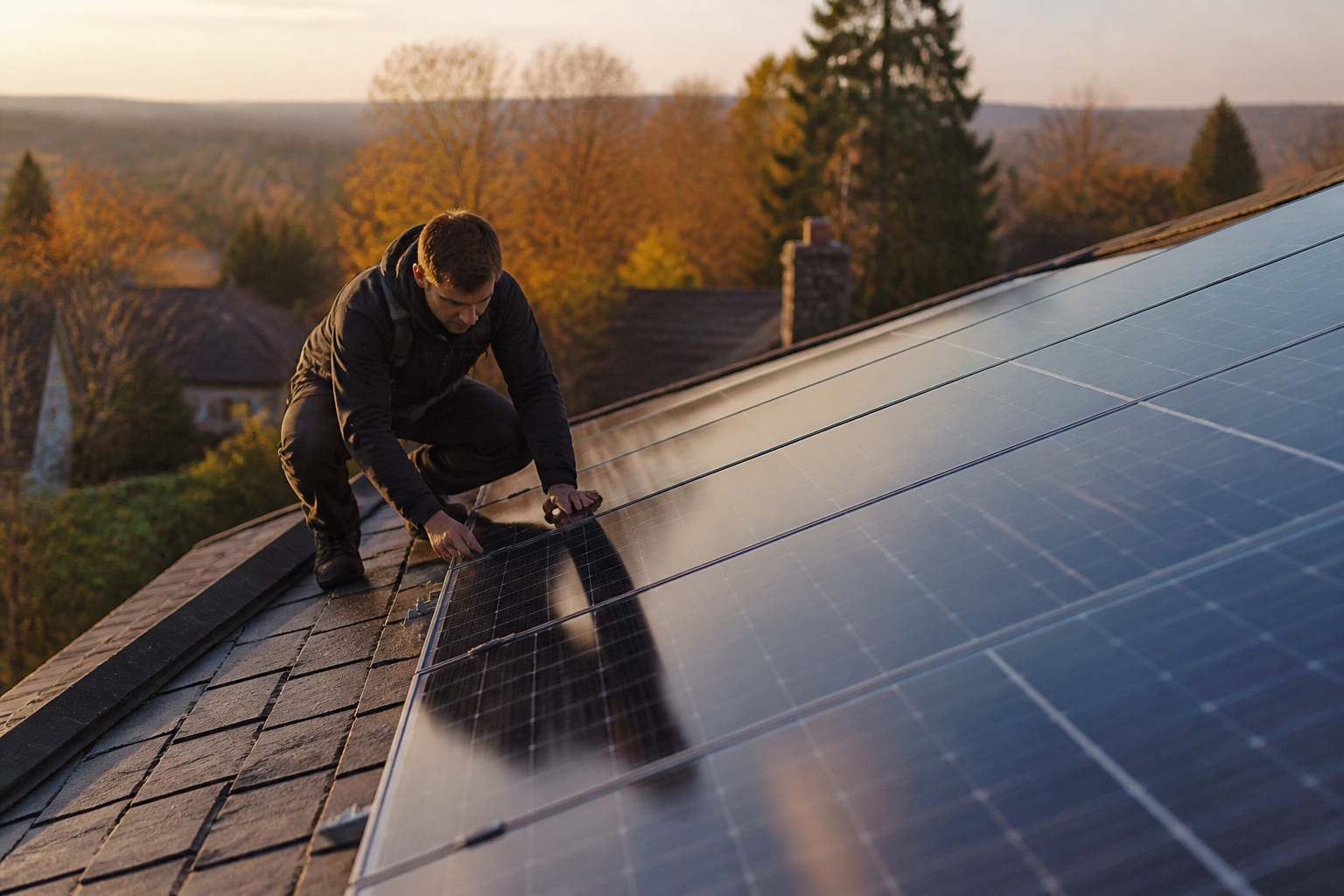
Households often seek ways to buffer themselves against rising energy costs. Installing solar panels via The Solar Scheme is one way to generate electricity on-site, potentially reducing reliance on the national grid during peak price periods. This move toward self-generation is becoming a popular strategy for those looking to secure greater predictability in their monthly expenditure.
Another approach involves improving the thermal performance of the building envelope. By reducing the heat demand of a property, the amount of energy required to reach a comfortable internal temperature decreases. Employees can explore how The Net Zero Home Scheme supports these improvements to reduce the impact of rising unit rates.
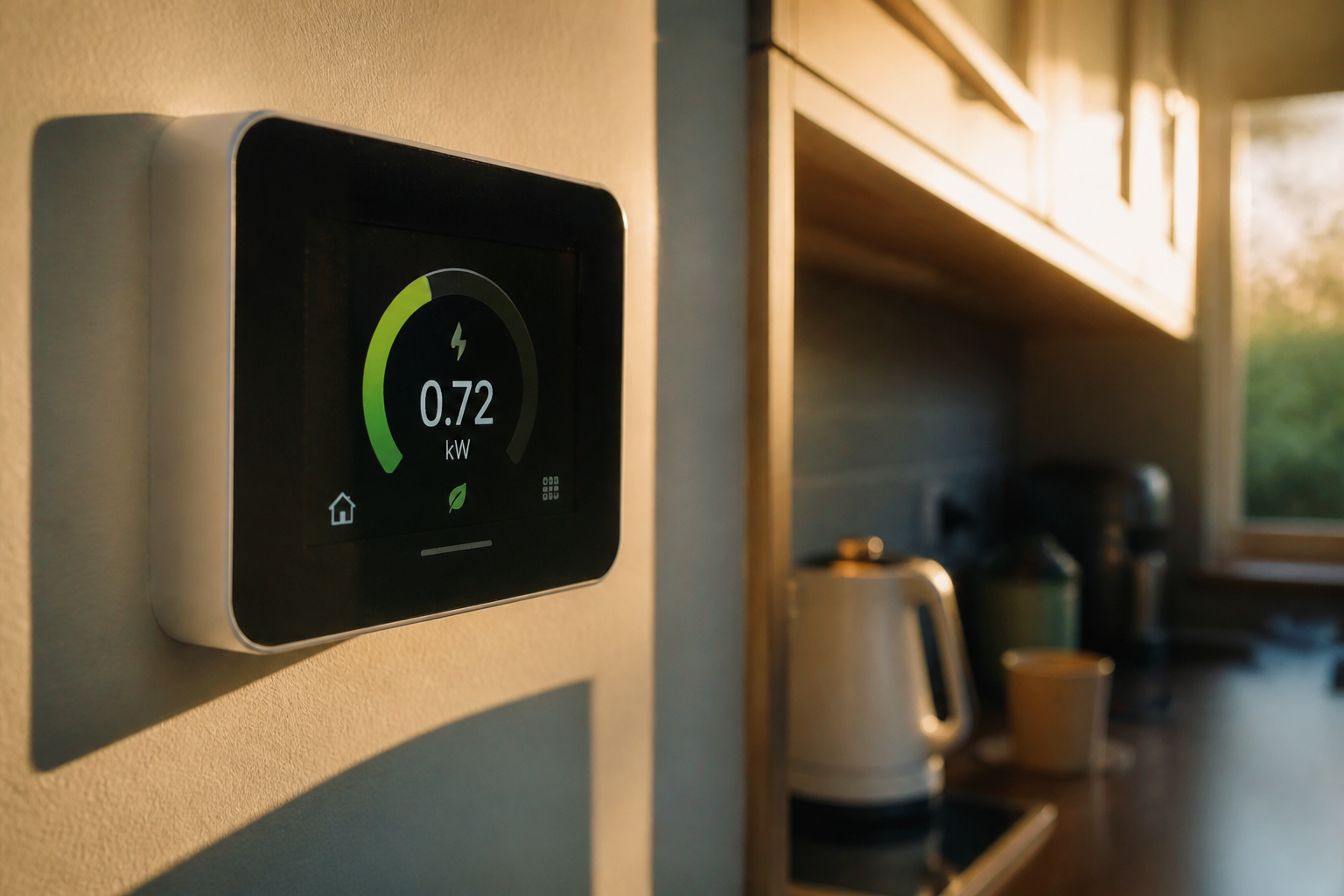
Homeowners are increasingly turning to data-driven insulation and draft-proofing. When coupled with smart metering, these interventions allow households to measure their reduced consumption against the rising price cap. Those who can reduce their base demand for energy are better insulated against the unit price increases forecast for 2027.
| Method | Primary Benefit | Applicability |
|---|---|---|
| Solar generation | Offsets grid usage | Owned properties |
| Heat pump upgrade | Improves heating efficiency | All housing types |
| Energy monitoring | Identifies waste | Any household |
| Building insulation | Reduces total demand | Older properties |
Strategies are illustrative of common methods to reduce energy bills.
Future outlook for energy pricing
While current forecasts paint a challenging picture for the winter months, the long-term trend remains focused on electrification. Policy experts generally agree that moving away from gas reliance is the most effective way to insulate the national economy from future price shocks. This transition is not instantaneous, but the direction of travel is clear.
For those in operations and payroll, keeping track of these broader shifts is essential for understanding the context in which staff make decisions about their benefits. Managing employee financial wellbeing requires an awareness of these external pressures. As the market continues to evolve, the focus will likely remain on providing stable, long-term infrastructure for home energy.
The transition to electrification extends to transportation as well. Employees managing their home energy costs may also consider how The Electric Car Scheme fits into a broader strategy of reducing total household reliance on volatile fossil fuel prices, by switching petrol expenditure for more stable electricity-based charging.
Questions people ask
- How does the Ofgem price cap influence my monthly energy bill?
- The price cap limits the cost of energy per unit and the standing charge for suppliers. It does not cap the total bill, which is determined by your total energy consumption. When the cap rises, your unit rates increase automatically unless you are on a fixed-rate tariff that is currently lower than the cap.
- Why do energy bills fluctuate when global events occur?
- The UK imports significant amounts of gas through global wholesale markets. Geopolitical instability in key energy-producing regions reduces supply and creates uncertainty, which increases wholesale market prices. Because suppliers buy energy on these global markets, those increased costs are eventually passed to consumers through the Ofgem price cap, causing national price increases.
- What is the benefit of switching to electric heating?
- Electric heating systems, such as heat pumps, offer higher efficiency compared to traditional fossil fuel boilers. While the upfront electricity cost is currently higher, government policy aims to rebalance the electricity to gas price ratio. This makes electrification a strategic move to reduce long-term vulnerability to fossil fuel price volatility and improve home sustainability.
- Can I reduce my standing charge by consuming less energy?
- No. The standing charge is a fixed daily fee intended to cover infrastructure maintenance and network costs. It is applied to your account regardless of your usage. While you can reduce your total bill by lowering your unit consumption, the standing charge component remains constant, representing a baseline cost for all grid-connected households.
- How do employer-led schemes support staff during energy price rises?
- Employers can provide access to various green benefit schemes that help staff lower their energy demand and costs. Initiatives like The Solar Scheme or home energy efficiency improvements provide long-term reductions in utility consumption. This helps employees mitigate the financial impact of rising energy prices and contributes to improved household financial stability.
Keep reading

green installer workforce standards
Finding a reliable green technology installer

electricity grid capacity management
How DNOs manage residential grid capacity

domestic heat pump technology
Debunking common myths about domestic heat pump heating

electric vehicle fleet policy
Managing financial risks of electric car fleet transition

electric vehicle market analysis
Analysing UK electric vehicle adoption numbers

electric vehicle adoption guide
Steps to choosing an electric car for personal use

electric vehicle fleet policy
Impact of updated ZEV mandate targets on fleet planning

Employee financial wellbeing
Supporting employee financial resilience

Employee reward strategy design