


electricity grid capacity management
How DNOs manage residential grid capacity
Understand how Distribution Network Operators manage local electricity grid capacity for home energy upgrades and what this means for your employees.
 Alex BlairChief Technology Officer
5 min readUpdated
What matters here
- Local grid capacity is managed by regional Distribution Network Operators.
- Major home energy upgrades often require a G99 or G98 notification.
- Infrastructure upgrades are increasingly automated but require site-specific checks.
In short
Distribution Network Operators, or DNOs, manage the regional infrastructure that delivers electricity to homes. When you install technologies like home chargers or heat pumps, the DNO checks if your local street-level cables can handle the increased load. If the capacity is sufficient, they approve the connection. If not, they may require local network reinforcement to ensure safety and supply stability.
For employees considering home upgrades via The Net Zero Home Scheme, understanding this process is essential. The interaction with the DNO is not a hurdle, but a technical verification step that ensures the electrical safety of the entire street. Managing these expectations early helps prevent project delays.
The role of the DNO
The UK electricity network is divided into regions, each managed by a Distribution Network Operator. These organisations are responsible for the low-voltage cables that run under your street and into your home. They ensure the voltage stays within a safe range, regardless of how much power your neighbours are using at the same time.
When an employee adds a new, high-demand appliance like a 7kW home charger or a large heat pump, they are effectively increasing the potential load on the local transformer and cabling. The DNO is the gatekeeper that determines whether the existing infrastructure is capable of absorbing this extra demand without causing fuses to blow or voltage drops for the surrounding properties.
The DNO performs a critical balancing act. While individual installations are often minor, the cumulative effect of hundreds of properties adding low-carbon technologies simultaneously requires sophisticated asset management. Their mandate is to maintain the standard of supply as defined by the industry regulator, which governs voltage stability and frequency for all domestic consumers.
Managing the connection application
Most standard installations for domestic equipment follow a notification process known as G98. This is for equipment that meets specific type-test standards and is essentially a fit and inform process. The installer notifies the DNO after the installation, confirming that the equipment meets safety standards.
For larger installations or multiple devices, such as a large-scale solar array paired with a battery and high-capacity heating, a G99 application might be necessary. This is an apply to connect process where the DNO must provide permission before the equipment is switched on. This ensures that the cumulative impact of local energy projects does not overload the local transformer.
Common errors in the application process usually involve incomplete site surveys. Installers must provide accurate data on the total peak load of the property. If the paperwork provided by the installer is missing technical specifications of the proposed equipment, the DNO will often request further information, which can add weeks to the project timeline.
| Process | Equipment Type | Timeline | Approval Needed |
|---|---|---|---|
| G98 | Standard charger | Post-install | No |
| G99 | Large Solar/Pump | Pre-install | Yes |
Timelines and requirements are based on standard industry compliance protocols for residential energy upgrades.
Why capacity limits matter
The electricity grid was originally designed for passive supply, where power flowed one way from a large power station to a house. Today, the grid is multidirectional, with solar panels pushing power back out and chargers pulling power in. This puts stress on the ageing local network components.
If a specific street has many homes with high-power electrical equipment, the DNO might identify that the transformer is at its limit. In these cases, they may need to upgrade the local substation or cables. This is why finding a reliable green technology installer is so vital, as they understand the local constraints and can navigate the application process smoothly.
Without these constraints, high-demand appliances could cause localised brownouts or damage to neighbouring appliances. DNOs utilise heat maps to identify which substations are approaching thermal limits. If your property falls within an area marked for reinforcement, the connection might be delayed until the upgrade work is scheduled and completed.
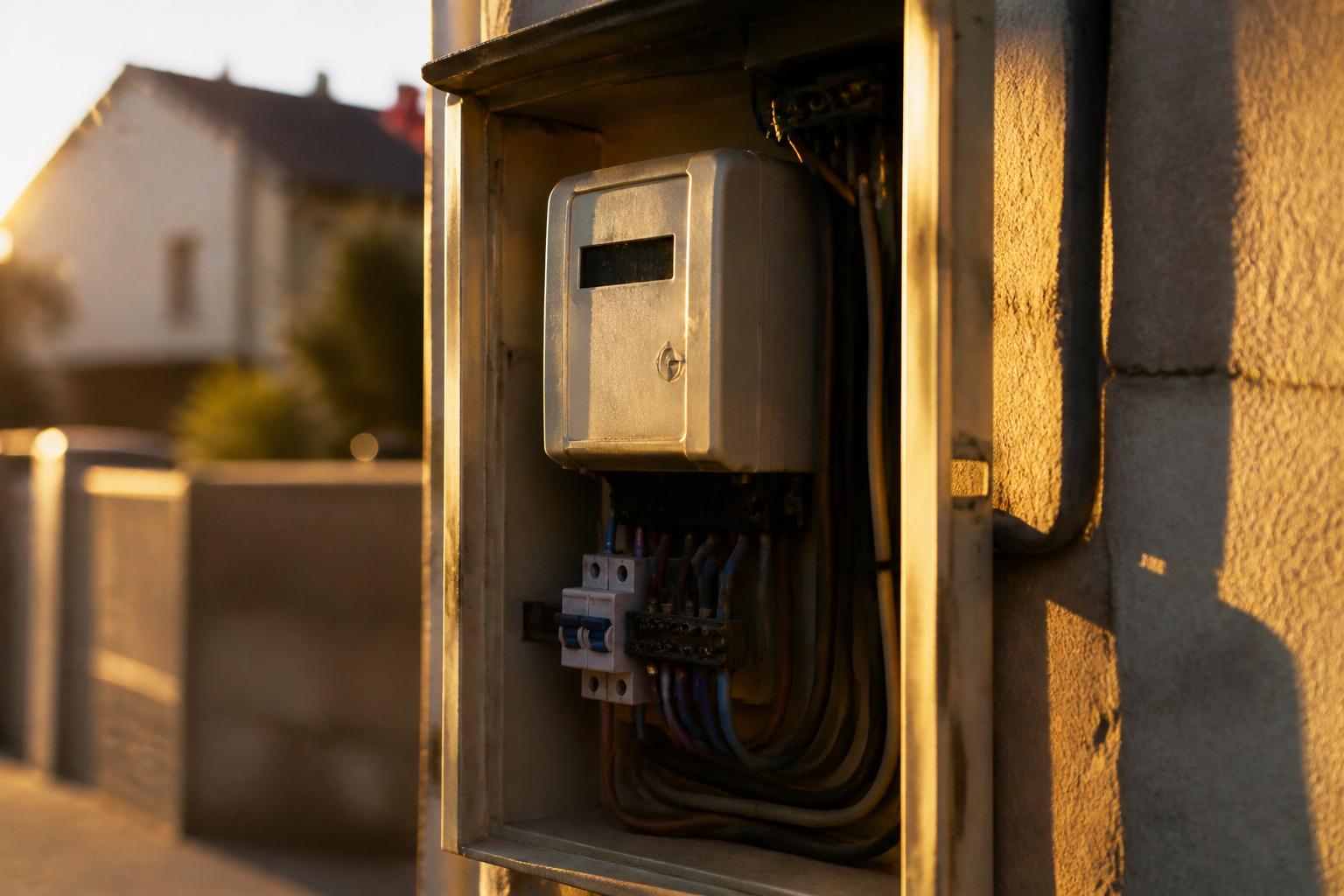
The electricity grid was originally designed for passive supply, where power flowed one way from a large power station to a house.
The impact of smart charging and heat pumps
To manage capacity without digging up every street, the industry is increasingly using smart technology. A smart charger can throttle the charging speed if the local grid reaches a peak usage point, such as during the early evening when many people are cooking and running appliances.
This load management reduces the need for physical infrastructure upgrades, which saves time and money for the homeowner. When planning to use The Charge Scheme, it is useful to know that modern hardware is built with these grid-balancing capabilities as a standard feature, rather than an afterthought.
Similarly, for The Heat Pump Scheme, modern systems include advanced controllers that prevent simultaneous high-draw heating cycles. By integrating these smart controls, the DNO can permit connections that would otherwise exceed the physical capacity of the house supply, effectively deferring the need for expensive main-fuse upgrades.
Common bottlenecks in the process
The most common delay in home energy upgrades occurs when there is a mismatch between the property's current supply and the requirements of the new technology. A home might have a 60-amp main fuse, while the new heat pump and car charger combined might require more capacity than this can safely provide.
When this happens, the DNO needs to perform a fuse upgrade. While this is usually straightforward, it requires the DNO to visit the site, which can add time to a project. Understanding these limits early allows employees to prepare better, similar to the planning required when managing financial risks of electric car fleet transition.
Edge cases involving older heritage properties or rural connections often face unique challenges. In these instances, the service cable running from the street to the house might be too thin to support modern amperage. These cases require a coordinated site survey between the DNO and the installer to determine who carries the cost and the logistical burden of the cable upgrade.
Future-proofing your home
As more households move towards electrification, the DNOs are using sophisticated data modelling to predict where future capacity issues might arise. They are transitioning from reactive maintenance to proactive planning. This means that, in many areas, the network is already being reinforced to handle the expected increase in demand.
For those considering The Solar Scheme or other home energy investments, the current grid situation is manageable with the right professional guidance. The key is ensuring that all documentation is accurate and submitted early to allow the DNO time to review the cumulative load profile of the property.
Long-term infrastructure planning involves digitising the low-voltage network. This allows DNOs to monitor voltage fluctuations in real time. For employees, this shift means that the grid is becoming more resilient, facilitating a smoother transition as they add more technology over several years.
Summary of responsibilities
The homeowner is responsible for ensuring their electrical system is safe and compliant. The installer is responsible for the technical connection and the notification to the DNO. The DNO is responsible for the overall integrity of the local network.
By clearly understanding these roles, HR teams can reassure employees that while the grid is undergoing change, the processes for connecting new technologies are well-established and focused on ensuring the safety and reliability of the supply for everyone in the community. Through our schemes, we provide the necessary support to ensure all technical and regulatory boxes are checked before installation commences.
Questions people ask
- Do I need to contact my DNO before buying an electric car charger?
- You do not need to contact them personally. Your certified installer will manage this process. They determine if your connection follows the G98 notification route or requires a G99 application. Always ensure your chosen installer is experienced with local DNO requirements to avoid unnecessary delays during the installation phase.
- What happens if my property does not have enough grid capacity?
- If your current service capacity is insufficient, the DNO may need to upgrade your main fuse or service cable. This is a common requirement for older homes. The installer will identify this during the pre-installation survey and coordinate with the DNO to schedule the necessary upgrades to ensure your home can safely support the additional load.
- Can I install a heat pump and a solar system at the same time?
- Yes, but your installer must account for the cumulative load of both systems. This may trigger a G99 application for permission to connect. The DNO will review the combined impact on the local transformer. Proper documentation and load profiling by a professional installer are crucial for obtaining approval in these complex, multi-technology projects.
- How do smart chargers prevent grid overload?
- Smart chargers include load-balancing technology that monitors your home's total electricity consumption. If your total demand approaches the capacity limit of your service, the charger automatically reduces its power draw. This technology ensures your car charges safely without blowing your main fuse or requiring an expensive upgrade to the external electricity infrastructure.
- Are there costs associated with DNO grid upgrades?
- Standard domestic fuse upgrades are often provided by the DNO at no charge to the homeowner. However, if the upgrade requires significant excavation or heavy duty cabling work specifically for your property, you might be expected to cover certain costs. Your installer will advise you on the specifics based on your local DNO policy.
Keep reading

green installer workforce standards
Finding a reliable green technology installer

electric vehicle market analysis
Analysing UK electric vehicle adoption numbers

electric vehicle adoption guide
Steps to choosing an electric car for personal use

domestic heat pump technology
Debunking common myths about domestic heat pump heating

electric vehicle fleet policy
Impact of updated ZEV mandate targets on fleet planning

electric vehicle fleet policy
Managing financial risks of electric car fleet transition

Employee financial wellbeing
Supporting employee financial resilience

Employee reward strategy design
Implementing salary sacrifice schemes

UK climate policy research