

electric vehicle charging logistics
Myths and facts about electric vehicle charging
We examine the practical realities of home, work and public charging to help you navigate the transition to an electric car.
 Matthew WallerVP B2B Sales and General Manager of The Charge Scheme
5 min readUpdated
What matters here
- Most EV charging happens at home overnight for lowest costs.
- Public rapid charging is faster than many assume for long trips.
- Workplace charging depends on available infrastructure and site capacity.
In short
Electric vehicle charging is generally reliable and cost-effective. Most drivers perform the bulk of their charging at home using a dedicated wallbox. Public networks provide fast charging for longer journeys, while The Charge Scheme can help employers install charging infrastructure at work. Charging needs vary based on your daily mileage and access to off-street parking.
The transition to electric motoring requires a basic understanding of your daily energy consumption patterns. Reliability is now the industry standard, supported by widespread installation of hardware designed for residential and commercial durability. Choosing the right method depends on your home layout, commuting distance, and access to supportive infrastructure.
The myth of the flat battery
A common concern for new electric vehicle drivers is the fear of running out of power while on a journey. This scenario is statistically rare for most UK commuters. Modern electric vehicles typically display clear, real-time data regarding remaining range and the proximity of available charging points. The network of rapid chargers is growing across motorway service areas and main trunk roads, which removes the pressure of the traditional fuel stop.
Most drivers find that their daily mileage is far lower than their car's total range. With a full charge at the start of the day, few drivers need to stop for a top-up during their standard commute or local travel. Planning becomes a habit rather than an active burden, much like monitoring fuel in a petrol or diesel car.
Advanced battery management systems now provide alerts when the state of charge drops below specific thresholds, effectively acting as an early warning system. Drivers often find that the vehicle range is more predictable than the volatile nature of fuel consumption in combustion engine cars, especially when stuck in urban traffic where electric motors remain highly efficient.
Home charging realities
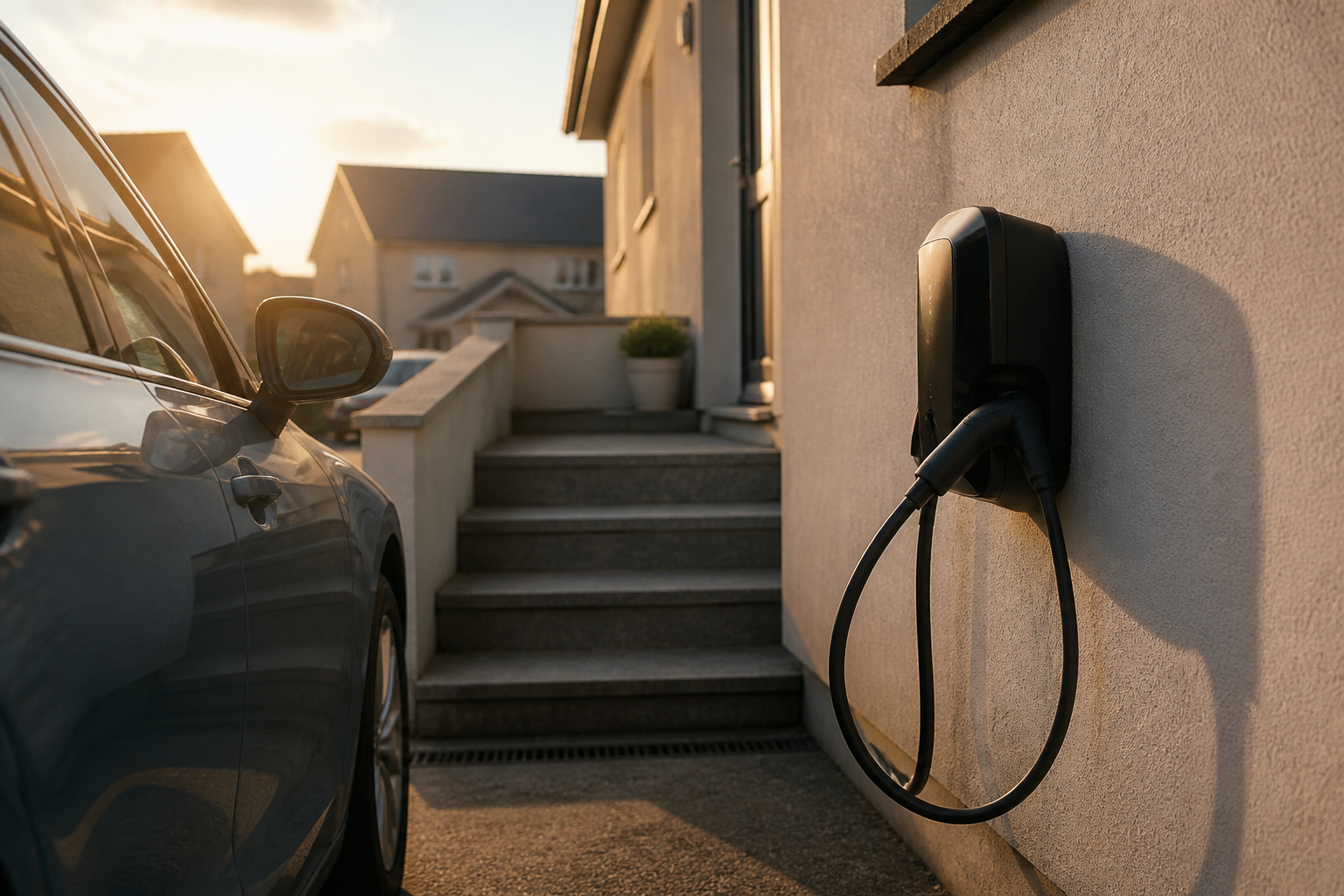
Many believe that owning an electric vehicle is impossible without a private driveway. While home charging via a dedicated wallbox is the most convenient and cost-effective method, it is not the only way to own an electric car. If you have off-street parking, a wallbox allows you to charge overnight, taking advantage of lower electricity tariffs often available during off-peak hours.
The installation process involves a survey of your home electrical supply. Most modern UK homes can accommodate a standard 7kW charger without extensive modifications. If your home has a shared electrical supply or requires a fuse upgrade, your installer will guide you through the process of working with your local distribution network operator. This ensures safety and compliance with building regulations.
For those without a driveway, the landscape is changing. Local authorities are increasingly installing on-street charging solutions, and many drivers use their workplace to charge. It is worth evaluating your specific parking situation and the availability of nearby public chargers before making your final decision.
Home charging safety is paramount, which is why professionals typically install dedicated residual current device protection. Attempting to charge via a standard three-pin plug is considered a temporary measure only, as it lacks the thermal management and speed control found in purpose-built wallboxes.
| Charger Type | Typical Power | Best Use Case |
|---|---|---|
| Slow / Domestic | 2.3kW | Occasional top-up |
| Fast / Wallbox | 7kW | Overnight home charging |
| Rapid / DC | 50kW+ | Public motorway travel |
Figures are indicative of typical UK installation standards for residential and commercial charging.
Workplace charging access
Workplace charging is a growing benefit for employees. Employers are increasingly assessing their site capacity to provide charge points, which helps staff manage their vehicle range during the working day. These units are often managed via dedicated software that handles energy billing and usage reporting.
From an employee perspective, the key is understanding your employer's policy. Is charging offered as a standard facility, or is it subject to usage limits? Some companies provide this as part of a wider package through providers like The Electric Car Scheme, which helps align the vehicle provision with the necessary charging support. Always check with your HR or facilities team to see what local arrangements are in place.
Managing workplace demand involves load balancing, which prevents the office electrical system from overloading when multiple vehicles connect simultaneously. Facilities managers should review energy usage alongside other site demands to ensure that the infrastructure remains scalable as more staff transition to electric vehicles.
The public network landscape
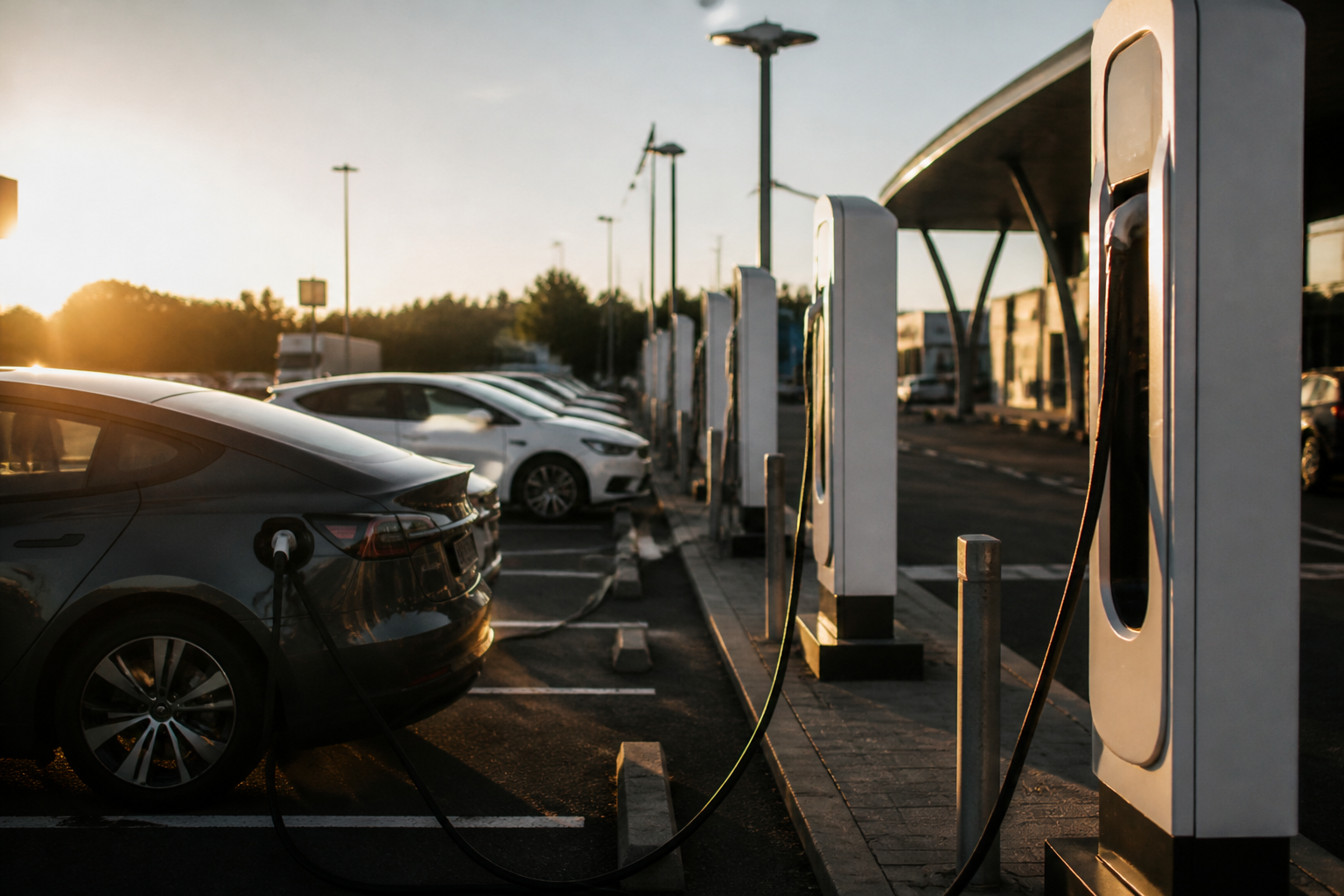
The public charging network is often criticised for complexity, but the situation is improving rapidly. There are various networks, but the trend is towards universal access. Most new rapid chargers now accept contactless bank cards, removing the need to manage multiple mobile apps or membership accounts. This makes the experience much more similar to traditional refuelling.
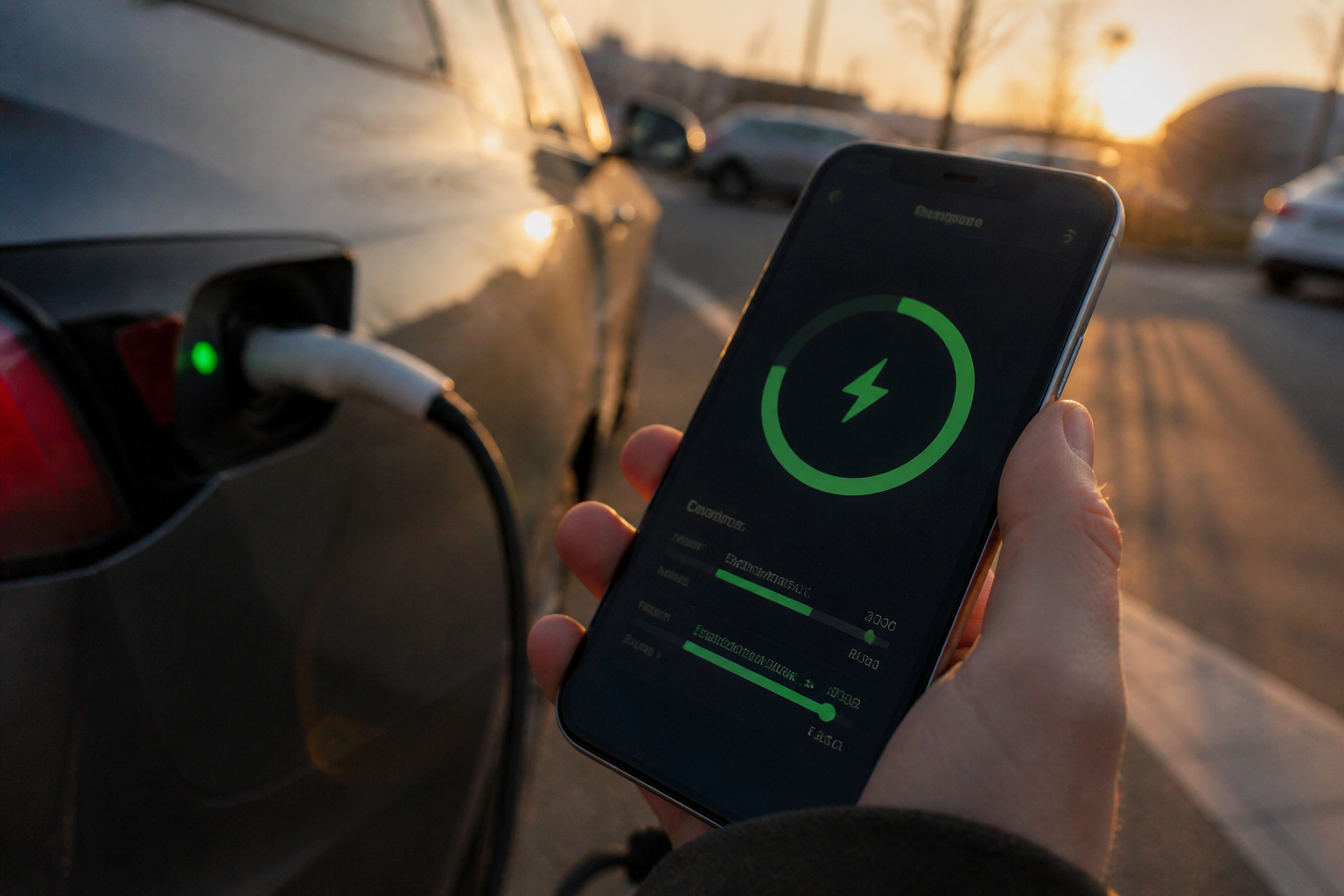
When planning a long journey, use route-planning tools that integrate with real-time charger status data. These tools account for your specific vehicle model and suggest stops based on current charging speed and availability. By treating a charging stop as a break for a coffee or a short rest, the impact on your journey time becomes minimal.
When encountering a charger, always check for status lights that indicate connectivity. If a unit shows as busy or faulted on a network application, moving to the next nearest location is usually faster than attempting a reset. Familiarity with the main charging hub locations along your regular routes will significantly reduce travel anxiety.
The trend is towards universal access, making the experience much more similar to traditional refuelling.
Cost management and tariffs
Electricity costs for charging are significantly lower than the cost of petrol or diesel on a per-mile basis. However, costs vary depending on where you charge. Home charging at night on a smart energy tariff is the cheapest option. Public charging costs more due to the capital investment required for high-speed infrastructure and the higher costs associated with energy delivery at those sites.
Managing your costs requires an understanding of your energy contract. If you are a Net Zero Benefits customer, you might find that exploring home energy upgrades like solar panels or smart battery storage can further optimise your charging costs. Planning your charging to avoid peak-demand times helps you secure the most favourable rates available from your energy provider.
Those looking to maximise efficiency should investigate dual-rate energy tariffs, which offer cheaper electricity during late-night windows. By setting your vehicle to charge only during these hours, you can significantly lower your running costs, mirroring the benefits seen when Evaluating domestic solar panel return on investment within a broader home energy strategy.
| Charging Location | Cost Factor | Speed |
|---|---|---|
| Home (Off-peak) | Low | Slow |
| Workplace | Variable | Fast |
| Public Rapid | High | Very Fast |
Cost factors are relative based on standard UK electricity tariffs and commercial charging prices.
Infrastructure and longevity
The UK grid is undergoing a significant transformation to support the influx of electric vehicles. This includes reinforcing local distribution networks to handle increased demand from home and workplace chargers. This is a phased, long-term project coordinated between energy suppliers and the government to ensure reliability remains high.
As a consumer, you benefit from the standardisation of hardware. Most electric vehicles use the same type of connector for standard charging. For rapid charging, manufacturers are moving towards consistent plug types, which further reduces the friction for new owners. The direction of travel is towards a more integrated and user-friendly charging ecosystem that is built for long-term growth.
If you are concerned about your home's capability, speak with a qualified electrician or contact us to understand the requirements for a standard charger installation. Understanding these factors early in your decision-making process will provide clarity and peace of mind as you transition to a cleaner vehicle.
Questions people ask
- Can I charge an electric vehicle if I live in a flat?
- Yes, though it requires coordination. You should check if your building management has installed communal chargers or allows for private wallbox installation in allocated bays. If not, look for local public rapid chargers or inquire at your workplace. Apps that map public infrastructure are essential for planning your routine without private parking.
- Is it cheaper to charge at home or at public rapid stations?
- Home charging is typically significantly cheaper, especially when utilising overnight off-peak energy tariffs. Public rapid chargers command a premium because they provide high-speed energy delivery and require substantial infrastructure investment. For the lowest costs, aim to perform the vast majority of your charging at home or at the office during working hours.
- What happens if the charger I reach is already in use?
- Most modern route-planning apps provide real-time occupancy data, allowing you to see if a station is available before you arrive. If a charger is occupied, most locations have multiple bays. If all are in use, the apps will suggest alternative charging points nearby to ensure you can continue your journey without significant delay.
- Do I need special equipment to charge my car at home?
- Yes, a dedicated wallbox is recommended for safety and efficiency. These units communicate with your car to regulate power flow and monitor for faults. While you can use a domestic three-pin socket in an emergency, it is not designed for daily use and is considerably slower than a professionally installed 7kW dedicated charging unit.
Keep reading

electric vehicle market analysis
Analysing UK electric vehicle adoption numbers

electric vehicle adoption guide
Steps to choosing an electric car for personal use

electric vehicle fleet policy
Impact of updated ZEV mandate targets on fleet planning

electricity grid capacity management
How DNOs manage residential grid capacity

electric vehicle fleet policy
Managing financial risks of electric car fleet transition

Employee financial wellbeing
Supporting employee financial resilience

Employee reward strategy design
Implementing salary sacrifice schemes

domestic heat pump technology
Debunking common myths about domestic heat pump heating

green installer workforce standards