


Home heating technology update
Heat pump funding and installation requirements
Practical guidance on the Boiler Upgrade Scheme, including current grant amounts, eligibility criteria and the importance of professional installation.
 Ryan AmosEV Sales Director
6 min readUpdated
What matters here
- The Boiler Upgrade Scheme offers government grants for low carbon heating upgrades.
- Grants are restricted to homes with fossil fuel systems and specific eligibility.
- Installations must be completed by an MCS-certified professional to qualify.
In short
The Boiler Upgrade Scheme provides a government grant to help eligible homeowners and small business owners in England and Wales replace fossil fuel heating systems with low carbon alternatives like heat pumps. Applicants must use an MCS-certified installer, and the grant is deducted from the final installation cost by the contractor once the project is completed.
Participation in this initiative is a significant step in reducing domestic carbon footprints. While the grant mechanism simplifies the process for the consumer, it is essential to ensure all eligibility criteria are met prior to commencement. Prospective applicants should review the technical prerequisites for their specific property type to avoid delays in the application and installation cycle.
Understanding the boiler upgrade scheme
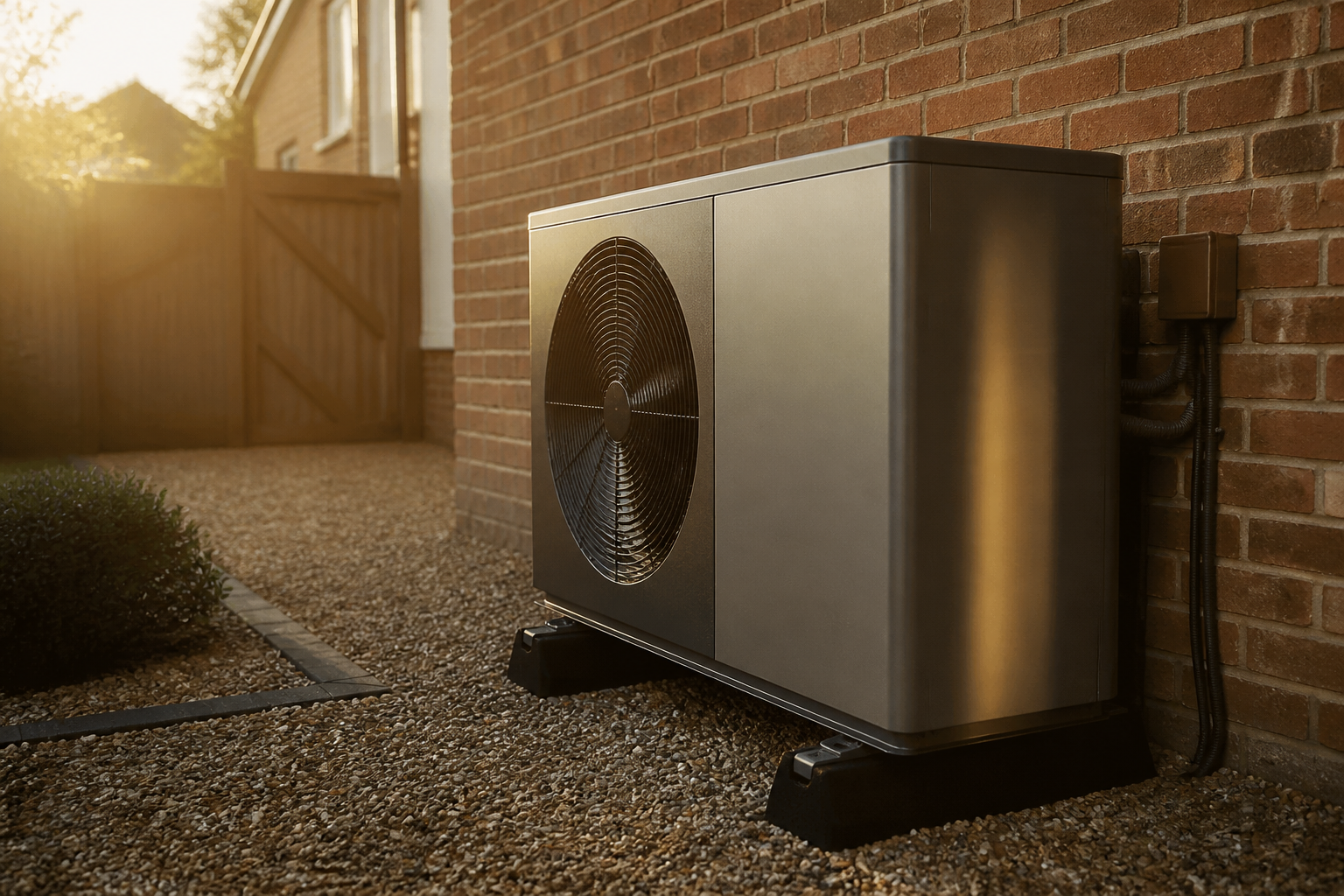
The Boiler Upgrade Scheme is a government-funded initiative designed to help households and small business owners in England and Wales transition to cleaner heating. It provides financial support to offset the cost of installing low carbon systems, specifically air source heat pumps, ground source heat pumps, and biomass boilers. The primary goal is to shift energy demand away from traditional gas and oil boilers which currently account for a significant portion of domestic emissions.
As of October 2026, the scheme continues to operate as a central mechanism for supporting these upgrades. Since its inception in 2022, thousands of households have utilised the grant to support their transition. Interest remains steady, with thousands of applications processed monthly. The grant is not a cash payment to the homeowner but a reduction in the total cost of installation, which the contractor applies for on the customer's behalf.
Employers interested in our schemes should consider how these technological transitions integrate into broader residential energy upgrades. Many homeowners find that combining a heat pump installation with other energy efficiency measures provides a better long-term return on investment. The scheme specifically covers systems that replace existing fossil fuel-based heating, meaning that new builds or properties without a prior heating system are generally excluded from this specific funding mechanism.
Eligibility and property requirements
Eligibility is defined by both the property and the existing heating system. Owners of residential properties and small non-domestic buildings are generally eligible provided the property is situated in England or Wales. A key requirement is that the building must currently rely on a fossil fuel heating system, such as a gas boiler, oil boiler, or solid fuel system. The scheme is aimed at replacing these carbon-intensive methods.
Properties must also demonstrate adequate energy efficiency to benefit from a heat pump. While there are no minimum EPC rating requirements for the grant itself, the installer is responsible for assessing the property to ensure the system is appropriately sized. If a home lacks adequate insulation, the heat pump may operate inefficiently, increasing running costs for the occupant. This assessment is a standard part of the pre-installation process.
Technical constraints often involve the existing heat distribution system. Most air source heat pumps work most efficiently with low-temperature water, which might necessitate replacing standard radiators with larger models or underfloor heating. During the site survey, the installer will calculate the peak heat load of the building. If the insulation levels are too low, the installer may advise on fabric improvements before the unit is specified. Those exploring The Net Zero Home Scheme often find that a whole-house approach yields the best results regarding both comfort and long-term running costs.
| Category | Criteria |
|---|---|
| Location | England and Wales |
| Eligible property | Homes and small businesses |
| System requirement | Replacing fossil fuel boilers |
| Installer status | MCS-certified professional |
Eligibility criteria based on Energy Saving Trust guidance as of October 2026.
The role of the MCS certified installer
The integrity of the scheme relies on the use of MCS-certified installers. Microgeneration Certification Scheme (MCS) accreditation provides assurance that the heating system will be installed to rigorous quality and safety standards. The responsibility for grant applications lies entirely with this certified contractor rather than the homeowner, which serves as a safeguard against improper installation.
When choosing an installer, you must verify their certification status. The installer will survey your property, determine the heat load, and ensure that the equipment specified meets the requirements of the grant scheme. They will also manage the paperwork, including the application to the relevant authority and the subsequent reduction of the grant amount from your final invoice. It is standard practice to obtain multiple quotes from different certified companies to compare installation approaches and total project costs.
A common pitfall is the failure to confirm whether an installer is MCS-certified for the specific technology being installed. Some contractors may hold certification for solar thermal systems but not for heat pumps. Always request the installer's MCS reference number and cross-reference it via the official MCS database. If the installer is not correctly certified at the time of commissioning, the project will not be eligible for the grant, leaving the homeowner liable for the full installation cost.
Installation and project timelines
The transition to a heat pump is a significant project that requires careful planning. Once you have selected a certified installer, they will conduct a site survey to calculate the heat demand of your building. This phase is critical because an oversized or undersized unit can lead to increased energy bills. After the design is approved, the physical installation typically involves removing the existing boiler and installing the indoor and outdoor heat pump components.
Project timelines can vary depending on the complexity of your heating system and any necessary pipework upgrades. While some installations can be completed in a few days, integrating a heat pump into an existing wet radiator system may require additional time for balancing or radiator replacement. Proper commissioning of the system is the final step, ensuring that the control settings are optimised for your specific living environment.
Common delays occur during the design phase if the property requires significant plumbing modifications. It is helpful to consider the potential for grid connection stages for home energy projects if your installation involves significant electrical capacity increases, such as when combining heat pumps with larger EV charging systems. Planning for these technical intersections early avoids mid-project delays and ensures all systems operate within their rated capacities.
The installer is responsible for assessing the property to ensure the system is appropriately sized.

| Phase | Responsibility |
|---|---|
| Survey | MCS Installer |
| Grant Application | MCS Installer |
| System Removal | MCS Installer |
| New Installation | MCS Installer |
| Commissioning | MCS Installer |
Process milestones based on typical UK contractor standards for heat pump retrofits.
Financial considerations for homeowners
Beyond the upfront grant, homeowners should consider the long-term operational costs of heat pumps compared to gas or oil boilers. Heat pumps are inherently more efficient, as they move heat rather than generate it through combustion. However, your individual savings will depend on the electricity tariff you select and your home's thermal retention. If you have also invested in solar energy, the potential to offset running costs is further increased.
Managing household budget priorities requires a holistic view of home energy. This includes reviewing your current utility provider and potentially shifting to smart tariffs that align with lower electricity prices. For employees considering these upgrades, linking home heating decisions with broader financial wellbeing discussions can provide a clearer picture of the total investment required versus the expected ongoing efficiency gains.
While the upfront grant reduces the total capital expenditure, the operational cost savings are realised over several years. Using a high-efficiency heat pump alongside a well-insulated home often results in lower annual energy costs compared to traditional gas systems, especially when paired with smart monitoring tools. We encourage users to visit about Net Zero Benefits for more context on how individual energy choices impact broader sustainability goals.
Questions people ask
- Can I install a heat pump myself and still claim the grant?
- No. To be eligible for the Boiler Upgrade Scheme, you must employ an MCS-certified installer. The installer is responsible for both the professional installation according to industry safety and quality standards and for managing the grant application process. DIY installations or work carried out by non-certified individuals will not qualify for government funding.
- What happens if my home's insulation is below standard?
- There is no minimum EPC requirement for the grant, but a poorly insulated home will negatively impact heat pump efficiency. Your MCS-certified installer will perform a heat load calculation. If the insulation is insufficient, they may recommend upgrades to ensure the system is cost-effective to operate, as a larger system may be needed otherwise.
- Does the grant cover the full cost of the installation?
- The Boiler Upgrade Scheme provides a fixed grant amount rather than covering the entire project cost. The grant is deducted from the total quote provided by your installer. The remaining balance, which covers the materials, labour, and any necessary system upgrades like new radiators or pipework, remains the responsibility of the homeowner.
- How do heat pumps compare to gas boilers regarding long-term costs?
- Heat pumps are generally more efficient than combustion-based boilers because they move existing heat rather than burning fuel to create it. Long-term costs depend heavily on your home’s thermal efficiency, local electricity tariffs, and how you utilise smart controls. When integrated as part of The Heat Pump Scheme, these systems can provide stable and efficient heating.
- Are there specific radiator requirements for a heat pump system?
- Heat pumps often operate at lower output temperatures than traditional boilers. Consequently, your installer might suggest replacing existing radiators with larger ones or installing underfloor heating to distribute the same amount of heat effectively. This is a critical part of the design phase to ensure your home remains comfortable throughout the colder winter months.
Keep reading

electricity grid capacity management
How DNOs manage residential grid capacity

domestic heat pump technology
Debunking common myths about domestic heat pump heating

green installer workforce standards
Finding a reliable green technology installer

electric vehicle fleet policy
Managing financial risks of electric car fleet transition

electric vehicle market analysis
Analysing UK electric vehicle adoption numbers

electric vehicle adoption guide
Steps to choosing an electric car for personal use

electric vehicle fleet policy
Impact of updated ZEV mandate targets on fleet planning

Employee financial wellbeing
Supporting employee financial resilience

Employee reward strategy design