


electricity grid infrastructure
Grid connection stages for home energy projects
Understand the technical phases of grid connection for domestic and commercial energy installations to better plan your infrastructure rollout.
 Ryan AmosEV Sales Director
5 min readUpdated
What matters here
- Grid connections rely on Distribution Network Operator capacity assessment.
- Small-scale domestic solar installations typically follow a G98 notification process.
- Larger commercial projects often require detailed G99 grid impact studies.
In short
Grid connection follows a structured process where an installer assesses local substation capacity before notifying or applying to the Distribution Network Operator. Small domestic systems often qualify for automatic G98 notification, while larger setups require G99 approval. This ensures the local grid can safely handle increased export or load without destabilising the regional power supply. Achieving a successful connection requires precise technical documentation, as failures to provide accurate system specifications during the application window can trigger extended delays or requests for additional network reinforcement.
For homeowners and site managers, understanding this hierarchy is essential to the project timeline. A G98 installation is categorised by its low impact on the wider network, whereas a G99 project implies a level of complexity that demands a full impact assessment. Whether integrating through The Solar Scheme or upgrading facility infrastructure, the process requires proactive engagement with grid authorities to ensure compliance with national safety standards.
Understanding the role of distribution network operators
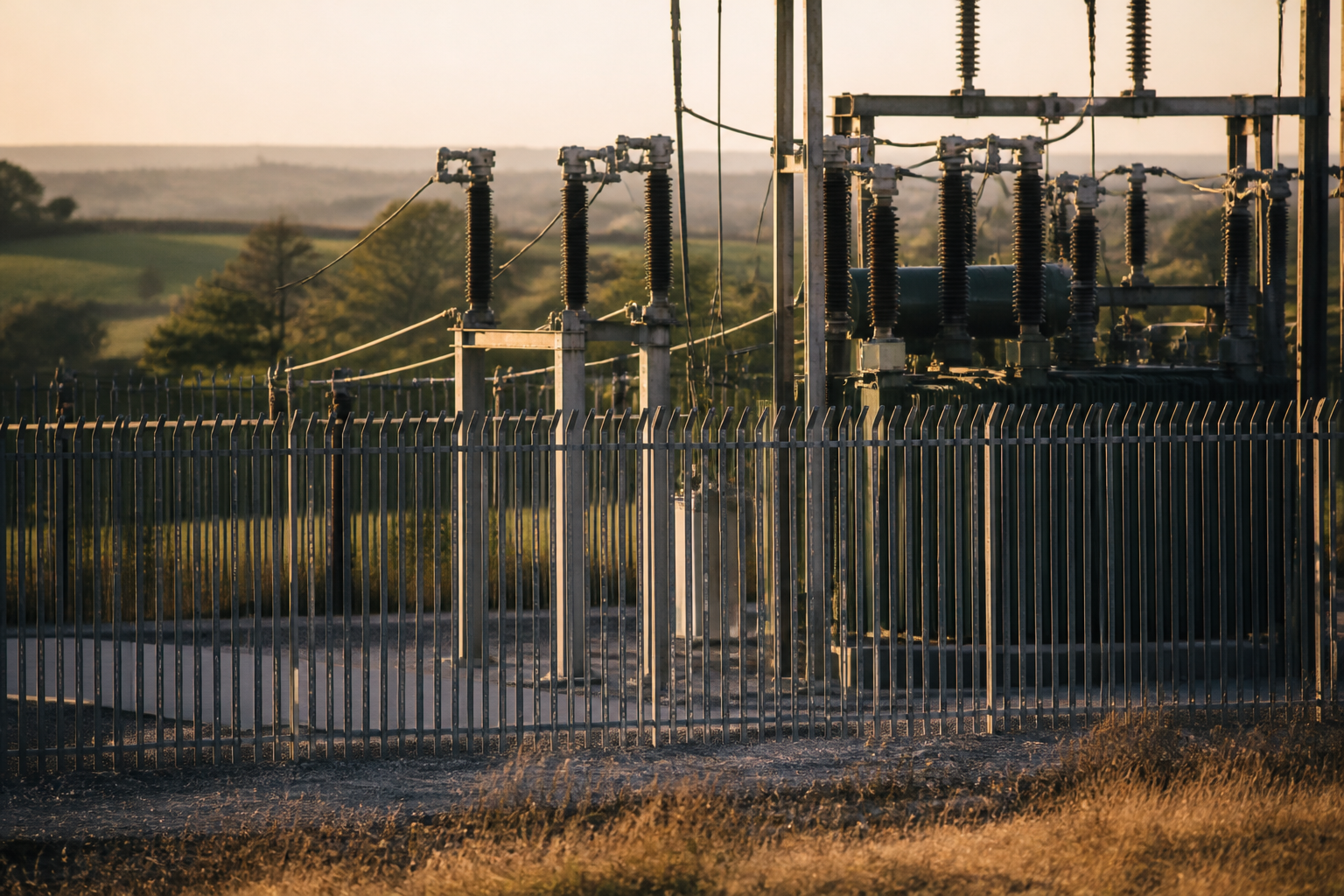
The UK electricity grid is managed by Distribution Network Operators who oversee the physical infrastructure that delivers power to homes and businesses. These operators maintain the local substations and cables that form the final leg of the transmission network. When a new energy installation is proposed, the operator must determine if the local infrastructure can handle the change in load or export.
Capacity is not a static number. It fluctuates based on the time of day, the season, and the density of existing installations on that specific feeder line. For a payroll manager or operations lead, this means that even adjacent sites may have different grid connection potential. The DNO process is the primary gatekeeper for project feasibility. DNOs conduct steady-state voltage and thermal assessments to ensure that new equipment, such as heat pumps accessed via The Heat Pump Scheme, does not violate statutory voltage limits. If a proposed installation exceeds the thermal rating of existing cables or transformers, the operator will issue a connection offer that may require network reinforcement works, the costs of which are typically borne by the applicant.
The G98 and G99 notification framework
The technical standards governing these connections are known as G98 and G99. G98 is the simplified notification process for small-scale embedded generation, such as domestic solar panels or small battery storage systems. It allows for a straightforward connection provided the equipment meets specific safety and performance standards, making it the preferred route for most residential installations through The Solar Scheme.
For larger systems, the G99 process applies. This is more rigorous and requires detailed documentation regarding the inverter types, total system capacity, and planned export limits. An installer must submit these details to the DNO to prove that the system will not interfere with grid frequency or voltage stability. This is a common requirement for office-based The Charge Scheme projects that involve high-capacity fast chargers. The application process for G99 is tiered, depending on the aggregate capacity of the generation or storage equipment. Installations below 11.04 kW per phase follow a simpler path, but once a system crosses this threshold, it enters a more comprehensive review process where the DNO scrutinises potential harmonics and power quality impacts that could influence nearby consumer electronics.
| Requirement | G98 process | G99 process |
|---|---|---|
| System size | Below 16A per phase | Above 16A per phase |
| Administrative load | Notification only | Detailed application |
| Timeline expectation | Very fast | Variable |
| Engineering study | Not required | Often required |
Figures based on standard DNO compliance requirements for UK energy distribution.
Technical assessments and load monitoring
Before an application is submitted, a load study is often necessary to identify potential bottlenecks. The DNO assesses the capacity of the local substation transformer. If the transformer is near its limit, they may require an upgrade or mandate that the system includes dynamic load management. This hardware limits the export or import of energy automatically based on real-time grid conditions.
Operations managers should ensure that their installers have access to site-specific electrical drawings. Without an accurate understanding of the existing connection size, projects often face delays during the DNO assessment. Early engagement with our schemes can help clarify these technical requirements early in the scoping phase to avoid mid-project costs. For instance, an installation involving heavy-duty charging infrastructure often requires a review of the building main fuse capacity. If the current supply is restricted to 60 amps, adding a 32-amp car charger may necessitate a grid-side upgrade to a 100-amp service, which is a process independent of the DNO connection application but essential for safety.
Managing expectations for connection timelines
Timelines for grid connections vary significantly based on whether the local network requires reinforcement. Simple notification processes can take just a few weeks, while complex applications involving substation upgrades can span several months. This is critical for budget planning and evaluating the electric vehicle transition for UK businesses.
It is standard practice for DNOs to offer a connection offer that remains valid for a set period. If the offer is not accepted, the reserved capacity may be released to other developers. This creates a risk of needing to reapply if site plans change mid-development. Staying informed through the insight portal helps managers anticipate these periods of uncertainty. In scenarios where multiple stakeholders are involved, such as multi-tenanted commercial buildings, the timeline can be extended by the need for site-wide electrical surveys to determine if existing grid capacity can be shared among units without requiring a new, separate connection point.
If the offer is not accepted, the reserved capacity may be released to other developers, creating a risk of needing to reapply.
Regional variations in grid availability
Infrastructure density dictates connection ease. Sites in industrial zones or newly developed areas may have more robust connections than those in older urban centres or remote rural regions. Some areas have reached total capacity, where new connections are blocked until the DNO completes local grid upgrades. This regional disparity is a core consideration for national fleet or property portfolios.
The shift towards more decentralised, smart-grid technology is designed to alleviate these regional bottlenecks. Technologies that allow for energy storage, such as batteries installed through The Net Zero Home Scheme, provide a buffer that reduces the immediate strain on the grid. By using local storage, businesses can shift their energy demand to off-peak hours when grid capacity is typically higher. This approach is increasingly supported by smart-inverter technology, which allows for remote adjustment of export limits, preventing the need for physical cable upgrades in grid-constrained postcodes.

Preparing for future capacity needs
Future-proofing a site requires designing for higher capacity than is currently needed. This might involve installing larger cables during the initial build to avoid costly groundworks later. While this increases the upfront capital expenditure, it significantly lowers the barrier to later site expansions or the addition of more energy-intensive technologies.
Data collection is central to this strategy. Recording peak demand for your existing operations provides the baseline required by DNOs to evaluate future expansion requests. This data-driven approach is essential for any evidence for modern employee reward strategy involving energy-related benefits, as it ensures long-term operational viability. By logging maximum demand over a twelve-month period, facility managers can present a clear case to the DNO for capacity upgrades that are proportional to their growth trajectory, rather than relying on estimates that may result in oversized, expensive infrastructure.
Questions people ask
- What is the primary difference between a G98 and G99 connection?
- G98 applies to smaller, standard installations like residential solar panels, allowing for a simplified notification process. G99 is for larger, more complex systems that may impact grid stability, requiring a rigorous application and detailed technical documentation. Choosing the correct route is vital for timely project approvals.
- How do DNOs determine if a site needs electrical reinforcement?
- DNOs evaluate local substation thermal limits and voltage stability. If your proposed installation pushes demand or export beyond the capacity of existing local transformers and cables, the operator will mandate reinforcement. You may then be required to pay for necessary infrastructure upgrades before the final connection is permitted.
- Why might a grid connection request be delayed?
- Delays typically occur due to incomplete technical documentation, incorrect inverter specifications, or when local grid capacity is exhausted. Ensuring your installer provides accurate electrical drawings and submits the correct application tier early is essential to avoid lengthy administrative review periods or unexpected network reinforcement requirements.
- Can I use energy storage to avoid grid reinforcement costs?
- Yes, installing battery storage can help you manage peak energy demand. By shifting load to off-peak hours, you reduce the immediate strain on the grid. This can sometimes allow sites to operate within their current connection capacity, potentially bypassing the need for costly physical substation or cable upgrades.
- What should I look for in a grid connection offer?
- A connection offer outlines the terms for your grid access and remains valid for a limited period. Check for expiration dates and specific conditions, such as required hardware or export limits. Accepting the offer within the specified timeframe is necessary to secure your site's capacity allocation.
Keep reading

electricity grid capacity management
How DNOs manage residential grid capacity

electric vehicle market analysis
Analysing UK electric vehicle adoption numbers

electric vehicle adoption guide
Steps to choosing an electric car for personal use

electric vehicle fleet policy
Impact of updated ZEV mandate targets on fleet planning

green installer workforce standards
Finding a reliable green technology installer

electric vehicle fleet policy
Managing financial risks of electric car fleet transition

domestic heat pump technology
Debunking common myths about domestic heat pump heating

Employee financial wellbeing
Supporting employee financial resilience

Employee reward strategy design