


Off-grid home heating solutions
Assessing off-grid home heating upgrades
Follow these practical steps to evaluate if a heat pump is the right choice for your off-grid property, considering current infrastructure and costs.
 Ryan AmosEV Sales Director
4 min readUpdated
What matters here
- Prioritise an assessment of your building fabric before selecting new technology.
- Off-grid homes often require bespoke system design due to higher heat demands.
- Review current government support levels alongside long-term operating costs.
In short
To decide on a heat pump, first survey your property's insulation and heat loss. Engage a professional to audit your existing heating distribution, such as radiators and pipework, to ensure compatibility. Compare these technical requirements against current energy price volatility and available subsidies. An informed decision relies on understanding how your specific building demands interact with renewable technology.
Off-grid homes in the UK often face unique challenges, as highlighted by Navien UK regarding whether net zero policies sufficiently account for rural infrastructure. This guide serves to provide a framework for property owners to assess their readiness for heating upgrades while navigating a shifting subsidy landscape and fluctuating energy costs.
Start with the property profile
The decision to transition from fossil fuel heating in an off-grid home requires a fundamental shift in perspective. You should focus on the property itself rather than the heating appliance. Many rural, off-grid homes were built with different standards and larger footprints compared to urban housing connected to the gas network. This results in higher heat demands that influence the technical requirements of any new system.
Your first step is to conduct a room by room heat loss calculation. This tells you exactly how much energy is required to maintain a comfortable temperature in each space during winter. Do not skip this, as an incorrectly sized system will never deliver the performance you expect. Understanding your home's thermal retention is the baseline for success.
Consider the fabric of the building. Older stone cottages or timber-frame properties often lose heat through roof spaces and windows at a rate that renders a high-performance heat pump ineffective if installed in isolation. You may need to review The Net Zero Home Scheme to understand if integrated energy efficiency measures could lower your total energy demand before committing to a heat pump installation.

Evaluate your current infrastructure
Once you know your heat demand, examine your existing pipework and emitters. Most heat pumps operate at lower flow temperatures than traditional oil boilers. If your existing radiators are undersized, they may struggle to heat rooms effectively at these lower temperatures. You might need to upgrade to larger radiators or install underfloor heating to match the system output.
Consider the electrical capacity of your property as well. Moving away from liquid fuels means shifting the load to your electrical supply. Older properties may require an upgrade to their consumer unit or supply lines to handle the increased load of a high-efficiency pump. Reviewing these requirements early prevents unexpected costs during the installation phase.
One common technical pitfall is the reliance on existing pipework diameter. Older heating circuits often use narrow microbore pipework, which can restrict the flow rate required by modern heat pumps. Before finalising your purchase, have a heating engineer perform a flow-rate test to confirm that your distribution network is compatible with the required output.
| Area | What to check |
|---|---|
| Pipework | Diameter and age |
| Radiators | Surface area output |
| Electrics | Supply capacity |
| Insulation | U-values of walls |
Based on professional system design requirements as noted in Navien UK industry analysis.
The logic of whole-system design
A whole-system approach is the only way to ensure efficiency. It connects the insulation standard of your roof and walls, the sizing of the heating unit, and the way heat is distributed through your home. If you isolate one component, you risk creating a system that works, but not one that is efficient or cost-effective for your specific daily needs.
An installer who follows this approach will not just swap one box for another. They will model your home to ensure the chosen unit, whether air source or another variant, works in harmony with your usage patterns. You can explore more about The Heat Pump Scheme to understand how professional guidance fits into this process.
For properties that are particularly challenging to heat, some owners opt for hybrid systems. These combine a heat pump with an existing boiler or a high-efficiency biomass burner. As noted by BIOMASS HEAT WORKS, biomass solutions remain a viable alternative for those in remote areas where electrical supply infrastructure is insufficient to support a fully electric heat pump system.
The conversation needs to start with the property, not the technology.
Navigating financial variables and subsidies
Financial planning remains a critical part of your decision. Reports indicate that the government is reviewing the level of subsidies currently available via the Boiler Upgrade Scheme, as discussed in recent news regarding the 2026 budget. This means you must base your financial model on the total cost of the work rather than relying on grant availability as the sole driver for the project.
Energy prices for off-grid users have shown significant volatility, with costs for heating oil remaining high. As highlighted by recent market studies, even with new regulations designed to protect consumers from unfair minimum order practices, the underlying cost of fuel remains unpredictable. Factoring in these long-term energy cost trends is essential when comparing a move to electric solutions versus staying with legacy systems.
Consider the impact of wider energy management. If you decide to install a heat pump, you might also benefit from onsite power generation. Researching options through The Solar Scheme can help determine if combining your heating upgrade with solar panels creates a more robust financial return over a ten-year period, effectively offsetting the electricity consumption of the pump.
| Factor | Impact on budget |
|---|---|
| Subsidy level | Variable grant support |
| Operational cost | High price volatility |
| System efficiency | Long-term energy savings |
Reflects current market uncertainty regarding subsidy changes and oil pricing trends.
Long-term system maintenance and resilience
Reliability is just as important as initial installation cost. A heat pump, when properly specified and maintained, offers a stable, low-carbon heating solution that does not rely on fuel deliveries. However, like any modern appliance, it requires periodic servicing to ensure it continues to operate at peak efficiency. Ensure your planning includes a service schedule.
By taking the time to audit your home properly and account for the full spectrum of costs, you can avoid the common pitfalls of rushing into a new heating installation. Whether you are deciding on domestic heat pump installation or considering other options, the focus should always be on the long-term utility of the solution for your specific residence.
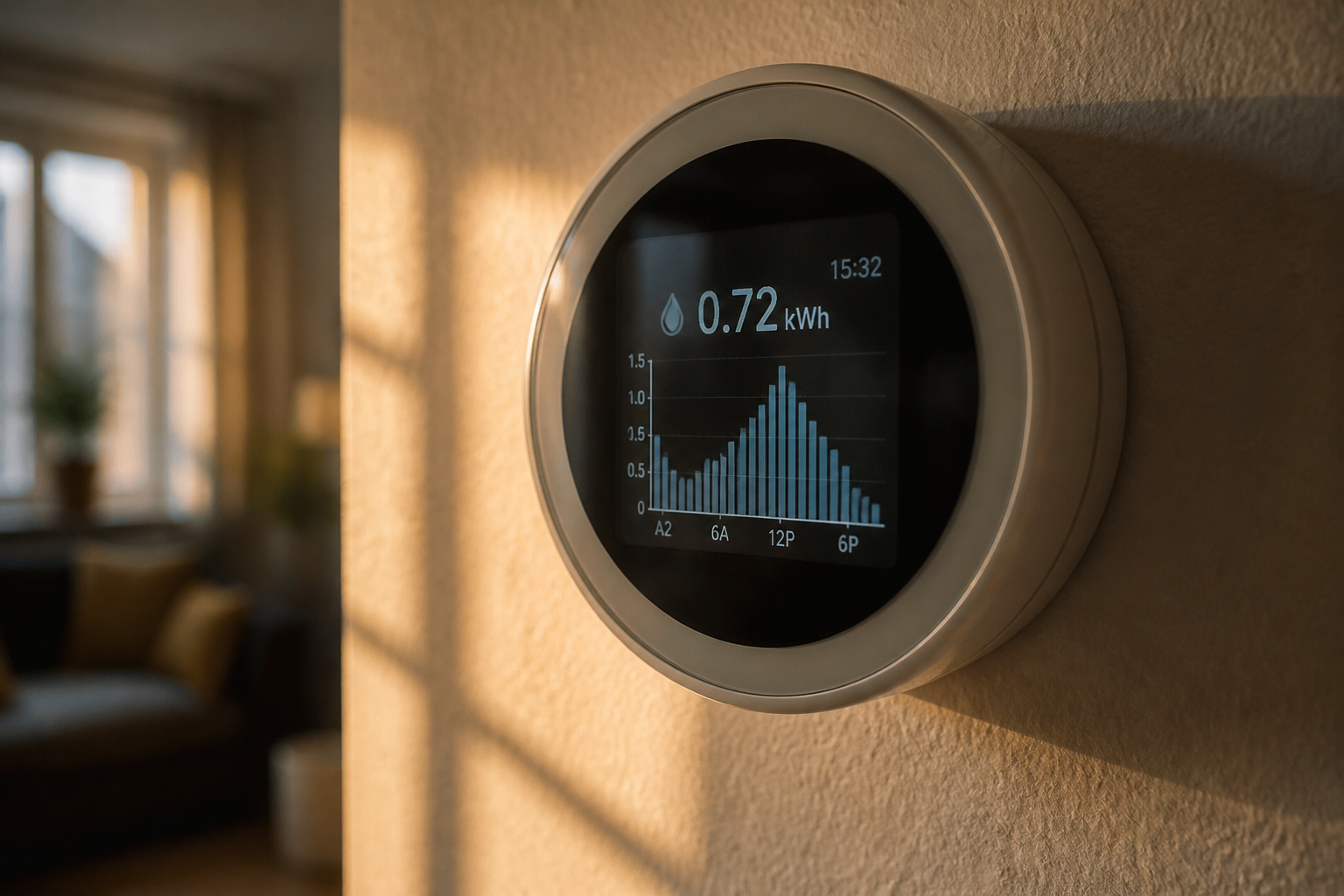
Ongoing monitoring is recommended. Modern heat pumps often include remote monitoring software that alerts you if the flow temperature drifts or if the system cycles too frequently. Consistent performance monitoring ensures that your investment remains efficient and that you are not paying for unnecessary energy waste in the shoulder months of autumn and spring.
Questions people ask
- Can I install a heat pump if my off-grid home has old radiators?
- Yes, but you likely need an audit. Heat pumps operate at lower temperatures, meaning your existing radiators may need to be replaced with larger ones to emit enough heat. Consult a professional to assess your specific heat loss and emitter output before committing, as mentioned in The Heat Pump Scheme guidance.
- How do I calculate if a heat pump is cheaper than heating oil?
- Do not rely on current oil prices alone. Consider the long-term volatility of heating oil and the efficiency of a heat pump. Perform a full room-by-room heat loss survey and calculate the annual kilowatt-hour demand for your home. Compare this against your electricity tariff and potential savings from The Solar Scheme.
- Will government subsidy changes affect my heat pump installation?
- It is possible. As the government reviews the Boiler Upgrade Scheme, do not treat grants as guaranteed. Build your financial plan on the total cost of installation. Keep updated with our latest blog entries to track policy shifts and ensure your budgeting remains realistic if subsidies are adjusted or reduced.
- What is the biggest risk when moving from fossil fuels to heat pumps?
- The biggest risk is failing to insulate your home first. A heat pump must be sized correctly for your building's specific thermal retention. If you install a pump in a drafty home, you will face high electricity bills. Always prioritise fabric upgrades through The Net Zero Home Scheme to ensure the system performs efficiently.
Keep reading

electricity grid capacity management
How DNOs manage residential grid capacity

domestic heat pump technology
Debunking common myths about domestic heat pump heating

green installer workforce standards
Finding a reliable green technology installer

electric vehicle fleet policy
Managing financial risks of electric car fleet transition

electric vehicle market analysis
Analysing UK electric vehicle adoption numbers

electric vehicle adoption guide
Steps to choosing an electric car for personal use

electric vehicle fleet policy
Impact of updated ZEV mandate targets on fleet planning

Employee financial wellbeing
Supporting employee financial resilience

Employee reward strategy design