

EV charging grant guidance
Accessing electric vehicle charging grants
A practical guide for payroll and operations teams on current EV charging funding and infrastructure support for homes and workplaces.
 Thom GrootCEO and Co-Founder
5 min readUpdated
What matters here
- Residential grants provide up to 75 percent off costs for renters and flat owners.
- The Depot Charging Scheme offers significant support for commercial infrastructure.
- Public charging costs are falling for drivers using lower-powered local chargers.
In short
Government grants assist with EV charging costs through specific channels. Residents in flats, rented properties, or those with on-street parking can receive up to 500 pounds per socket towards installation. For businesses, the upcoming Depot Charging Scheme provides funds for fleet infrastructure, while state-funded schools can access enhanced support. These initiatives aim to reduce barriers to electric vehicle adoption.
Understanding the current landscape of charger funding
Infrastructure remains the primary logistical consideration for any organisation supporting the transition to electric vehicles. Recent policy updates have refined how funding is allocated, with specific support now available for domestic settings, educational institutions, and commercial depots. These grants aim to address the cost barriers that previously discouraged households and businesses from installing dedicated charging points.
As payroll and operations managers evaluate the support provided to employees, distinguishing between these funding streams is essential. The government continues to adjust these financial levers to maintain momentum in the adoption of electric vehicles. Understanding where these funds are applied allows for better internal communication regarding how employees can access The Electric Car Scheme or manage their home charging requirements.
The broader context of these grants is aligned with national decarbonisation targets. Employers should note that while grants offset capital expenditure, they do not cover ongoing electricity tariffs. Aligning internal benefit policies with government grants requires a granular understanding of eligibility, as misinterpreting the specific criteria for each scheme can lead to rejected applications and project delays. For further information on integrating these benefits, employees may find relevant insight useful for planning.
Residential grants for renters and flat owners
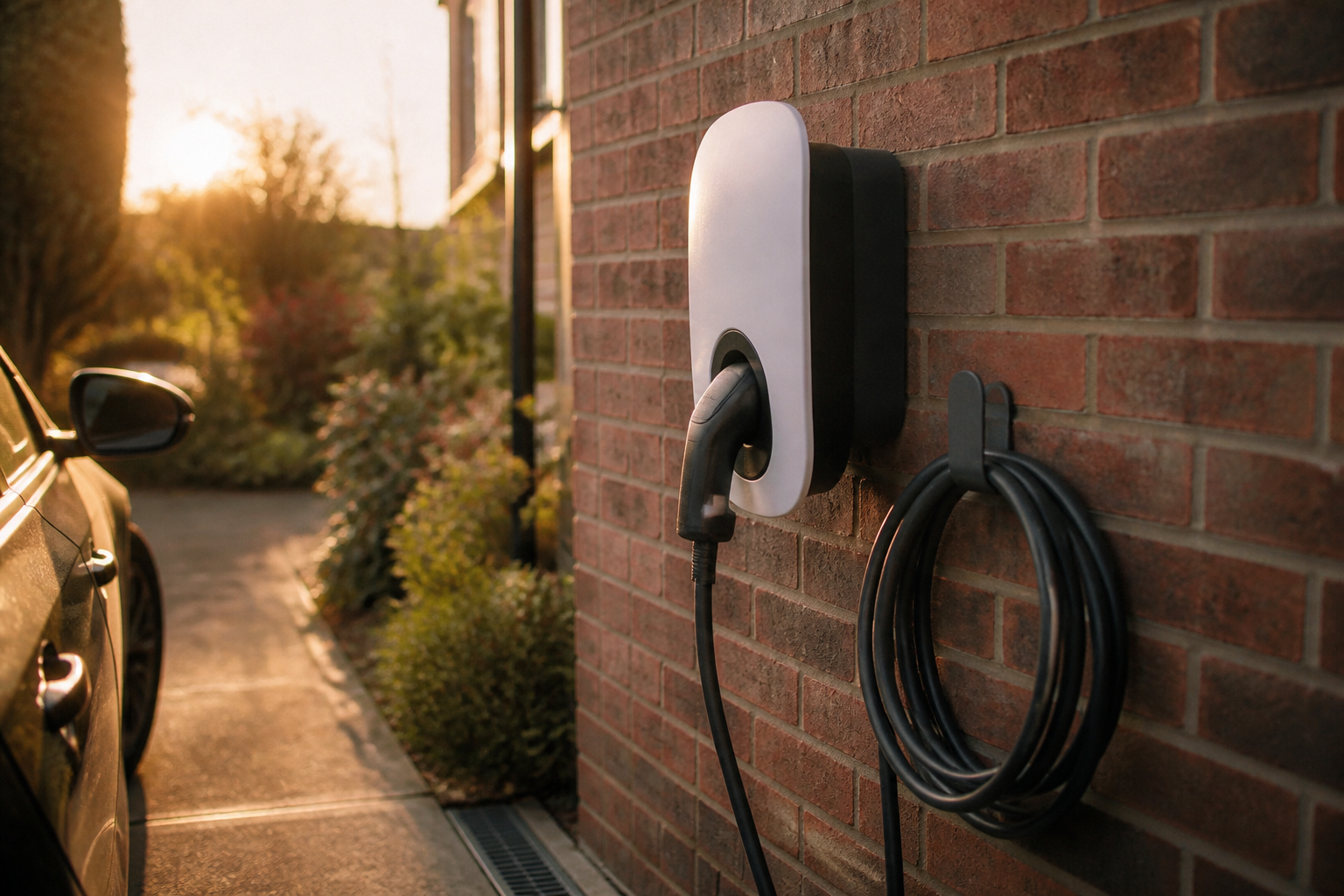
For employees living in flats or rented accommodation, the installation of a dedicated charger often presents a challenge. The EV chargepoint grant provides a mechanism to overcome this. Eligible applicants can receive 75 percent of the cost of purchasing and installing an eligible chargepoint, capped at 500 pounds per socket.
This funding applies to both renters and residential landlords. It ensures that those without off-street driveways or secure parking are not unfairly excluded from the benefits of home charging. The process requires documentation of eligibility, and applications must be managed alongside approved installers who understand the specific requirements set by the government, as noted in the research from Reonic published on 28 September 2026.
To qualify, the applicant must live in a flat or a rental property and own an eligible electric vehicle. The grant is not means-tested, but it is limited to one application per vehicle, and applicants are strictly required to use OZEV-authorised installers. If the installation process encounters financial hurdles, employees might consider Managing household cash flow and unexpected costs to ensure their personal budgets remain stable during the transition.
| Recipient type | Funding coverage | Maximum per socket |
|---|---|---|
| Residential landlord | 75 percent | 500 pounds |
| Renters/Flat owners | 75 percent | 500 pounds |
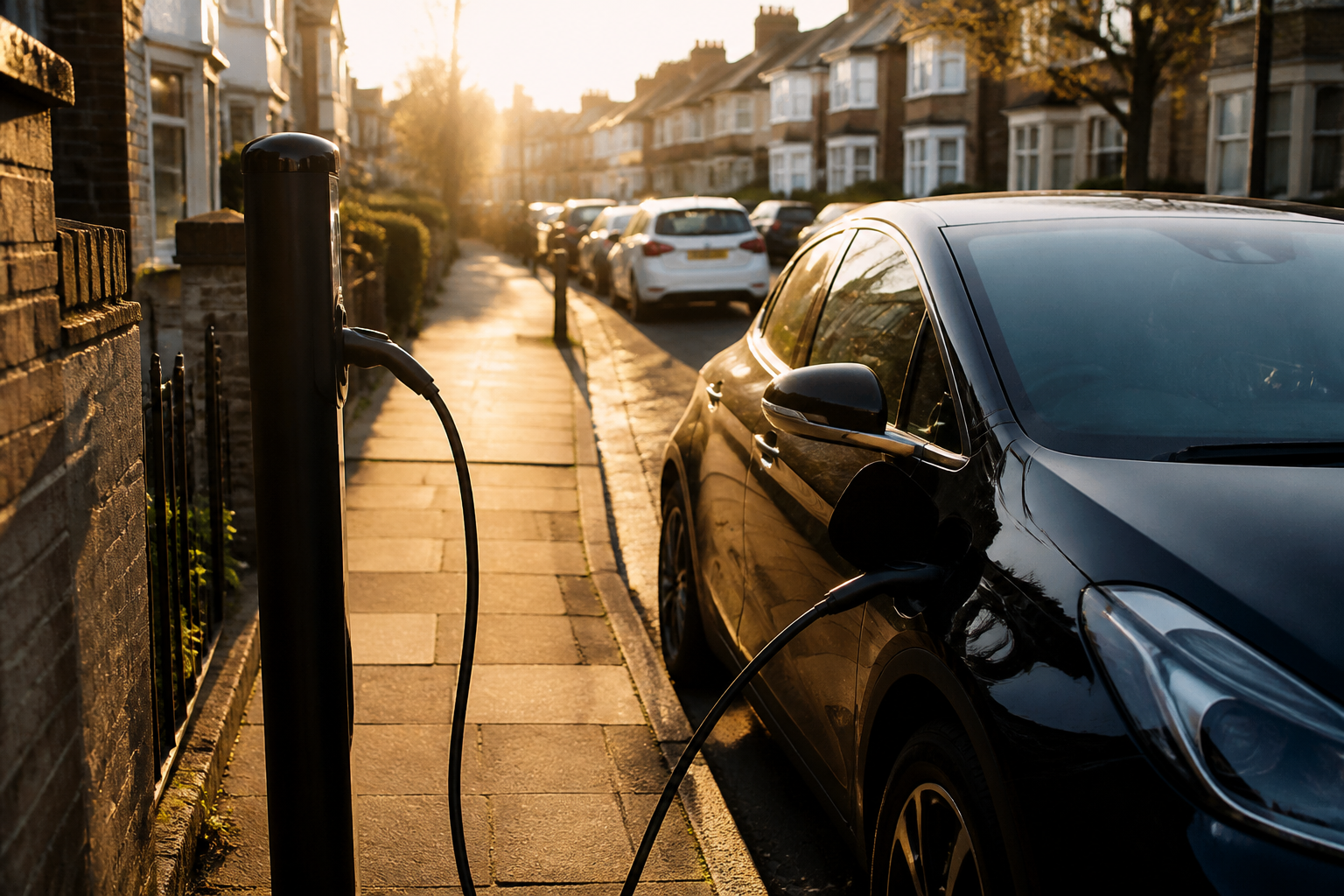
| On-street parking resident | Varies | 500 pounds |
Figures sourced from the EV chargepoint grant schemes 2026.
Commercial and education infrastructure
Businesses and education providers have distinct channels for funding. The Depot Charging Scheme is a major development for fleet operators. With 38 million pounds allocated, the scheme supports the installation of charging infrastructure at depots to facilitate the shift to electric vans and HGVs. This funding covers both the charging hardware and the associated installation works, as detailed by Ratio EV on 28 October 2026.
Schools are also prioritised through enhanced funding. State-funded education institutions can access support of up to 2000 pounds per socket via the Workplace Charging Scheme. This target approach ensures that key public-facing institutions have the capacity to adopt electric fleets and support staff and visitors who make the transition.
Operations teams must ensure that their infrastructure project plans reflect the latest timelines. As highlighted in Practical steps for electric vehicle fleet adoption, the procurement of hardware should be synchronised with grant application approvals. Failure to secure approval before works commence often leads to the loss of grant eligibility, leaving the business liable for the full installation cost.
Changes to public charging costs
Beyond installation grants, the government has focused on the daily running costs for drivers. A recent announcement from HM Treasury confirms that prices at local, lower-powered public chargers will be reduced. This change, effective from 28 October 2026, is estimated to save regular users approximately 150 pounds annually.
This adjustment is a practical measure to ensure that the cost of public charging does not hinder progress. By reducing the financial friction for drivers who lack home charging, the government is signalling a commitment to equitable access. This information is valuable when discussing the viability of electric vehicle adoption for employees who rely on public infrastructure for their The Charge Scheme requirements.
Payroll departments should monitor these price trends to better inform employees who may be hesitant about the total cost of ownership for an EV. Understanding the distinction between rapid motorway charging and local destination charging is vital for realistic employee budgeting.
The government will cut prices at local, lower-powered electric vehicle chargers across Britain, saving drivers who rely on them around 150 pounds a year.
Applying for grants effectively
The application process for any charger grant usually requires pre-approval or the use of OZEV-authorised installers. For payroll managers, guiding employees to legitimate sources of information is safer than offering financial advice. Encouraging employees to check their specific situation against current criteria on government-approved portals ensures they do not face unexpected costs.
It is worth noting that eligibility criteria can evolve. As mentioned in the latest Ratio EV update, the Depot Charging Scheme is expected to open on 28 October 2026. Keeping up to date with these dates is crucial for businesses looking to Scaling installation capacity for green benefits without facing budget shortfalls.
When submitting applications, ensure all technical specifications provided by the manufacturer of the charger are compatible with current OZEV standards. Discrepancies in technical documentation often cause significant processing delays for commercial and residential applicants alike.

| Grant category | Status | Applicable from |
|---|---|---|
| Depot Charging | Opening soon | October 2026 |
| Residential | Active | 2026 |
| Education | Active | 2026 |
Based on 2026 government funding announcements.
Addressing common misconceptions
A common error is assuming that all public charging is expensive or inaccessible. While high-speed motorway chargers serve a specific purpose, the new focus on local, lower-powered chargers provides a more cost-effective daily option for many. Payroll teams can use this insight to help employees feel more confident about Practical steps for electric vehicle fleet adoption.
Another point of confusion involves the interplay between employer-led benefits and personal grants. It is important to clarify that individuals applying for home charging grants do so in their capacity as a resident, which is independent of any salary sacrifice or fleet agreement managed through our schemes.
Finally, some businesses mistakenly believe that solar panel integration is required to qualify for EV grants. While solar can be an excellent way to reduce long-term energy costs, it is not a prerequisite for obtaining the standard EV chargepoint grants discussed here. For those interested in broader energy efficiency, comparing these grants with The Solar Scheme may provide a comprehensive view of total site potential.
Questions people ask
- Can an employee claim the home EV grant if their employer provides a car?
- Yes. The residential EV chargepoint grant is based on your status as a resident or renter, not your employment status. You may apply for the grant regardless of whether your vehicle is leased through a salary sacrifice scheme or owned privately, provided you meet the standard eligibility criteria for home charging installations.
- Are there grants available for installing charging points at rented office spaces?
- Commercial entities can access funding through schemes such as the Workplace Charging Scheme. If you operate from a rented office, you must obtain written permission from your landlord. The grant is designed to support infrastructure installation, and your landlord should be involved in the process to ensure compliance with building and safety regulations.
- What is the difference between the Depot Charging Scheme and the Workplace Charging Scheme?
- The Depot Charging Scheme focuses specifically on large-scale fleet infrastructure for vans and HGVs, with a dedicated multi-million pound budget. The Workplace Charging Scheme is broader, supporting public-facing institutions and businesses by providing vouchers to reduce the upfront cost of chargepoint hardware and installation for staff or fleet use.
- Do I need to be an OZEV-authorised installer to claim these grants?
- Yes. To be eligible for government funding, your installation must be carried out by an installer authorised by the Office for Zero Emission Vehicles (OZEV). These professionals are trained to meet the specific safety and technical standards required by the government to ensure the infrastructure remains reliable and safe for long-term use.
- Does the 500 pound grant cover the total cost of installation?
- The grant covers up to 75 percent of the purchase and installation costs, capped at 500 pounds per socket. You are responsible for any remaining balance. It is advisable to obtain multiple quotes from authorised installers to ensure you receive a competitive rate for the installation works while utilising the grant.
Keep reading

electric vehicle market analysis
Analysing UK electric vehicle adoption numbers

electric vehicle adoption guide
Steps to choosing an electric car for personal use

electric vehicle fleet policy
Impact of updated ZEV mandate targets on fleet planning

electricity grid capacity management
How DNOs manage residential grid capacity

electric vehicle fleet policy
Managing financial risks of electric car fleet transition

Employee financial wellbeing
Supporting employee financial resilience

Employee reward strategy design
Implementing salary sacrifice schemes

domestic heat pump technology
Debunking common myths about domestic heat pump heating

green installer workforce standards